Our Pick: Doctor's Best
Check price →Kanna vs Tianeptine: An Honest, Safety-First Comparison (2026)
One of these is a mild serotonergic botanical. The other is a compound nicknamed "gas station heroin" that can cause genuine addiction. They are not interchangeable, and this page is about harm reduction, not a head-to-head pick.
By Justin Park · ~9 min read · Updated 2026-07-01
★ Top-Rated Kanna Right Now
Best Overall
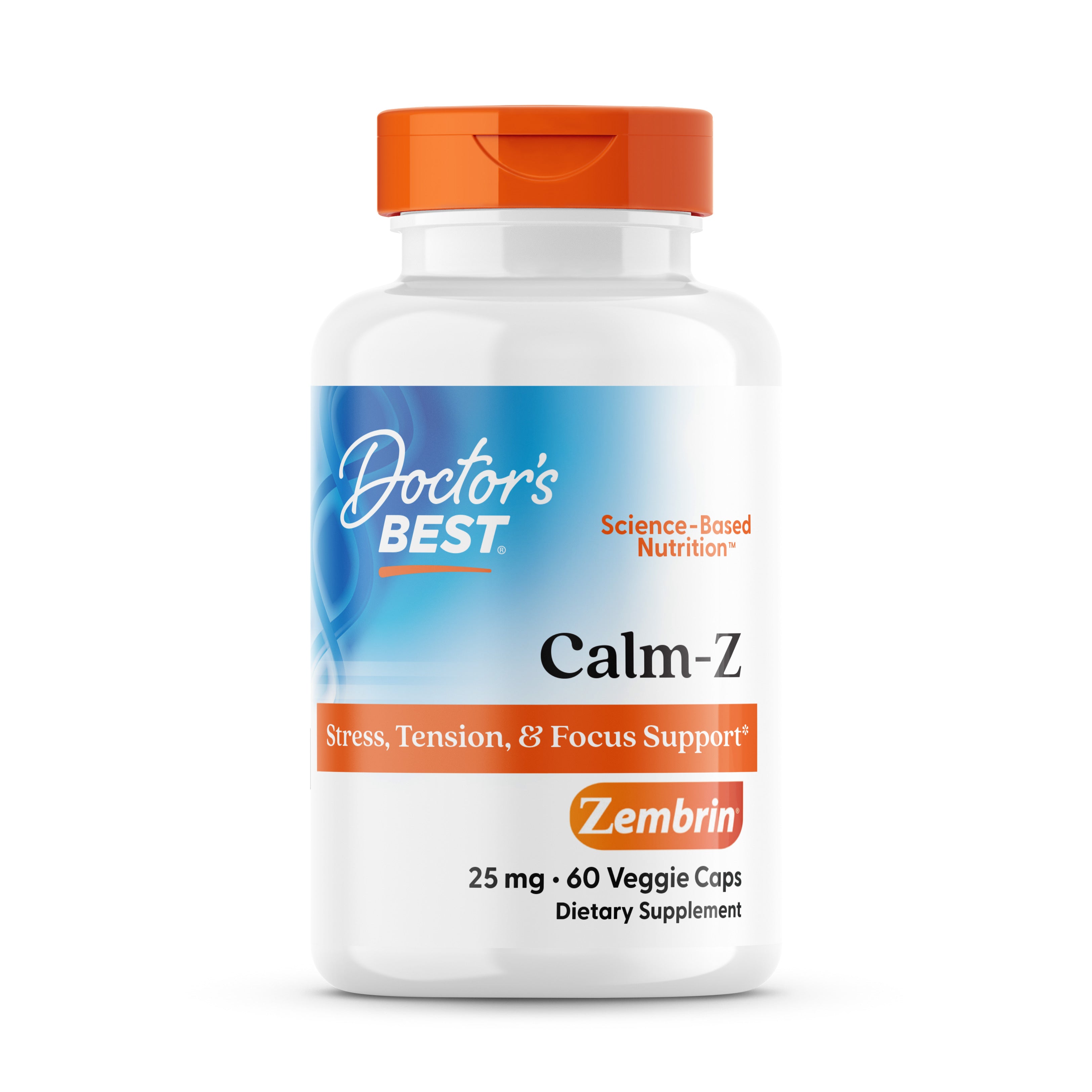
Calm-Z (Zembrin)
Doctor's Best
The one kanna extract with real published human trials behind it, at the studied 25mg dose.
Here's the answer up top, because with these two it's the part that actually matters: kanna and tianeptine are not remotely in the same risk class, and treating them as interchangeable "mood boosters" is the mistake this whole page exists to prevent. Kanna is a mild serotonergic botanical with a subtle mood lift and low dependence potential. Tianeptine is an atypical antidepressant, prescription-only in the countries that approve it, that at high or recreational doses acts on the mu-opioid receptor, which is why misuse causes real addiction, physical dependence, and a genuinely dangerous withdrawal, and why it's been nicknamed "gas station heroin."
So this isn't a "which is better for mood" comparison, because that framing quietly implies they're two options on the same shelf. They're not. Kanna is a gentle, low-risk botanical you can reasonably experiment with using normal supplement caution. Tianeptine misuse is a documented public-health hazard: it's the subject of poison-control warnings, rising exposure calls, and outright bans in a growing list of US states. If you're considering tianeptine for mood, the honest advice is to talk to a doctor, not to buy an unregulated bottle at a gas station or smoke shop.
We'll be balanced but we won't both-sides this. Kanna's evidence base is small and early, and we say so everywhere we cite it. But "small evidence base" is a very different problem from "acts on the opioid system and can get you hooked," and pretending those are comparable downsides would be dishonest. You deserve the real distinction, not a tidy symmetrical table that flattens it.
One bit of housekeeping. This is general information from a kanna publication, not medical advice, and we're writers, not clinicians. Nothing here is a recommendation to use tianeptine, and we deliberately don't provide tianeptine doses or where to get it. If you're struggling with tianeptine use or withdrawal, that's a medical situation, contact your doctor or call Poison Control (1-800-222-1222 in the US); severe withdrawal or overdose is a 911 emergency.
The short version
- Not the same risk class: kanna is a mild serotonergic botanical with low dependence potential; tianeptine at high/recreational doses acts on the mu-opioid receptor and can cause genuine addiction.
- Tianeptine is nicknamed "gas station heroin" for a reason, misuse is tied to dependence, dangerous withdrawal, poison-control warnings, and bans in a growing number of US states.
- Kanna works through a rare dual mechanism, a serotonin-reuptake inhibitor plus a PDE4 inhibitor (Harvey et al., 2011), for a subtle, fairly fast mood lift, not an opioid high.
- The honest verdict: these are not interchangeable. Anyone considering tianeptine for mood should talk to a doctor, not buy it at a gas station.
- Never combine kanna with tianeptine, or with any prescribed antidepressant, you'd be stacking serotonergic and opioid activity, which is exactly the kind of combination to avoid without medical sign-off.
- If it's a gentle, low-risk mood botanical you actually want, that's kanna's lane, and this page points you there. Tianeptine is not a supplement we'd ever steer you toward.
| Kanna (Sceletium tortuosum) | Tianeptine | |
|---|---|---|
| Mechanism | Serotonin-reuptake inhibitor + PDE4 inhibitor (mild serotonergic) | Atypical antidepressant; at high/recreational doses acts on the mu-opioid receptor |
| Risk class | Low-risk botanical supplement | Serious-risk compound; opioid-like activity in misuse |
| Dependence potential | Low; no established dependence syndrome | Genuine addiction, physical dependence, and dangerous withdrawal reported |
| Public-health status | No poison-control warning pattern | Subject of poison-control warnings and rising exposure calls ("gas station heroin") |
| Legality (US) | Legal, uncontrolled botanical supplement | Not FDA-approved; banned in a growing number of US states |
| Who it's for | Someone wanting a gentle, low-risk mood botanical | A medical decision, discuss with a doctor, not a gas-station purchase |
Kanna vs tianeptine at a glance, a mild botanical versus a compound with a documented opioid-receptor risk profile. These are not two flavors of the same thing.
The bottom line: this isn't a "winner" question
Most head-to-heads end with a pick, and readers arrive expecting one. This one is different, because the honest answer is about safety, not superiority. Kanna is a gentle, low-risk botanical; tianeptine misuse is a documented hazard. If what you actually want is a mild, natural mood lift you can experiment with using ordinary supplement caution, that's squarely kanna's lane. Tianeptine is not a supplement we'd ever point you toward, and if you're weighing it for mood, the right move is a conversation with a doctor, not an unregulated bottle off a smoke-shop shelf.
For the fuller kanna picture before you decide, see how kanna works, and if kanna is what you're after, our safety-forward guides on kanna for depression and kanna and antidepressants are the honest place to start.
What kanna actually is (a mild serotonergic botanical)
Kanna (Sceletium tortuosum) is a succulent from South Africa, traditionally chewed for a gentle mood lift. Its pharmacology is well characterized for a botanical. According to Harvey et al. (2011, Journal of Ethnopharmacology), kanna acts through a rare dual mechanism, a serotonin-reuptake inhibitor (SRI), broadly the same lever an SSRI pulls, and a PDE4 inhibitor at the same time. Mesembrine is the most potent serotonin-transporter alkaloid; mesembrenone is the strongest PDE4 inhibitor. That's a serotonergic story, not an opioid one.
The felt experience matches the mechanism: a subtle, fairly fast mood lift with a calm-focus edge, not a euphoric high and not a numbing opioid effect. On the safety side, a 3-month placebo-controlled trial of standardized kanna in 37 adults found both 8mg and 25mg daily doses were well-tolerated, with no significant changes in vitals, ECG, or blood chemistry (Nell et al., 2013). Kanna has no established dependence syndrome, and its side effects are generally mild, occasional headache, nausea (more likely at higher doses), or appetite loss. It is not risk-free, its serotonergic action carries a real drug-interaction caution, but its dependence potential is low.
What tianeptine is, and why it's called "gas station heroin"
Tianeptine is an atypical antidepressant that is a prescription medication in some countries and is not approved by the FDA in the United States. At normal therapeutic doses it behaves like an antidepressant, but the reason it shows up on gas-station and smoke-shop shelves is different: at the high or recreational doses people take when they misuse it, tianeptine acts on the mu-opioid receptor, the same receptor system that opioids act on. That opioid-like activity is exactly why misuse can produce euphoria, and why it can produce dependence.
We deliberately don't provide tianeptine doses or tell you where to get it, because for a compound with this risk profile that information is part of the harm, not part of the help. If you're already using tianeptine and worried about stopping, don't quit cold turkey on your own, opioid-type withdrawal can be severe; that's a medical situation for your doctor, and Poison Control (1-800-222-1222 in the US) can advise. This is the one place in this comparison where the difference between the two isn't a matter of degree, it's a matter of kind.
The safety verdict: never combine them, and don't self-treat with either
Because kanna is serotonergic and tianeptine has both serotonergic and opioid activity, combining them is a bad idea on two axes at once, and there's no upside that justifies it.
The honest framing on kanna's own risk: its serotonin caution is mechanism-based, and documented serotonin-syndrome cases from kanna are essentially absent from the published literature. That's a genuine but modest precaution. Tianeptine's risk is a different animal, it's an opioid-receptor dependence problem with a real body of poison-control and public-health reporting behind it. We won't flatten those two into a symmetrical "both have risks" line, because they aren't symmetrical.
If you're using tianeptine for mood because prescription antidepressants haven't worked for you, that's a real and valid reason to want help, but the answer is a doctor who can look at your situation, not an unregulated bottle. And if the appeal was simply "a natural mood lift I can buy without a prescription," that's the description of kanna, not tianeptine.
These statements have not been evaluated by the FDA. Neither kanna nor tianeptine is intended to diagnose, treat, cure, or prevent any disease, and nothing here is a recommendation to use tianeptine. This is not medical advice, talk to a clinician about your situation.
If kanna is the low-risk option you actually wanted
If reading this made it clear that what you're really after is a gentle, low-risk mood botanical, and not an unregulated opioid-adjacent compound, then kanna is the answer, and two well-disclosed products are easy places to start. For a clean, beginner-friendly calm, Doctor's Best Calm-Z uses 25mg of the clinically-studied Zembrin extract per capsule, the exact standardized dose the research was run on. For a more balanced, faster-arriving experience, KA! Empathogenics Kanna Daily Chews deliver a fixed 30mg standardized dose you chew, so some absorption happens in the mouth and the lift comes on a little quicker.
Both disclose their dose, which is the single most important thing to look for, and neither carries anything like tianeptine's dependence profile. Start low, use one serotonergic thing at a time, and if you take any prescription medication, ask your prescriber or pharmacist first. For the full picture, see our guide to kanna tolerance and our kanna vs 5-HTP comparison on why you don't stack serotonergic things.
How we chose
We compare on mechanism, risk class, dependence potential, legality, and who each is (or isn't) for, drawing on the published kanna literature (mostly on the standardized Zembrin extract) and the well-documented, opioid-receptor-mediated risk profile of tianeptine misuse reported by poison-control centers and public-health agencies. We do not run our own clinical trials; effects are framed experientially, never as medical outcomes.
The kanna human clinical base is small (n=16 to 37, short, mostly on the patented Zembrin extract and partly industry-linked), so we treat its findings as promising rather than settled and say so wherever we cite them. On tianeptine we deliberately provide no dosing or sourcing and frame everything around harm reduction, because the documented downside is dependence, not a thin evidence base.
Questions, answered
Is kanna the same as tianeptine?
No, and it's important not to treat them as interchangeable. Kanna (Sceletium tortuosum) is a mild serotonergic botanical, a serotonin-reuptake inhibitor plus a PDE4 inhibitor (Harvey et al., 2011), with low dependence potential. Tianeptine is an atypical antidepressant that, at high or recreational doses, acts on the mu-opioid receptor, which is why misuse can cause genuine addiction and dangerous withdrawal, and why it's nicknamed "gas station heroin." They're not in the same risk class.
Is tianeptine dangerous?
Tianeptine misuse carries serious documented risks. Because it acts on the mu-opioid receptor at high doses, it's associated with real addiction, physical dependence, and a dangerous withdrawal, and it's been the subject of poison-control warnings and bans in a growing number of US states. It's not FDA-approved in the United States. If you're considering it for mood, talk to a doctor; if you're already struggling with it, that's a medical situation, contact your doctor or Poison Control (1-800-222-1222 in the US).
Can I take kanna and tianeptine together?
No. Kanna is serotonergic and tianeptine has both serotonergic and opioid activity, so combining them stacks risk on two fronts with no upside that would justify it. More broadly, don't combine kanna with any prescribed antidepressant without a clinician's sign-off. If you want a gentle, low-risk mood botanical, that's kanna on its own, not kanna plus an opioid-adjacent compound.
Is kanna a good alternative to tianeptine for mood?
If what you wanted from tianeptine was a natural, non-prescription mood lift, then yes, kanna is the far lower-risk option, and it's the one this site actually covers. But we'd frame it carefully: kanna is a mild botanical with a subtle lift and a small, early evidence base, not a heavy-duty substitute for medical treatment. If you were reaching for tianeptine because prescription options haven't helped, the right next step is a doctor, not a swap to another unregulated bottle.
Why won't you list a tianeptine dose or where to buy it?
Deliberately. For a compound with tianeptine's dependence profile, dosing and sourcing information is part of the harm rather than part of the help, so we don't provide it. Our stance is harm reduction: kanna is a legitimate low-risk botanical we're happy to guide you through, and tianeptine is a medical decision to make with a doctor. If you're already using it and worried about stopping, don't quit cold turkey alone, opioid-type withdrawal can be severe; get medical guidance.
References
The human research on kanna is genuine but small, a handful of trials, mostly on the standardized Zembrin extract. These are the primary sources we cite, linked so you can read them yourself.
- 1.Harvey AL, Young LC, Viljoen AM, Gericke NP (2011). Pharmacological actions of the South African medicinal and functional food plant Sceletium tortuosum and its principal alkaloids. Journal of Ethnopharmacology. Identified kanna's dual mechanism, serotonin-reuptake inhibition (5-HT transporter) and PDE4 inhibition, in vitro. PubMed · DOI
- 2.Nell H, Siebert M, Chellan P, Gericke N (2013). A randomized, double-blind, parallel-group, placebo-controlled trial of Extract Sceletium tortuosum (Zembrin) in healthy adults. Journal of Alternative and Complementary Medicine. A 3-month placebo-controlled trial (n=37) found 8 mg and 25 mg/day were well-tolerated, with no significant changes in vitals or blood chemistry. PubMed · DOI
Keep reading
Kanna and Antidepressants (SSRIs): Is It Safe to Combine?
The flagship serotonin-safety guide, the honest answer, the real risk, and the checklist.
Kanna for Depression: What the Evidence Actually Says
An honest, safety-forward look at kanna and low mood, without the disease claims.
How Kanna Works
The dual mechanism, serotonin reuptake plus PDE4, in plain language.
Kanna Tolerance: Does It Build, and How to Avoid It
Why kanna's dependence potential is low, and how to keep it that way.
Kanna vs 5-HTP: The One Rule That Matters Most
Two serotonin-raisers, and why you don't stack serotonergic things.