Our Pick: Doctor's Best
Check price →Kanna and Antidepressants (SSRIs): Is It Safe to Combine?
Kanna works on serotonin much like an antidepressant does, which is exactly why mixing the two needs care. Here's the honest answer, the real risk, and what to do if you take an SSRI.
By Justin Park · ~10 min read · Updated 2026-06-23
★ Top-Rated Kanna Right Now
Best Overall
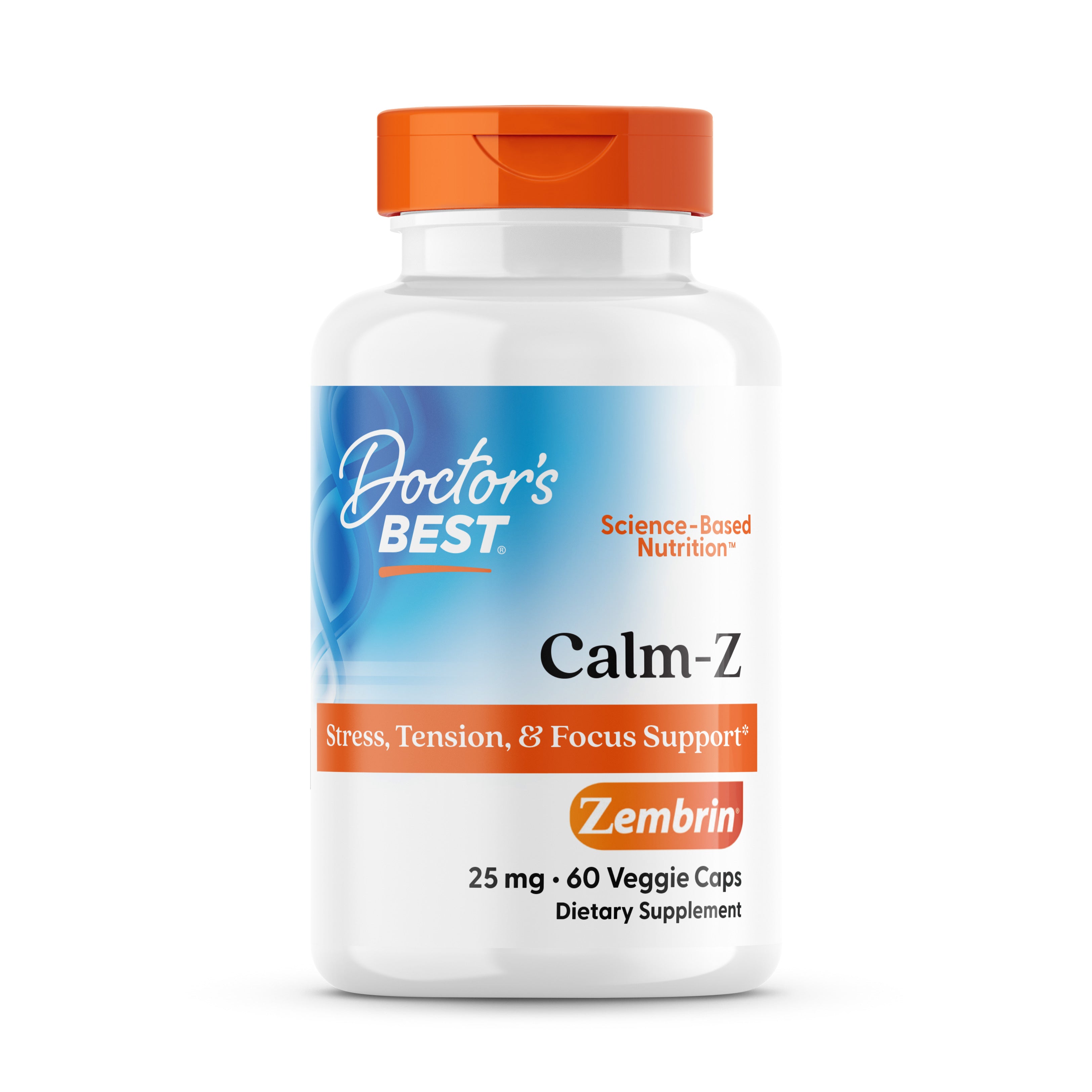
Calm-Z (Zembrin)
Doctor's Best
The one kanna extract with real published human trials behind it, at the studied 25mg dose.
Here's the honest answer up top: if you take an antidepressant, you should not add kanna on your own. Kanna raises serotonin in the brain much the same way an SSRI does, so putting the two together can push serotonin activity too high, and that's the setup for a problem called serotonin syndrome. The safe, simple move is to talk to the doctor or pharmacist who manages your medication before you try kanna. Not because kanna is evil, but because this specific combination is one where a free, two-minute conversation genuinely protects you.
We want to be straight with you in both directions, because the internet usually isn't. On one hand, this is a real, mechanism-based caution that every reputable source agrees on, and we're not going to wave it away. On the other hand, documented cases of serotonin syndrome caused by kanna are essentially absent from the published medical literature, so this is a sensible precaution based on how kanna works, not a long list of disasters. Both of those things are true at once, and you deserve to hear both.
So this guide does the homework on the part you can actually act on: why kanna overlaps with antidepressants when most supplements don't, what serotonin syndrome is and how you'd recognize it, exactly which medications to flag, and a simple checklist for what to do if you take an SSRI and you're curious about kanna. No fear-mongering, no lectures.
One bit of housekeeping. This is general information from a kanna publication that cares, not medical advice, and we're writers, not doctors or pharmacists, so please never start, stop, or change a dose of anything based on a web page. Talk to your prescriber. If you ever think you're experiencing severe serotonin syndrome (high fever, seizures, a racing or irregular heartbeat), call 911. And if you're struggling with your mental health or in crisis, you can call or text the 988 Suicide & Crisis Lifeline at 988 any time, day or night.
The short version
- Kanna inhibits serotonin reuptake, it's mechanistically SSRI-like, so combining it with an antidepressant can push serotonin too high. The concern is serotonin syndrome.
- Documented serotonin-syndrome cases specifically from kanna are essentially absent in the literature. This is a precaution based on how kanna works, not a record of harm, but it's a precaution every reputable source shares.
- If you take an antidepressant, the safe answer is simple: don't add kanna on your own. Ask the prescriber or pharmacist who manages your meds first.
- MAOIs are the highest-risk combination. SSRIs and SNRIs are the common ones to flag. Other serotonergic drugs count too, tramadol, triptans, St John's Wort, 5-HTP, and dextromethorphan (DXM).
- Know the warning signs: agitation, fast heart rate, sweating, shivering, muscle twitching, and dilated pupils. Severe signs (high fever, seizures, irregular heartbeat) are a medical emergency, call 911.
- Never stop your antidepressant on your own to try kanna. Stopping an SSRI abruptly has its own real risks; that's a prescriber conversation too.
Why kanna is different from most supplements
Most botanical supplements don't share a mechanism with prescription antidepressants. Kanna does, and that's the whole reason this page exists. The active alkaloids in kanna (Sceletium tortuosum), mesembrine chief among them, act as a serotonin-reuptake inhibitor, the same broad mechanism behind SSRIs like sertraline or escitalopram. Kanna also inhibits an enzyme called PDE4. Researchers documented this dual action directly: in a lab study, kanna's alkaloids blocked the serotonin transporter and PDE4 at the same time (Harvey et al., 2011).
That mechanism is a feature, not a bug, it's a big part of why people find kanna gently mood-lifting and calming. But it also means kanna and an antidepressant are, in a simplified sense, pulling on the same lever. Pull on a lever that's already being pulled, and you can overshoot. With serotonin, overshooting has a name.
What serotonin syndrome actually is
Serotonin syndrome is what happens when there's too much serotonin activity in the body, usually because two or more serotonin-raising things are taken together. It runs on a spectrum. Mild cases can look like jitteriness, a faster heartbeat, sweating, shivering, dilated pupils, mild muscle twitching, or an upset stomach. Moderate cases add agitation, muscle rigidity, and a rising temperature. Severe cases, which are rare but genuinely dangerous, can involve a high fever, seizures, and an irregular heartbeat, and they're a medical emergency.
The reassuring part is that mild serotonin syndrome usually settles on its own once the serotonin-raising substances are stopped, and doctors treat it effectively when it's caught. The not-reassuring part is that the severe end is serious, and it can come on within hours of combining the wrong things. That combination of 'usually mild, occasionally severe' is precisely why the medical default is to avoid stacking serotonergic agents rather than test your luck.
If you've combined kanna with an antidepressant and you feel several of those symptoms coming on together, don't tough it out. Stop the kanna, and contact your prescriber, your pharmacist, or Poison Control. If the symptoms are severe, call 911.
How real is the risk with kanna, honestly?
Here's where we refuse to spin it either way. The mechanism is real and measured, kanna inhibits serotonin reuptake, full stop. At the same time, when you go looking for actual published reports of serotonin syndrome caused by kanna, alone or combined with an SSRI, you essentially don't find them. A three-month clinical trial of standardized kanna in healthy adults reported it was well-tolerated with no significant safety problems (Nell et al., 2013), but, importantly, studies like that deliberately exclude people on antidepressants, so they can't tell us what happens in the exact combination this page is about.
So the honest read is: the risk is plausible and mechanism-based, not demonstrated by a pile of case reports. That's a meaningful distinction, and we won't pretend kanna has a body count it doesn't have. But it cuts the other way too, 'no published cases' is not the same as 'proven safe,' especially for a botanical that most doctors have never heard of and that isn't on anyone's interaction-checker radar. When the downside is something as serious as serotonin syndrome, a precaution is warranted even without a long list of incidents. That's why every careful source, including us, lands on the same advice.
The medications to flag
If you take any of the following, treat kanna as a 'ask my prescriber first' situation, not a 'try it and see' one:
SSRIs, sertraline (Zoloft), fluoxetine (Prozac), escitalopram (Lexapro), citalopram (Celexa), paroxetine (Paxil). These are the most commonly prescribed antidepressants and the most common reason people land on this page.
SNRIs, venlafaxine (Effexor), desvenlafaxine (Pristiq), duloxetine (Cymbalta). Same serotonin overlap.
MAOIs, phenelzine (Nardil), tranylcypromine (Parnate), selegiline, isocarboxazid. These are the highest-risk category by a wide margin and are taken seriously with every serotonergic substance, including kanna.
Other serotonergic drugs and supplements, tramadol (a painkiller), triptans for migraine (like sumatriptan), the cough-suppressant dextromethorphan (DXM), lithium, and serotonin-raising supplements like St John's Wort, 5-HTP, and L-tryptophan. Stacking kanna on top of any of these is the same basic concern.
What to do if you take an antidepressant: the checklist
If you take an SSRI or any med above and you're curious about kanna, here's the whole playbook:
- Don't start kanna on your own. This is the single most important line on the page.
- Tell your prescriber or pharmacist that you're considering kanna, and that it's a serotonin-reuptake inhibitor. Ask whether it's safe with your specific medication and dose.
- Don't stop your antidepressant to try kanna. Trading a prescribed treatment for a supplement on your own is its own risk (see the next section).
- If your doctor okays it, still start at the lowest sensible kanna dose, and know the warning signs before you do.
- If you ever feel several serotonin-syndrome symptoms together, stop the kanna and contact your prescriber, pharmacist, or Poison Control. Severe symptoms, high fever, seizures, irregular heartbeat, mean call 911.
That's it. The whole risk becomes manageable the moment the right professional knows kanna is in the picture.
Don't quit your antidepressant to try kanna
We see this question a lot, usually phrased hopefully: 'Could I come off my SSRI and use kanna instead?' Please don't make that call alone. Stopping an antidepressant abruptly can cause antidepressant discontinuation syndrome, dizziness, flu-like feelings, 'brain zaps,' insomnia, and a rebound of the very symptoms you were treating. More importantly, your medication is managing something real, and a botanical supplement with a handful of small studies is not an established replacement for it.
Kanna is not an approved treatment for depression or any other condition, and nothing here should be read as a green light to swap one for the other. If your medication isn't working the way you want, that's a genuinely worthwhile conversation, to have with your prescriber, who can taper you safely if that's the right move and who knows your full history. There's no shame in asking. There's real risk in doing it solo.
If you've already taken them together
First, breathe. If you took a normal dose of kanna with your antidepressant and you feel fine, you're very likely fine, plenty of people have done exactly that without incident, which fits the near-absence of reported cases. This section isn't here to scare you retroactively. It's here so you know what to watch for.
In the hours after combining them, keep an eye out for several of these arriving together: agitation or restlessness, a racing heart, heavy sweating, shivering, muscle twitching or stiffness, dilated pupils, and an unusually high temperature. One mild symptom on its own is usually nothing. A cluster of them building over a short window is the pattern that matters.
Going forward, the move is the same one this whole page keeps coming back to: don't combine them again until the person who manages your medication has signed off.
Questions, answered
Can I take kanna while I'm on an SSRI like Zoloft or Lexapro?
Not without your prescriber's okay. Kanna inhibits serotonin reuptake the same broad way SSRIs do, so combining them can raise serotonin too high, which is the setup for serotonin syndrome. Documented cases from kanna are essentially absent, so this is a mechanism-based precaution rather than a record of harm, but it's one every careful source agrees on. Tell your doctor or pharmacist you're considering kanna and let them advise on your specific medication.
Has anyone actually gotten serotonin syndrome from kanna?
When you search the published medical literature, you essentially don't find reported cases of serotonin syndrome caused by kanna, alone or with an antidepressant. That's reassuring, but it isn't proof of safety, kanna is a niche botanical that most clinicians and interaction-checkers don't track, so absence of reports isn't the same as absence of risk. Because the mechanism is real and the worst-case outcome is serious, the standard advice is still to avoid the combination without medical sign-off.
How would I know if I had serotonin syndrome?
It usually shows up as a cluster of symptoms within hours of combining serotonin-raising substances: agitation, a fast heart rate, sweating, shivering, dilated pupils, and muscle twitching. Mild cases often settle once the cause is stopped. Severe cases, high fever, seizures, an irregular heartbeat, are a medical emergency; call 911. If you notice several symptoms building together after combining kanna with an antidepressant, stop the kanna and contact your prescriber, pharmacist, or Poison Control.
How long after stopping an antidepressant is kanna safe?
There's no single number, because it depends on the drug. Most SSRIs clear within about a week, but fluoxetine (Prozac) has a very long half-life and lingers for weeks. MAOIs require the longest gap, typically several weeks of washout, and are the highest-risk category. This is exactly the kind of timing question to put to your prescriber or pharmacist rather than guess, and you should never stop an antidepressant on your own to make room for kanna.
Can kanna replace my antidepressant?
No. Kanna is a botanical supplement, not an approved treatment for depression, and it has only a small research base. It is not an established substitute for a prescribed antidepressant, and stopping your medication on your own carries real risks, including discontinuation symptoms and a return of what you were treating. If your medication isn't working the way you'd like, raise it with your prescriber, who can adjust or taper safely.
What about kanna with St John's Wort, 5-HTP, or tramadol?
Same concern. St John's Wort, 5-HTP, and L-tryptophan all raise serotonin, and tramadol, triptans, and dextromethorphan (DXM) are serotonergic too. Stacking kanna on top of any of them is the same basic risk as combining it with an SSRI. Treat all of these as 'ask a pharmacist first' combinations rather than mixing them yourself.
References
The human research on kanna is genuine but small, a handful of trials, mostly on the standardized Zembrin extract. These are the primary sources we cite, linked so you can read them yourself.
- 1.Harvey AL, Young LC, Viljoen AM, Gericke NP (2011). Pharmacological actions of the South African medicinal and functional food plant Sceletium tortuosum and its principal alkaloids. Journal of Ethnopharmacology. Identified kanna's dual mechanism, serotonin-reuptake inhibition (5-HT transporter) and PDE4 inhibition, in vitro. PubMed · DOI
- 2.Nell H, Siebert M, Chellan P, Gericke N (2013). A randomized, double-blind, parallel-group, placebo-controlled trial of Extract Sceletium tortuosum (Zembrin) in healthy adults. Journal of Alternative and Complementary Medicine. A 3-month placebo-controlled trial (n=37) found 8 mg and 25 mg/day were well-tolerated, with no significant changes in vitals or blood chemistry. PubMed · DOI
Keep reading
Kanna Side Effects: The Honest Breakdown
What kanna can do at normal and higher doses, and the lines that override the dose.
Kanna Dosage Guide
How much kanna to take by format, and how to find your dose safely.
Kanna Dosage Calculator (free tool)
Pick your format and experience, get a sensible starting dose with the safety rule built in.
How to Take Kanna
Formats, timing, and getting your first dose right.
Kanna for Anxiety: What the Research Shows
The honest, balanced look at kanna and anxiety.