Our Pick: Doctor's Best
Check price →Kanna Vape: Do Vaping Products Actually Work? (2026)
A handful of brands now sell kanna vape liquids and cartridges, and the pitch is a fast, convenient lift. But vaping kanna is a barely-studied, hard-to-dose format we don't recommend as a starting point. Here is the honest breakdown, and the better-understood routes to use instead.
By Justin Park · 8 min · Updated 2026-07-01
★ Top-Rated Kanna Right Now
Best Overall
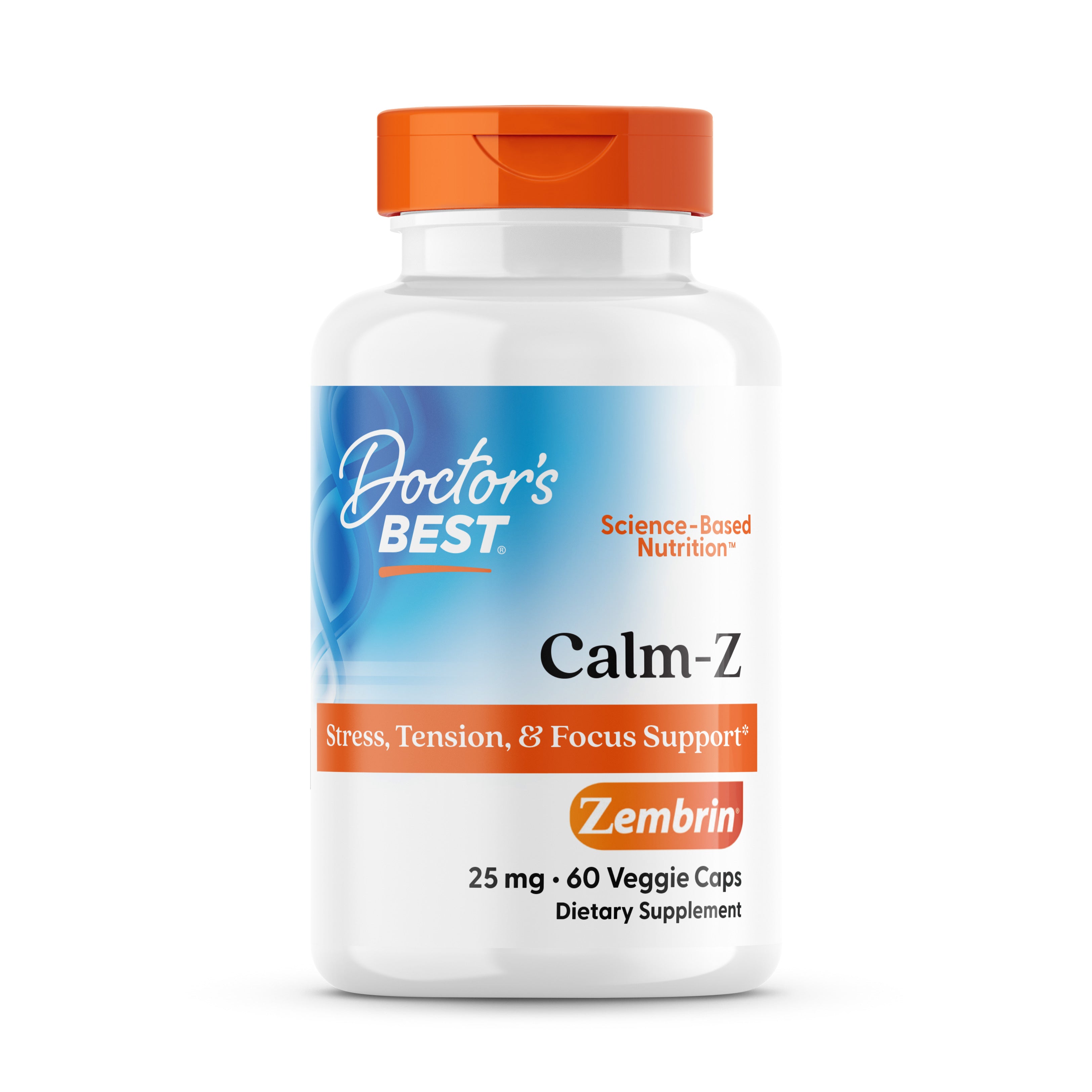
Calm-Z (Zembrin)
Doctor's Best
The one kanna extract with real published human trials behind it, at the studied 25mg dose.
The short, honest answer: kanna vape products do exist, but they are an emerging, niche format we don't recommend, especially not as a starting point. A few brands sell kanna vape liquids and cartridges, and the pitch is always the same, fast onset and grab-and-go convenience. The problem is what sits underneath that pitch: vaporized kanna is barely studied, nobody has established what the heat does to the active alkaloids, the dose per puff is close to impossible to control, and the general unknowns of vaping apply on top of all of it.
So this is not a buying guide to kanna vapes, and we are not going to name or rank a cart, because we don't think this format has earned a recommendation. Instead, this is a straight answer to the question people type, does vaping kanna work and is it safe, followed by the honest reasons the caution outweighs the convenience, and the formats that give you a fast lift you can actually measure and trust.
Housekeeping first: this is general information from a kanna publication that cares, not medical advice, and we are writers, not doctors. Kanna raises serotonin, and that one fact matters more than any device you vape it from, so if you take any medication, read the safety line near the end before anything else.
The short version
- Kanna vape products exist but are an emerging, niche format sold by only a few brands, and we don't recommend them, especially not to start with.
- The pitch is fast onset and convenience. The reality is that vaporized kanna is barely studied, the dose per puff is very imprecise, and you have no reliable idea how much alkaloid you actually absorbed.
- Nobody has established what vaporizing heat does to kanna's active alkaloids like mesembrine and mesembrenone, so you may degrade part of what you paid for.
- The general safety unknowns of vaping (what you're inhaling, additives, carrier liquids, lung effects) apply on top of kanna's own thin evidence base.
- For a fast onset you can actually control, a sublingual tincture or a buccal chew comes on in roughly 15 to 40 minutes without any of the vaping guesswork.
- For a known, repeatable dose, a standardized capsule or chew at ~25mg is the beginner-proof choice, and 25mg is the dose used in the published clinical research.
- Because kanna raises serotonin like an SSRI, do not combine it with SSRIs, SNRIs, MAOIs, or other serotonergic meds without medical advice, and avoid it in pregnancy. This is general information, not medical advice.
Do kanna vape products work? The honest verdict
Kanna vape liquids and cartridges are real, if uncommon, a small number of brands sell them, usually as a kanna extract suspended in a vape carrier and inhaled from a pen or cart. And in the narrow sense that you are delivering some alkaloids through the lungs, a kanna vape will do something. But whether it works in the way that matters, a controlled, repeatable lift, is a different and much less flattering question.
Here is the honest verdict up front: we don't recommend kanna vapes, and we especially don't recommend them as a first way to try kanna. The whole appeal of kanna is a subtle, dose-sensitive effect, and vaping is the single worst route for anything that depends on knowing your dose. You cannot meaningfully measure what a puff delivers, you don't know what the heat did to the alkaloids on the way, and you are layering the open questions of vaping itself on top of a plant whose human evidence base is already small.
Why vaping kanna is barely studied (and why that matters)
The core problem with a kanna vape is not that someone proved it's dangerous, it's that essentially nobody has studied it at all. The published human research on kanna, small as it is, was done on swallowed standardized extract, not on anything vaporized. So when a brand sells a kanna vape, there is no clinical work behind that specific route, no pharmacokinetics telling you how much of an inhaled puff reaches your bloodstream, and no safety data on inhaling a kanna extract over time.
That is a meaningful gap, because the evidence that makes kanna interesting is dose-specific. In a 2013 brain-imaging study (Terburg et al., Neuropsychopharmacology, n=16), a single 25mg dose of standardized kanna extract measurably reduced amygdala reactivity to fearful faces, a biological correlate of the calmer feeling users describe. And a 3-month placebo-controlled trial in 37 adults found both 8mg and 25mg daily doses well-tolerated, with no significant changes in vitals or blood chemistry (Nell et al., 2013). Notice what those findings have in common: a known, measured dose. A vape gives you the one thing that research depended on least, an unmeasurable one.
Supplement note: kanna is sold as a botanical supplement. These statements have not been evaluated by the FDA, and kanna is not intended to diagnose, treat, cure, or prevent any disease.
What heat does to the alkaloids (nobody really knows)
Kanna's effects come from a small set of alkaloids, chiefly mesembrine, the most potent serotonin-transporter compound, and mesembrenone, the strongest PDE4 inhibitor. Those two compounds and the dual mechanism they create (a serotonin-reuptake inhibitor and a PDE4 inhibitor at once, Harvey et al., 2011, J Ethnopharmacol) are what make kanna pharmacologically distinct from kava, CBD, and kratom.
Here is the catch: those alkaloids are not indestructible, and heating them to vaporization temperature is a chemical event, not a neutral one. Nobody has published a clean answer to what vaping heat actually does to mesembrine and mesembrenone, whether it delivers them intact, degrades a portion, or changes them into something else. That uncertainty runs in both directions, you might be inhaling less active alkaloid than you think, or inhaling breakdown products nobody has characterized. Either way, you cannot assume the thing arriving in your lungs is the same well-behaved molecule the oral studies looked at.
The dosing problem: a puff is not a dose
Even setting the chemistry aside, a kanna vape fails on the most basic practical grounds: you cannot dose it. With a swallowed 25mg capsule you know exactly what you took. With a vape, the amount of alkaloid in a single puff depends on the extract's concentration, the device's temperature, how long and hard you draw, and how much simply escapes into the air. Two puffs are rarely the same, and there is no honest way to translate a cartridge into milligrams.
That matters more for kanna than for most things you might vape, because kanna is genuinely dose-sensitive, users and traditional accounts describe it as more uplifting at lower doses and more calming as the dose climbs. A format you can't measure is a format that keeps you guessing about which end of that spectrum you're aiming at. The whole point of a good kanna experience is dialing in a modest, known dose, and a vape structurally can't give you one.
The vaping unknowns stack on top
Everything above is about kanna specifically. But a kanna vape also carries the general open questions that come with inhaling any vaporized liquid, and those don't go away just because the active is botanical. You are inhaling a carrier liquid and whatever additives are in the formulation, and the long-term lung effects of vaping various carriers and extracts are still an unsettled area. When a niche botanical extract is the payload, there is even less oversight and even less data than for mainstream vape products.
So the risks compound rather than cancel: kanna's own thin evidence base, plus the unknowns of what heat does to its alkaloids, plus the unresolved questions about inhalation itself. None of that is a claim that a given product will harm you, it's an honest statement that you'd be an early, largely un-studied test case, for no benefit you couldn't get more safely another way.
Vaping vs smoking kanna: same core problems
If you're weighing a vape against smoking dried kanna, vaping is marginally gentler in one narrow sense, you're inhaling vapor rather than the combustion products of burning plant matter. But that's a small distinction on top of the same core failures: both are imprecise to dose, both apply heat to fragile alkaloids, both are inhalation routes with open safety questions, and neither has meaningful evidence behind it. Choosing a vape over a joint of dried plant is choosing a slightly less harsh version of a route you don't need.
We cover the combustion side in detail in our guide to whether you can smoke kanna, which reaches the same bottom line by a different door: inhaling kanna, in any form, trades the reliability that makes the plant worthwhile for a fast, unmeasurable hit. If you've landed here from that question, the short version is that swapping smoke for vapor doesn't fix the problem that both share.
The smarter fast route: sublingual tinctures and buccal chews
Almost everyone drawn to a kanna vape wants the same thing, to feel it fast. The good news is that inhaling is not the only fast route, and it is not even the best one. Anything you hold in your mouth, a tincture under the tongue (sublingual) or a chew held in the cheek (buccal), lets part of the dose absorb straight through the mouth's tissues, so it comes on in roughly 15 to 40 minutes. That's nearly as quick as any inhaled route, without a single one of the vape's unknowns.
And you keep the two things a vape throws away: a dose you can measure and a route that's actually been used. A tincture is dosed by the drop, so you can titrate a little at a time; a chew is a fixed, pre-measured piece with the bitterness masked by flavor. Our roundup of the best kanna tincture covers the fast sublingual route, and our kanna gum and chew guide covers the fast buccal one. For the full route-by-route breakdown with an onset table, see how to take kanna.
Two easy, returnable examples of that fast oral lane: AkinKanna's sublingual strips dissolve on the tongue with zero hardware, and Organiherbence's 2oz kanna drops give the same fast route with drop-by-drop control for around $23.
If you want the most reliable kanna, take it by mouth
If reliability matters more than raw speed, a swallowed standardized capsule or chew at about 25mg is the beginner-proof choice: a fixed, disclosed dose with nothing to measure, nothing to burn, and nothing to inhale. It comes on slower than a sublingual dose, usually 30 to 60 minutes, but it's the most consistent, and 25mg is the exact dose used in the published clinical research. That's the format we point first-timers to, not because it's exciting, but because it's honest and repeatable.
To see what a sensible dose feels like across formats before you choose, read our guide to what kanna feels like, dose by dose, low-hype. The theme across all of it is the same: kanna rewards a route you can measure, and punishes one you can't.
The one safety rule that travels with every route
Whatever route you're weighing, vaping, smoking, chewing, or swallowing, this rule outranks all of it. The active alkaloids in kanna inhibit serotonin reuptake, so mechanically kanna behaves a lot like an SSRI antidepressant. On its own that's generally fine, but it becomes a genuine risk when kanna is stacked on top of another serotonin-raising drug.
With a vape you're adding inhalation's own open questions on top of that baseline. None of this is medical advice; we are writers, not doctors, and kanna is for adults. If you take prescription medication or have a health condition, talk to a clinician before trying kanna in any form.
Not sure which kanna to try instead?
If this guide talked you out of a kanna vape (good), the easy next step is to match a sensible, measurable format to what you actually want, a fast buccal or sublingual lift, or a steady, measured oral dose. Our kanna finder asks a few quick questions and points you to a starting product, and our how to take kanna guide walks through every route with an onset table.
If you'd rather browse, the best kanna tincture roundup covers the fast sublingual route, and the kanna gum guide covers the fast buccal one, both ranked on disclosed potency and value. No cartridge required.
How we chose
This is an explainer, not a product roundup. We deliberately do not name, rank, or link a specific kanna vape product, because a standardized, well-formulated oral, buccal, or sublingual format is the honest recommendation and vaping is not a format we can responsibly endorse.
Mechanism and dose figures come from the published Zembrin clinical work (25mg/day) plus the ethnobotanical literature, not from our own vaporization, pharmacokinetic, or lung-safety testing, which we do not run. There is essentially no published clinical work on vaporized kanna specifically, so everything here about the vape route is framed conservatively and provisionally. Effects are described experientially, never as medical outcomes.
Questions, answered
Is there such a thing as a kanna vape?
Yes, a small number of brands sell kanna vape liquids and cartridges, usually a kanna extract in a vape carrier that you inhale from a pen or cart. It's an emerging, niche format, not a mainstream one. But it exists doesn't mean we recommend it: vaporized kanna is barely studied, the dose per puff is very imprecise, and it carries the general unknowns of vaping on top of kanna's already thin evidence base.
Does vaping kanna work?
It does something, because you deliver some alkaloids through the lungs, which is why the onset is fast. But whether it works the way kanna is supposed to, a controlled, repeatable lift, is doubtful: you can't measure the dose in a puff, and nobody has established what vaporizing heat does to the active alkaloids like mesembrine and mesembrenone. Kanna's appeal is a subtle, dose-sensitive effect, and a vape is the worst route for anything that depends on knowing your dose.
Is vaping kanna safe?
Honestly, nobody can say, and that's the problem. There's essentially no published safety research on vaporized kanna specifically, the general lung and additive unknowns of vaping any liquid apply, and it's unclear what the heat does to kanna's alkaloids. On top of all that, the biggest safety point applies to kanna by any route: it raises serotonin like an SSRI, so it must never be combined with SSRIs, SNRIs, MAOIs, or other serotonergic medications without medical advice, and it should be avoided in pregnancy. This is general information, not medical advice.
Is vaping kanna better than smoking it?
Only marginally, and not in a way that matters. Vaping avoids the combustion products of burning plant matter, so it's a little gentler on the throat, but it shares every core problem with smoking: imprecise dosing, heat applied to fragile alkaloids, an inhalation route with open safety questions, and no meaningful evidence behind it. Swapping smoke for vapor doesn't fix the real issue, which is that inhaling kanna throws away the dose control that makes the plant worthwhile.
What's a better way to take kanna than vaping?
For a fast onset without the vaping unknowns, a sublingual tincture or a buccal chew absorbs partly through the mouth and comes on in roughly 15 to 40 minutes, with a dose you can actually control. For a known, repeatable dose, a standardized capsule or chew at about 25mg is the beginner-proof choice, and 25mg is the dose used in the published clinical research. Both give you a route with an actual track record, which a vape doesn't.
References
The human research on kanna is genuine but small, a handful of trials, mostly on the standardized Zembrin extract. These are the primary sources we cite, linked so you can read them yourself.
- 1.Harvey AL, Young LC, Viljoen AM, Gericke NP (2011). Pharmacological actions of the South African medicinal and functional food plant Sceletium tortuosum and its principal alkaloids. Journal of Ethnopharmacology. Identified kanna's dual mechanism, serotonin-reuptake inhibition (5-HT transporter) and PDE4 inhibition, in vitro. PubMed · DOI
- 2.Terburg D, Syal S, Rosenberger LA, et al. (2013). Acute effects of Sceletium tortuosum (Zembrin), a dual 5-HT reuptake and PDE4 inhibitor, in the human amygdala and its connection to the hypothalamus. Neuropsychopharmacology. A single 25 mg dose of standardized extract reduced amygdala reactivity to fearful faces on fMRI (n=16). PubMed · DOI
- 3.Nell H, Siebert M, Chellan P, Gericke N (2013). A randomized, double-blind, parallel-group, placebo-controlled trial of Extract Sceletium tortuosum (Zembrin) in healthy adults. Journal of Alternative and Complementary Medicine. A 3-month placebo-controlled trial (n=37) found 8 mg and 25 mg/day were well-tolerated, with no significant changes in vitals or blood chemistry. PubMed · DOI
Keep reading
Can You Smoke Kanna?
The honest answer on smoking and snuffing kanna, and why inhaling isn't the smart route.
How to Take Kanna
Every route with an onset table, dosing by format, and how to start low safely.
The Best Kanna Tincture
The fast sublingual route, dosed by the drop, ranked on disclosed potency and value.
Kanna Gum and Chews
The fast buccal route, chews and gum you hold in the cheek for a quick, comfortable onset.
What Does Kanna Feel Like?
The honest, low-hype answer on what kanna actually feels like, dose by dose.