Our Pick: Doctor's Best
Check price →Can You Smoke Kanna? The Honest Answer (2026)
Yes, kanna has traditionally been smoked and used as snuff, and some people still smoke or vaporize it today. But it is not the best or most efficient way to take it, and most modern users get more reliable effects from oral, buccal, or sublingual formats. Here is the honest breakdown.
By Justin Park · 8 min · Updated 2026-07-01
★ Top-Rated Kanna Right Now
Best Overall
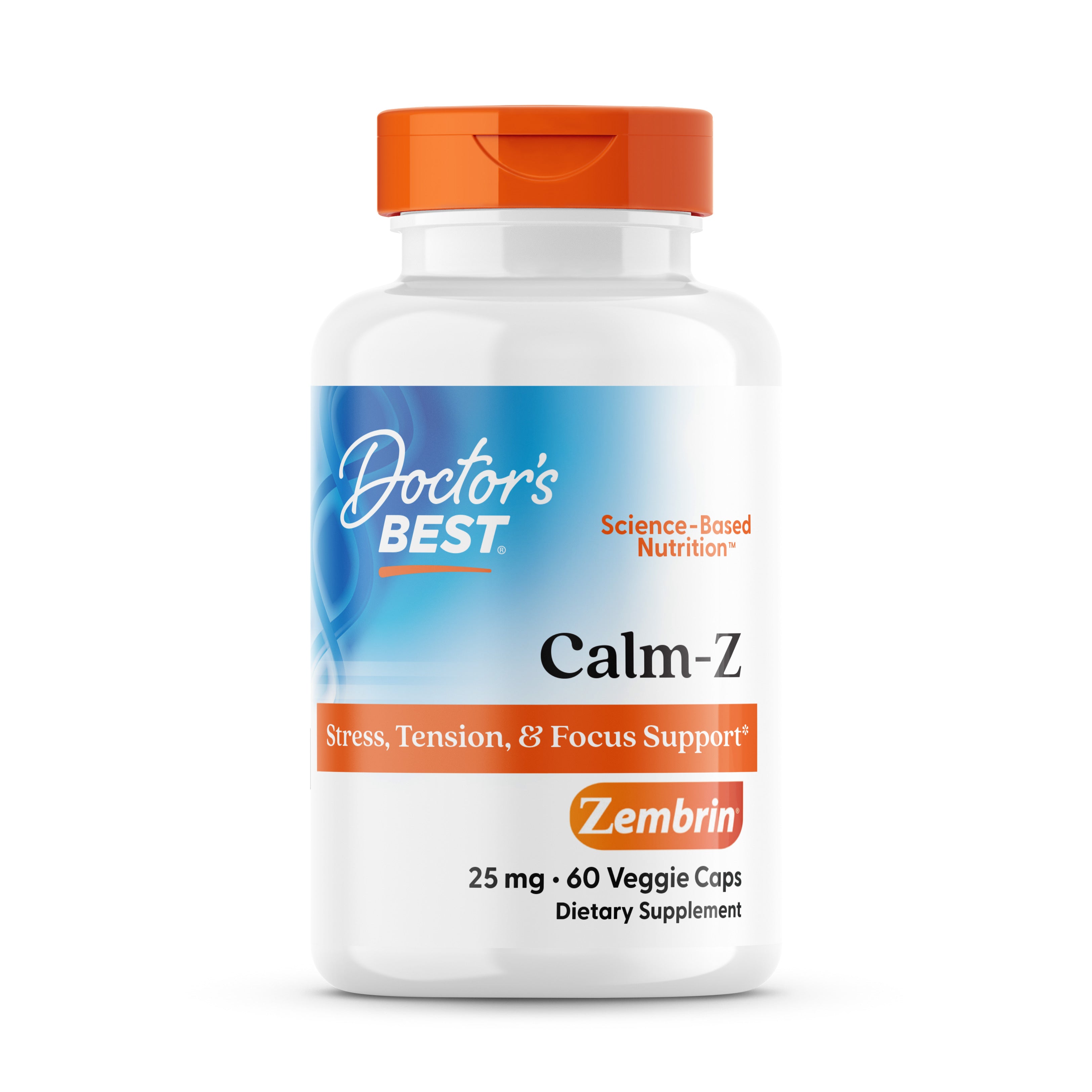
Calm-Z (Zembrin)
Doctor's Best
The one kanna extract with real published human trials behind it, at the studied 25mg dose.
The short, honest answer: yes, you can smoke kanna, and people historically did, but it is not the smart way to take it. Dried Sceletium was smoked and used as a snuff in traditional South African practice, and a minority of modern users still smoke or vaporize it. What almost everyone finds, though, is that smoking kanna is a fast but harsh, short-lived, and hard-to-dose route, and that the oral, buccal, and sublingual formats (capsules, gummies, chews, and tinctures) give a cleaner, more reliable experience.
So this guide is not a how-to for lighting up. It is a straight answer to the question people actually type, can you smoke kanna, followed by the honest reasons most people shouldn't bother. We will cover the real tradition, what smoking a serotonergic plant like kanna actually does, how vaping compares, and why a buccal chew or sublingual tincture gets you almost the same speed without the smoke.
A little housekeeping first: this is general information from a kanna publication that cares, not medical advice, and we are writers, not doctors. If you take any medication, read the safety line near the end before anything else. Kanna raises serotonin, and that one fact matters more than any route you choose.
The short version
- Yes, you can smoke kanna, and it was traditionally smoked and used as a snuff, but it is not the best or most efficient route and we don't recommend it.
- Smoking is fast but short, harsh on the throat and lungs, hard to dose, and the heat may degrade some of the active alkaloids, so you can burn off part of what you paid for.
- Vaporizing is a little gentler than combustion but shares the same core problems: imprecise dosing and no real advantage over oral or sublingual use.
- For a fast onset without the smoke, a buccal chew or a sublingual tincture absorbs partly through the mouth and comes on in roughly 15 to 40 minutes.
- For a known, repeatable dose, a standardized capsule or chew at ~25mg is the beginner-proof choice, 25mg is the dose used in the published clinical research.
- Because kanna raises serotonin like an SSRI, do not combine it with SSRIs, SNRIs, MAOIs, or other serotonergic meds without medical advice, and avoid it in pregnancy. This is general information, not medical advice.
Can you smoke kanna? Yes, but here's the honest verdict
You can smoke kanna, and it will do something, because you are still delivering the plant's alkaloids to your bloodstream. But delivering them through burning plant matter is the least controllable way to take kanna. The onset is fast, which is the one thing smoking has going for it, and then it fades quickly, it is harsh in the throat, and you have no real idea how much you actually absorbed versus how much went up in smoke.
Kanna is not like a plant grown to be smoked. Its whole modern appeal is a subtle, clear-headed lift that you get most reliably from a measured oral or buccal dose. Smoking trades that reliability for a short, rough hit. So the honest verdict is the one most experienced users land on: you can, but there is almost no good reason to.
The tradition: kanna was smoked and used as snuff
The reason people ask this at all is that smoking kanna is not a modern invention. Sceletium tortuosum is a South African succulent that was used for centuries by the San and Khoisan peoples, most famously by chewing or fermenting the plant (a preparation called kougoed, from a root meaning "to chew"). Alongside chewing, dried Sceletium was also smoked, sometimes mixed with other herbs, and used as a snuff (insufflated).
So the tradition is real, and we are not dismissing it. But two honest points matter. First, traditional smoking and snuff were part of a whole cultural practice, not a claim that combustion is the most effective delivery route. Second, most traditional use still centered on chewing the fermented plant and holding it in the mouth, which is, in effect, the buccal route we recommend today. For the deeper botanical and historical picture, see our guide to what kanna feels like.
What smoking kanna actually does (and why it's a poor route)
Here is the mechanics of it, plainly. When you smoke kanna you are heating the plant until its compounds vaporize and combust, then inhaling them. That gets alkaloids into your bloodstream quickly through the lungs, so the onset is fast. But that speed comes with a stack of downsides that make it a poor everyday route:
It's fast but short. Smoked effects tend to arrive quickly and fade quickly, a brief window rather than the gentle couple-of-hours arc people usually want from kanna.
It's harsh. Inhaling hot smoke is irritating to the throat and lungs, full stop. Kanna is bitter and the smoke is not pleasant.
It's very hard to dose. With a swallowed 25mg capsule you know exactly what you took. With a bowl of dried plant, you have no idea how much alkaloid you inhaled versus how much was lost to the air or destroyed by the heat. Kanna's appeal is a subtle, dose-sensitive effect, and smoking throws away the precision that makes it work.
Heat may degrade the alkaloids. The active compounds, mesembrine and mesembrenone among them, are not indestructible. Combustion temperatures can break down part of what you are trying to deliver, so you may burn off some of the very thing you paid for. This is a well-worn caution across smoked botanicals, and there is no good pharmacokinetic study showing smoking is an efficient way to deliver kanna's alkaloids.
Supplement note: kanna is sold as a botanical supplement. These statements have not been evaluated by the FDA, and kanna is not intended to diagnose, treat, cure, or prevent any disease.
Is vaping kanna any better than smoking it?
Vaporizing (heating the plant below combustion so you inhale vapor rather than smoke) is a little gentler on the throat than burning it, because you are not inhaling actual combustion products. In that narrow sense, vaping is the lesser of the two inhaled options.
But it does not fix the real problems. You still can't dose it precisely, the effect is still fast-on and fast-off rather than the smooth arc most people want, and you still have no meaningful evidence that inhalation is an efficient way to deliver kanna's alkaloids compared with taking it by mouth. Choosing vaping over smoking is choosing a slightly less harsh version of a route you don't need. If speed is the whole appeal, a sublingual tincture gets you there more comfortably and with a dose you can actually control.
The smarter fast route: buccal chews and sublingual tinctures
Almost everyone who asks "can you smoke kanna" is really asking "how do I feel it fast." The good news is that inhaling is not the only fast route, and it is not even the best one. Anything you hold in your mouth, a chew or gum held in the cheek (buccal), or a tincture held under the tongue (sublingual), lets part of the dose absorb straight through the mouth's tissues, so it comes on in roughly 15 to 40 minutes. That is nearly as quick as smoking, without any of the smoke.
And you keep the two things smoking throws away: dose control and comfort. A tincture is dosed by the drop, so you can titrate a little at a time; a chew is a fixed, pre-measured piece with the bitterness masked by flavor. Our kanna gum and chew guide covers the buccal options, and our roundup of the best kanna tincture covers the sublingual route. For the full route-by-route breakdown with an onset table, see how to take kanna.
If you want the most reliable kanna, take it by mouth
If reliability matters more than raw speed, a swallowed standardized capsule or chew at about 25mg is the beginner-proof choice: a fixed, disclosed dose with nothing to measure and nothing to burn. It comes on slower than an inhaled or sublingual dose, usually 30 to 60 minutes, but it is the most consistent, and 25mg is the exact dose used in the published clinical research.
There is real science behind why the measured, oral approach is worth it. In a 2013 brain-imaging study (Terburg et al., Neuropsychopharmacology, n=16), a single 25mg dose of standardized kanna extract measurably reduced amygdala reactivity to fearful faces, a biological correlate of the calmer feeling users describe. And the mechanism that makes kanna distinctive, a serotonin-reuptake inhibitor and a PDE4 inhibitor at once (Harvey et al., 2011, J Ethnopharmacol), is dose-sensitive, which is exactly why a route you can measure beats a route you can't. To see what a sensible dose feels like across formats, read our kanna effects guide.
The one safety rule that travels with every route
Whatever route you are weighing, smoking, vaping, chewing, or swallowing, this rule outranks all of it. The active alkaloids in kanna inhibit serotonin reuptake, so mechanically kanna behaves a lot like an SSRI antidepressant. On its own that is generally fine, but it becomes a genuine risk when kanna is stacked on top of another serotonin-raising drug.
Beyond that, smoking and inhaling carry their own throat and lung irritation that oral routes simply don't, another reason the mouth is the better door. None of this is medical advice; we are writers, not doctors, and kanna is for adults. If you take prescription medication or have a health condition, talk to a clinician before trying kanna.
Not sure which kanna to try instead?
If this guide talked you out of smoking kanna (good), the easy next step is to match a sensible format to what you actually want, a fast buccal or sublingual lift, or a steady, measured oral dose. Our kanna finder asks a few quick questions and points you to a starting product, and our how to take kanna guide walks through every route with an onset table.
If you would rather browse, the best kanna tincture roundup covers the fast sublingual route, and the kanna gum guide covers the fast buccal one, both ranked on disclosed potency and value. No lighter required.
How we chose
This is an explainer, not a product roundup. We describe routes and traditional practice, we do not sell a 'smokable kanna' product, because a standardized, well-formulated oral, buccal, or sublingual format is the honest recommendation for almost everyone.
Mechanism and dose figures come from the published Zembrin clinical work (25mg/day) plus the ethnobotanical literature, not from our own pharmacokinetic or combustion testing, which we do not run. The human clinical base is small (n=16 to 37), short, and mostly on one standardized extract, so treat anything here as conservative and provisional. Effects are described experientially, never as medical outcomes.
Questions, answered
Can you smoke kanna?
Yes, you can smoke kanna, and dried Sceletium was traditionally smoked and used as a snuff. But it is not the best or most efficient route: smoking is fast but short-lived, harsh on the throat and lungs, very hard to dose, and the heat may degrade some of the active alkaloids. Most modern users get more reliable effects from oral, buccal, or sublingual formats, so while you can smoke it, we don't recommend it.
Does smoking kanna work, or does the heat destroy it?
It does something, because you still deliver alkaloids to the bloodstream through the lungs, which is why the onset is fast. But combustion heat can break down part of the active alkaloids like mesembrine and mesembrenone, so you may lose some of what you are trying to take, and there is no good study showing smoking is an efficient delivery route. Combined with how hard it is to dose, that makes smoking a poor way to use kanna.
Is vaping kanna better than smoking it?
Vaping is a little gentler on the throat than burning the plant, since you inhale vapor rather than combustion smoke. But it shares the same core problems: you still can't dose it precisely, the effect is still fast-on and fast-off, and there is no real advantage over oral or sublingual use. If you want a fast onset, a sublingual tincture gets you there more comfortably and with a dose you can actually control.
What's the best way to take kanna instead of smoking?
For a fast onset without the smoke, a buccal chew or a sublingual tincture absorbs partly through the mouth and comes on in roughly 15 to 40 minutes. For a known, repeatable dose, a standardized capsule or chew at about 25mg is the beginner-proof choice, and 25mg is the dose used in the published clinical research. Save raw powder and concentrates until you know how kanna affects you.
Is it safe to smoke kanna?
Beyond the general throat and lung irritation that comes with inhaling any smoke, the biggest safety point applies to kanna by any route: it raises serotonin like an SSRI, so it must never be combined with SSRIs, SNRIs, MAOIs, or other serotonergic medications without medical advice, and it should be avoided in pregnancy. This is general information, not medical advice. Given the irritation and the guesswork on top of that, oral, buccal, and sublingual routes are the sensible choices.
References
The human research on kanna is genuine but small, a handful of trials, mostly on the standardized Zembrin extract. These are the primary sources we cite, linked so you can read them yourself.
- 1.Harvey AL, Young LC, Viljoen AM, Gericke NP (2011). Pharmacological actions of the South African medicinal and functional food plant Sceletium tortuosum and its principal alkaloids. Journal of Ethnopharmacology. Identified kanna's dual mechanism, serotonin-reuptake inhibition (5-HT transporter) and PDE4 inhibition, in vitro. PubMed · DOI
- 2.Terburg D, Syal S, Rosenberger LA, et al. (2013). Acute effects of Sceletium tortuosum (Zembrin), a dual 5-HT reuptake and PDE4 inhibitor, in the human amygdala and its connection to the hypothalamus. Neuropsychopharmacology. A single 25 mg dose of standardized extract reduced amygdala reactivity to fearful faces on fMRI (n=16). PubMed · DOI
Keep reading
How to Take Kanna
Every route with an onset table, dosing by format, and how to start low safely.
Kanna Gum and Chews
The fast buccal route, chews and gum you hold in the cheek for a quick, comfortable onset.
The Best Kanna Tincture
The fast sublingual route, dosed by the drop, ranked on disclosed potency and value.
What Does Kanna Feel Like?
The honest, low-hype answer on what kanna actually feels like, dose by dose.
Kanna Effects: What to Expect
The full picture on reported effects, onset, and duration across formats.