Our Pick: Doctor's Best
Check price →Kanna Tea: How to Make It, and Whether It's Worth It (2026)
How to brew kanna as a tea, a real step-by-step method for raw whole-plant or measured powder, plus the honest truth: tea works but it's the gentler, less efficient route, because kanna is traditionally chewed, not steeped.
By Justin Park · 8 min · Updated 2026-07-01
★ Top-Rated Kanna Right Now
Best Overall
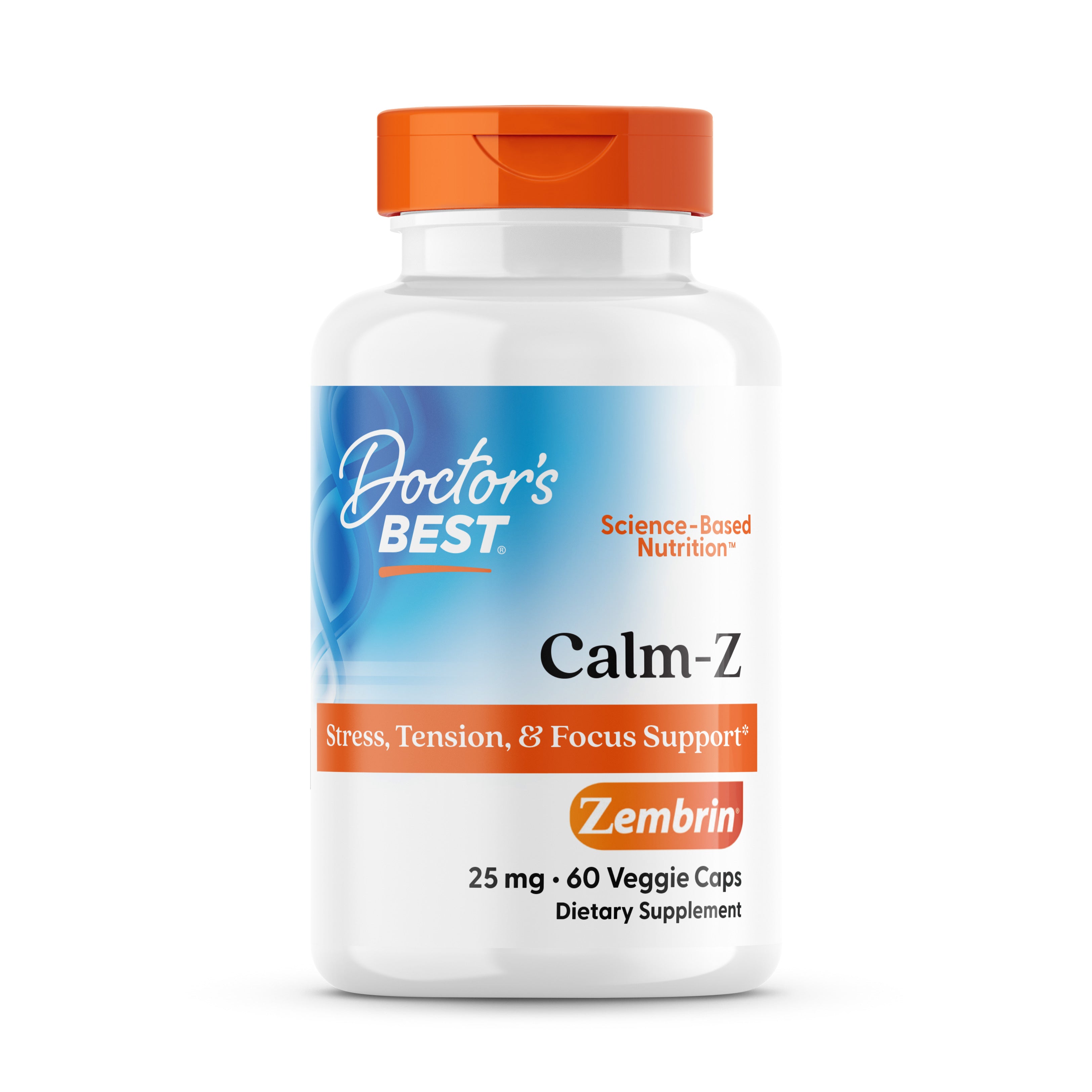
Calm-Z (Zembrin)
Doctor's Best
The one kanna extract with real published human trials behind it, at the studied 25mg dose.
You can make kanna tea, and it works, but it's the gentlest and least efficient way to take the plant. The reason is simple: some of kanna's alkaloids are absorbed best through the lining of the mouth, so the traditional method is to chew or ferment the plant rather than brew it. Swallow it as a hot drink and you lose that direct route, which is why a tea tends to feel milder than the same dose held in the cheek or under the tongue.
If you still want to brew it, this guide gives you a real, measured method: either simmer raw whole-plant material or dissolve a weighed dose of powder into hot water, steep briefly, and start low. We'll cover the taste (bitter and earthy), why a milligram scale matters for raw powder, and how to set honest expectations, because a warm cup of kanna is a pleasant ritual, not a stronger dose.
The short version
- Kanna tea works, but it's the gentler, less efficient route: swallowing it skips the mouth-lining absorption that makes chewing and sublingual use stronger.
- Kanna is traditionally chewed or fermented ("kougoed"), not primarily brewed, the plant's name literally means "to chew."
- A real method: simmer raw whole-plant material (~50 to 200mg dried) or dissolve a weighed powder dose into hot water, steep a few minutes, and start at the low end.
- Weigh raw powder on a milligram scale, kanna's whole-plant range (~50 to 400mg) is wide and imprecise, so eyeballing a spoonful is guesswork.
- Taste is bitter and earthy; a little honey, lemon, or a stronger tea blended in helps, but nothing fully masks it.
- Kanna raises serotonin like an SSRI, so it must not be combined with SSRIs, SNRIs, MAOIs, or other serotonergic medications without medical advice, and should be avoided in pregnancy. This is general information, not medical advice.
Is kanna tea a good way to take it? (the honest answer)
Tea is a legitimate way to take kanna, but if your goal is the strongest, most reliable effect, it's not the route we'd pick first. Here's why. Kanna's active alkaloids, mesembrine chief among them, are absorbed particularly well through the tissues of the mouth. That's the pharmacological reason the plant has been chewed and fermented for centuries rather than brewed: holding it in the mouth (buccal) or under the tongue (sublingual) lets a portion of the dose absorb directly, before anything is swallowed and sent through digestion.
Brew kanna into a tea and you swallow the whole dose, so you give up that direct mouth-lining route. The alkaloids still work, they're water-soluble enough to steep out, but the effect tends to be gentler and to come on a little more slowly than the same amount taken as a chew or a tincture. Think of tea as the mellow, ritual version of kanna, not a way to get more out of it.
How to make kanna tea (a real, measured method)
There are two honest ways to brew kanna, depending on what form you have. With raw whole-plant material (the shredded, dried plant), simmer it gently so the alkaloids steep out. With powder or a concentrate, you don't need to simmer at all, just dissolve a weighed dose into hot (not boiling) water and stir. Boiling water won't destroy kanna the way heat degrades some botanicals, but a gentle simmer or a hot steep is plenty. The full step-by-step is below, but the two rules that matter most: weigh your dose, and start at the bottom of the range.
A squeeze of lemon or a splash of a more acidic juice is a common traditional touch and can make the earthy flavor more palatable. You can also brew kanna straight into a cup of black or herbal tea to hide some of the bitterness. What you should not do is treat a heaping spoonful as "one dose", the whole-plant range is wide and imprecise, so a scale is the difference between a measured cup and a guess. For the format-by-format numbers, see our kanna dosage guide.
What kanna tea tastes like
Plainly: bitter and earthy. Unmasked kanna has a distinctly vegetal, slightly sour bitterness, and a tea concentrates that flavor into a warm liquid you sip slowly. It's not unpleasant to everyone, some people find it grounding, but nobody would call it delicious on its own.
The usual fixes help without fully erasing it: honey or a little sugar to round off the bitterness, lemon for brightness, or brewing the kanna into a strongly flavored tea (ginger, peppermint, chai, a robust black tea) that carries its own character. If taste is your main objection, that's actually a good reason to consider a flavored chew or a gummy instead, our best-tasting kanna guide covers the options that solve the flavor problem entirely.
Raw powder, a scale, and why it matters
If you're brewing from raw whole-plant powder, the single most important tool is a milligram scale. Kanna's whole-plant dose range is genuinely wide and imprecise, roughly 50 to 400mg, and two casual scoops are rarely the same weight. That variability is fine when the plant is gentle and you're staying low, but it becomes a real problem the moment you're working with anything concentrated.
Concentrates change the math completely. A 100:1 extract or a high-mesembrine powder has compressed a great deal of plant into very little material, so a "tea" made from it might need only a few milligrams, far below what any kitchen spoon can measure. Brewing a concentrate is possible, but at that potency you are weighing, not scooping.
Setting honest expectations
Here's the expectation to carry into your first cup: kanna tea is the mild, slow, ritual form of the plant. Because you swallow the whole dose and skip the mouth-lining absorption, a tea generally feels gentler and comes on a touch later than a chew or a sublingual tincture. If you've tried those and found kanna underwhelming as a tea, that's the route, not the plant, and not a reason to keep piling on more powder.
It's also worth remembering how thin the evidence is. The published clinical work studied a fixed 25mg standardized dose taken as a capsule, nobody has run a trial on brewed kanna. So treat any tea recipe as a traditional practice adapted to a modern kitchen, not a validated protocol. If you want the dose with the most research behind it, that's the standardized 25mg capsule, not a cup of tea.
Supplement note: kanna is sold as a botanical supplement. These statements have not been evaluated by the FDA, and kanna is not intended to diagnose, treat, cure, or prevent any disease.
The safety line that applies to every route (tea included)
How you take kanna doesn't change the one precaution that overrides everything else. Because kanna acts on serotonin much like an SSRI does, the headline caution is mechanism-based and applies to a tea exactly as it does to a capsule or a chew:
Side effects are generally mild and more likely at higher doses: headache, nausea, appetite loss, and occasional dizziness or drowsiness. A warm drink on a light stomach is usually gentle, but none of this is medical advice, if you take prescription medication or have a health condition, talk to a clinician before trying kanna. For the bigger picture, start with what kanna is and how it works.
How to make kanna tea
- 1
Rule out interactions first
Before brewing anything, confirm you are not taking an SSRI, SNRI, MAOI, or other serotonergic medication, and that you are not pregnant. If you are on any prescription medication, talk to a clinician first, kanna raises serotonin and shouldn't be combined with serotonergic drugs without medical advice.
- 2
Weigh a low starting dose
Use a milligram scale. For raw whole-plant material, start around 50mg (in the neighborhood of a 25mg standardized dose) and don't exceed roughly 200mg for a gentle cup. For a powder or concentrate, weigh a low dose per the product's own guidance, concentrates need only a few milligrams.
- 3
Heat your water (don't hard-boil)
Bring water to just off the boil, about one cup (240ml). Hot water steeps the alkaloids out fine; a rolling boil isn't necessary.
- 4
Brew or dissolve
For raw whole-plant material, add it to the water and simmer gently for 5 to 10 minutes so the alkaloids steep out. For powder or a concentrate, simply stir your weighed dose into the hot water until dissolved, no simmering needed.
- 5
Strain, flavor, and sip slowly
Strain out any plant material. Kanna is bitter and earthy, so add honey, lemon, or brew it into a strongly flavored tea to make it palatable. Sip slowly rather than gulping, holding each sip briefly in the mouth recovers a little of the buccal absorption you'd otherwise lose.
- 6
Wait before deciding, and adjust on a later day
Give the tea a full 30 to 60 minutes before judging it; a swallowed dose comes on gradually and a tea is the gentler route. If you want a stronger cup, step the dose up modestly on a separate day, never brew a second cup back-to-back.
How we chose
The dose ranges, onset, and absorption notes here come from the standardized-extract specs, the published Zembrin clinical work (25mg/day), and the traditional-use ranges documented in the ethnobotanical literature, not from our own brewing trials or pharmacokinetic testing, which we do not run.
The human clinical base for kanna is small (n=16 to 37), short, and mostly on one standardized extract taken as a capsule, none of it studied tea specifically. So anything about brewed kanna should be read as conservative and provisional, extrapolated from how the plant is absorbed rather than from a trial of the tea itself.
Key terms
- Buccal absorption
- Uptake of a dose through the lining of the cheek and mouth. Kanna's alkaloids absorb well this way, which is why chewing beats brewing, and why a swallowed tea is the gentler route.
- Kougoed
- The traditional South African preparation of Sceletium tortuosum, the plant chewed or fermented (not brewed). The word, like "kanna," relates to chewing.
- Whole-plant (raw) kanna
- Dried, unconcentrated plant material, gentle and forgiving but weak and imprecise, with a wide dose range (~50 to 400mg). The form most suited to a simmered tea.
- Concentrate
- A high-potency extract (e.g. 50:1, 100:1, MT55) where a full dose is only a few milligrams, weigh it on a milligram scale rather than scooping.
Questions, answered
How do you make kanna tea?
Weigh a low dose on a milligram scale (around 50mg of raw whole-plant material to start, up to roughly 200mg for a gentle cup). Bring about a cup of water to just off the boil, then either simmer raw plant material for 5 to 10 minutes or simply stir a weighed powder dose into the hot water until dissolved. Strain, add honey or lemon to soften the bitter, earthy taste, and sip slowly. Wait 30 to 60 minutes before deciding whether you want more, on a later day, not a second cup right away.
Is kanna tea as strong as chewing or a tincture?
No, tea is the gentler route. Some of kanna's alkaloids absorb best through the lining of the mouth, so chewing (buccal) and sublingual tinctures deliver a fuller effect. When you brew kanna and swallow it, you skip that direct absorption, so a tea tends to feel milder and come on a little more slowly than the same dose held in the cheek or under the tongue.
Is kanna traditionally taken as a tea?
Not primarily. Traditionally, Sceletium tortuosum was chewed or fermented (a preparation called "kougoed"), the words "kanna" and "kougoed" relate to chewing. Tea is a modern adaptation. It's a pleasant ritual, but it isn't the traditional method, and it isn't the most efficient way to absorb the plant.
What does kanna tea taste like?
Bitter and earthy. Unmasked kanna has a vegetal, slightly sour bitterness that a tea concentrates. Honey, lemon, or brewing it into a strongly flavored tea (ginger, peppermint, chai, or a robust black tea) all help, but nothing fully erases it. If taste is your main concern, a flavored chew or gummy sidesteps the problem entirely.
How much kanna should I use for tea?
Start low and weigh it. For raw whole-plant material, around 50mg is a sensible starting point (roughly equivalent to a 25mg standardized dose), and a gentle cup usually stays under about 200mg. Concentrates need only a few milligrams, so a milligram scale is essential. This is general information, not medical advice, and kanna should never be combined with SSRIs, SNRIs, MAOIs, or other serotonergic medications without a doctor's guidance.
References
The human research on kanna is genuine but small, a handful of trials, mostly on the standardized Zembrin extract. These are the primary sources we cite, linked so you can read them yourself.
- 1.Harvey AL, Young LC, Viljoen AM, Gericke NP (2011). Pharmacological actions of the South African medicinal and functional food plant Sceletium tortuosum and its principal alkaloids. Journal of Ethnopharmacology. Identified kanna's dual mechanism, serotonin-reuptake inhibition (5-HT transporter) and PDE4 inhibition, in vitro. PubMed · DOI
- 2.Nell H, Siebert M, Chellan P, Gericke N (2013). A randomized, double-blind, parallel-group, placebo-controlled trial of Extract Sceletium tortuosum (Zembrin) in healthy adults. Journal of Alternative and Complementary Medicine. A 3-month placebo-controlled trial (n=37) found 8 mg and 25 mg/day were well-tolerated, with no significant changes in vitals or blood chemistry. PubMed · DOI
Keep reading
How to Take Kanna: Methods, Dosing & Onset
Every route compared, with an onset table, so you can see where tea fits against chews and tinctures.
The Best Kanna Powder You Can Buy
Raw whole-plant and concentrate powders worth buying, the forms you'd actually brew into a tea.
Kanna Dosage Guide: How Much to Take
How much kanna to take by format, with the mg numbers you need to weigh a cup accurately.
What Is Kanna? The Plain-English Guide
What Sceletium tortuosum is, how it works, and why it's traditionally chewed rather than brewed.
The Best-Tasting Kanna
If the bitter, earthy tea flavor is a dealbreaker, the flavored formats that solve it.