Our Pick: Doctor's Best
Check price →What Is Kanna? The Complete Guide to Sceletium tortuosum (2026)
A South African succulent the Khoisan have chewed for centuries, now sold as a mood-lifting botanical, what it is, how it works, the formats, the legality, and the honest state of the evidence.
By Justin Park · 11 min · Updated 2026-06-13
★ Top-Rated Kanna Right Now
Best Overall
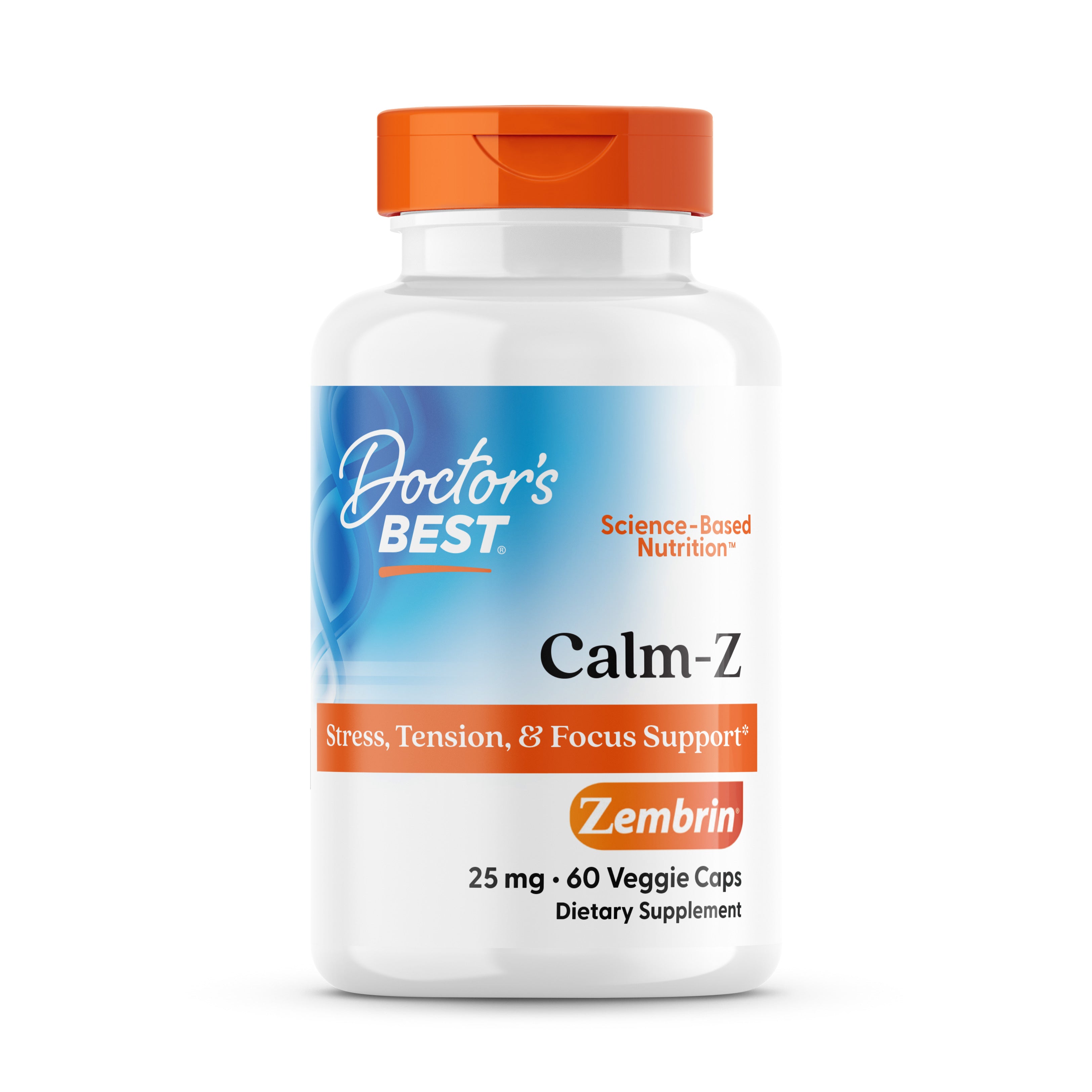
Calm-Z (Zembrin)
Doctor's Best
The one kanna extract with real published human trials behind it, at the studied 25mg dose.
Kanna is a succulent plant, Sceletium tortuosum, native to South Africa, where the Khoisan peoples have chewed and fermented it for centuries to lift mood and ease tension on long journeys. Today it's sold across the US and Europe as a legal botanical supplement in gummies, chews, tinctures, capsules, and powders.
What makes kanna genuinely unusual isn't the marketing; it's the pharmacology. It works through a rare dual mechanism, acting as a serotonin-reuptake inhibitor and a PDE4 inhibitor at the same time, which is what sets it apart from kava, CBD, and kratom. That's the short answer. The rest of this guide is the honest long version: what the plant is, where the tradition comes from, what people actually report feeling, the formats you'll see on a shelf, the legal picture, and, importantly, how thin the human clinical evidence still is.
The short version
- Kanna is Sceletium tortuosum, a succulent in the Aizoaceae family native to South Africa, traditionally chewed and fermented ("kougoed") by the Khoisan, "kanna" and "kougoed" both relate to chewing.
- It works through a dual mechanism (Harvey et al. 2011): a serotonin-reuptake inhibitor (SRI) plus a PDE4 inhibitor, pharmacologically distinct from kava (GABA), CBD (endocannabinoid), and kratom (opioid).
- People commonly report a mild mood lift, lowered stress, easier sociability, and clearer focus; effects are dose-dependent, lower doses tend to feel more uplifting, higher doses more calming.
- The human clinical base is small (studies of n=16 to 37), short, mostly on the patented Zembrin extract, and partly industry-linked. Treat it as promising and early, not settled.
- Because kanna raises serotonin like an SSRI does, it should not be combined with SSRIs, SNRIs, MAOIs, or other serotonergic medications without medical advice, and is best avoided in pregnancy.
What is kanna, botanically?
Kanna is the common name for Sceletium tortuosum, a low-growing, creeping succulent in the Aizoaceae family (the same broad family as the ice plants and "living stones"). It's native to the semi-arid regions of South Africa, particularly the Karoo, where it survives long dry spells by storing water in its fleshy leaves. The genus name Sceletium comes from the skeletal leaf veins that remain visible as the leaves dry, a small botanical detail that gives the plant its look.
You'll see several names used more or less interchangeably: kanna, channa, and kougoed. The last literally relates to chewing, the traditional way the plant is consumed, and that single fact tells you most of what you need to know about how it was historically used.
The Khoisan tradition and kougoed fermentation
Kanna has one of the longest documented histories of any mood-acting botanical. The Khoisan peoples of southern Africa, the San and Khoekhoe, chewed and fermented the plant long before Europeans arrived, using it to blunt hunger, ease tension, and steady the mind on long treks. The plant was first introduced to Europeans around 1662, when Dutch colonial records noted its use.
The traditional preparation is not just raw chewing. The harvested plant is bruised and packed to ferment, a process called making kougoed, which is thought to shift the plant's alkaloid balance and reduce harshness. The fermented material is then dried and chewed, brewed as a tea, or used as a snuff. This is a genuine traditional-knowledge lineage, and any honest account of kanna credits the Khoisan as its source; reputable suppliers increasingly emphasize ethical, community-partnered sourcing for exactly that reason.
How does kanna work? The dual mechanism
This is where kanna earns its reputation. According to Harvey et al. (2011, Journal of Ethnopharmacology), kanna acts through a dual mechanism: it is both a serotonin-reuptake inhibitor (SRI), broadly the same class of action as an SSRI antidepressant, and a PDE4 inhibitor. The active compounds are a group of mesembrine-type alkaloids: mesembrine is the most potent at the serotonin transporter, while mesembrenone is the strongest PDE4 inhibitor.
That combination is why kanna doesn't fit neatly next to the other legal botanicals. Kava works mainly on GABA for relaxation; CBD acts on the endocannabinoid system; kratom hits opioid receptors. Kanna's serotonin-plus-PDE4 profile is its own thing, and it's also the reason for the single most important safety caution below.
What does kanna feel like? Effects people report
Framed experientially, not as medical outcomes, the effects most commonly described are a mild mood lift, a sense of lowered stress or tension, easier sociability and talkativeness, and for some a clearer, more present focus. The experience is usually subtle rather than dramatic; people often describe "the edge coming off" rather than an obvious high.
Effects appear to be dose-dependent: lower doses tend to feel more uplifting and lightly stimulating, while higher doses are more often described as calming or even sedating. This dose-response pattern comes from traditional use and user reports rather than a formal dose-ranging clinical trial, so treat it as a useful rule of thumb, not a proven curve. Onset is roughly 15 to 40 minutes for chewed or sublingual forms and longer for capsules, with effects typically lasting one to three hours.
The formats: gummies, extracts, tinctures, capsules, powders
Kanna is sold in five main formats, and the right one depends mostly on how much control and convenience you want. The table below is a quick map; doses are general guidance, not a prescription.
| Format | Typical dose | Onset | Best for |
|---|---|---|---|
| Gummies / chews | 25 to 30mg standardized extract | ~15 to 45 min | Beginners, fixed, flavored, no measuring |
| Standardized extract capsules | 25 to 50mg (e.g. 25mg Zembrin) | 30 to 60 min | Consistency and a known alkaloid spec |
| Tinctures | Varies by alkaloid % | ~15 to 40 min (sublingual) | Fast onset and flexible dosing |
| Concentrated powders (50:1, 100:1, MT55) | Small, use a mg scale | Varies | Experienced users; potency demands care |
| Raw / shredded whole plant | ~50 to 400mg (imprecise) | Slower | Traditional-style use; least standardized |
As a calibration point, roughly 25mg of Zembrin standardized extract ≈ 50mg of dry raw plant ≈ ~100 to 200µg of total alkaloids. Concentrates like 100:1 powders or high-mesembrine MT55 are far stronger by weight, which is exactly why a milligram scale matters once you leave the pre-dosed gummy/capsule lane.
Is kanna legal?
In the United States, kanna is federally uncontrolled and legal, sold as a botanical dietary supplement. It is not FDA-approved to treat, cure, or prevent anything. It's legal in most other countries as well and is not scheduled under any UN drug convention.
The one frequently-cited exception is Louisiana, which is commonly reported to restrict Sceletium tortuosum to ornamental (non-consumption) use, verify the current statute before relying on that. As always, supplement legality can change, so check your local rules.
Is kanna safe? The honest version
The short answer is that the available evidence is reassuring but limited. A 3-month placebo-controlled trial of standardized kanna in 37 adults (Nell et al. 2013) found both 8mg and 25mg daily doses were well-tolerated, with no significant changes in vitals, ECG, blood chemistry, or weight versus placebo. Reported side effects across studies and user reports are generally mild, headache, nausea (especially at higher doses), appetite loss, and occasional dizziness or drowsiness.
The one caution that genuinely matters: because kanna raises serotonin much as an SSRI does, it should not be combined with SSRIs, SNRIs, MAOIs, or other serotonergic medications without medical advice, and it's best avoided in pregnancy. This is a precaution based on how kanna works, documented serotonin-syndrome cases from kanna are essentially absent, but it's the rule worth taking seriously.
Finally, the broader caveat that runs through everything here: the human clinical base is small (n=16 to 37), short, mostly conducted on the single patented Zembrin extract, and partly industry-linked. Kanna is promising and well-tolerated in the studies we have, but "promising and early" is the accurate description, not "proven." None of this is medical advice; talk to a clinician about your own situation.
Key terms
- Sceletium tortuosum
- The botanical (scientific) name for kanna, a succulent in the Aizoaceae family native to South Africa.
- Kougoed
- The traditional fermented preparation of kanna; the word relates to chewing, the historic mode of use.
- Mesembrine-type alkaloids
- The class of active compounds in kanna, including mesembrine, mesembrenone, mesembrenol and Δ7-mesembrenone.
- Dual mechanism
- Kanna's combined action as a serotonin-reuptake inhibitor (SRI) and a PDE4 inhibitor (Harvey 2011).
- Zembrin
- A patented, standardized Sceletium tortuosum extract used in most of the published human clinical research.
Questions, answered
What is kanna used for?
Kanna is used traditionally and today as a mood-supporting botanical. Users commonly report a mild lift in mood, lowered stress, easier sociability, and clearer focus. These are experiential reports, not medical claims, kanna is not approved to treat, cure, or prevent any condition.
Is kanna a drug or a supplement?
In the US, kanna is sold as a legal botanical dietary supplement and is federally uncontrolled. It is not a scheduled drug and is not FDA-approved as a medicine.
Does kanna get you high?
Not in the conventional sense. Most people describe a subtle mood lift or a sense of the edge coming off rather than an intoxicating high. Effects are dose-dependent, more uplifting at lower doses, more calming at higher ones.
Is kanna safe to take?
A 3-month clinical trial of the standardized extract (Nell 2013) reported it was well-tolerated, and side effects are generally mild. The key caution: kanna raises serotonin, so it must not be combined with SSRIs, SNRIs, MAOIs, or other serotonergic medications without medical advice, and is best avoided in pregnancy. This is not medical advice.
How is kanna different from kava, CBD, or kratom?
The mechanism. Kanna is serotonergic (an SRI) and a PDE4 inhibitor; kava works on GABA, CBD on the endocannabinoid system, and kratom on opioid receptors. That makes kanna a distinct category, with its own benefits and its own SSRI-interaction caution.
References
The human research on kanna is genuine but small, a handful of trials, mostly on the standardized Zembrin extract. These are the primary sources we cite, linked so you can read them yourself.
- 1.Harvey AL, Young LC, Viljoen AM, Gericke NP (2011). Pharmacological actions of the South African medicinal and functional food plant Sceletium tortuosum and its principal alkaloids. Journal of Ethnopharmacology. Identified kanna's dual mechanism, serotonin-reuptake inhibition (5-HT transporter) and PDE4 inhibition, in vitro. PubMed · DOI
- 2.Nell H, Siebert M, Chellan P, Gericke N (2013). A randomized, double-blind, parallel-group, placebo-controlled trial of Extract Sceletium tortuosum (Zembrin) in healthy adults. Journal of Alternative and Complementary Medicine. A 3-month placebo-controlled trial (n=37) found 8 mg and 25 mg/day were well-tolerated, with no significant changes in vitals or blood chemistry. PubMed · DOI
Keep reading
Sceletium tortuosum: The Science of Kanna
The deep dive on the alkaloids, the mechanism, and every human study.
Kanna Effects: What It Actually Feels Like
Onset, duration, the dose-dependent uplift-to-calm curve, and what users report.
Kanna Dosage Guide
How much kanna to take by format, and how to find your dose safely.
The Best Kanna You Can Buy Right Now
Our overall top picks across every format.