Our Pick: Doctor's Best
Check price →Kanna vs Phenibut: Two Very Different Risk Classes (2026)
Both get reached for to take the edge off anxiety and loosen up socially, but they are not remotely in the same safety league. Kanna is a gentle, low-dependence botanical; phenibut is a powerful synthetic that carries real tolerance, dependence, and withdrawal risk.
By Justin Park · ~9 min read · Updated 2026-07-01
★ Top-Rated Kanna Right Now
Best Overall
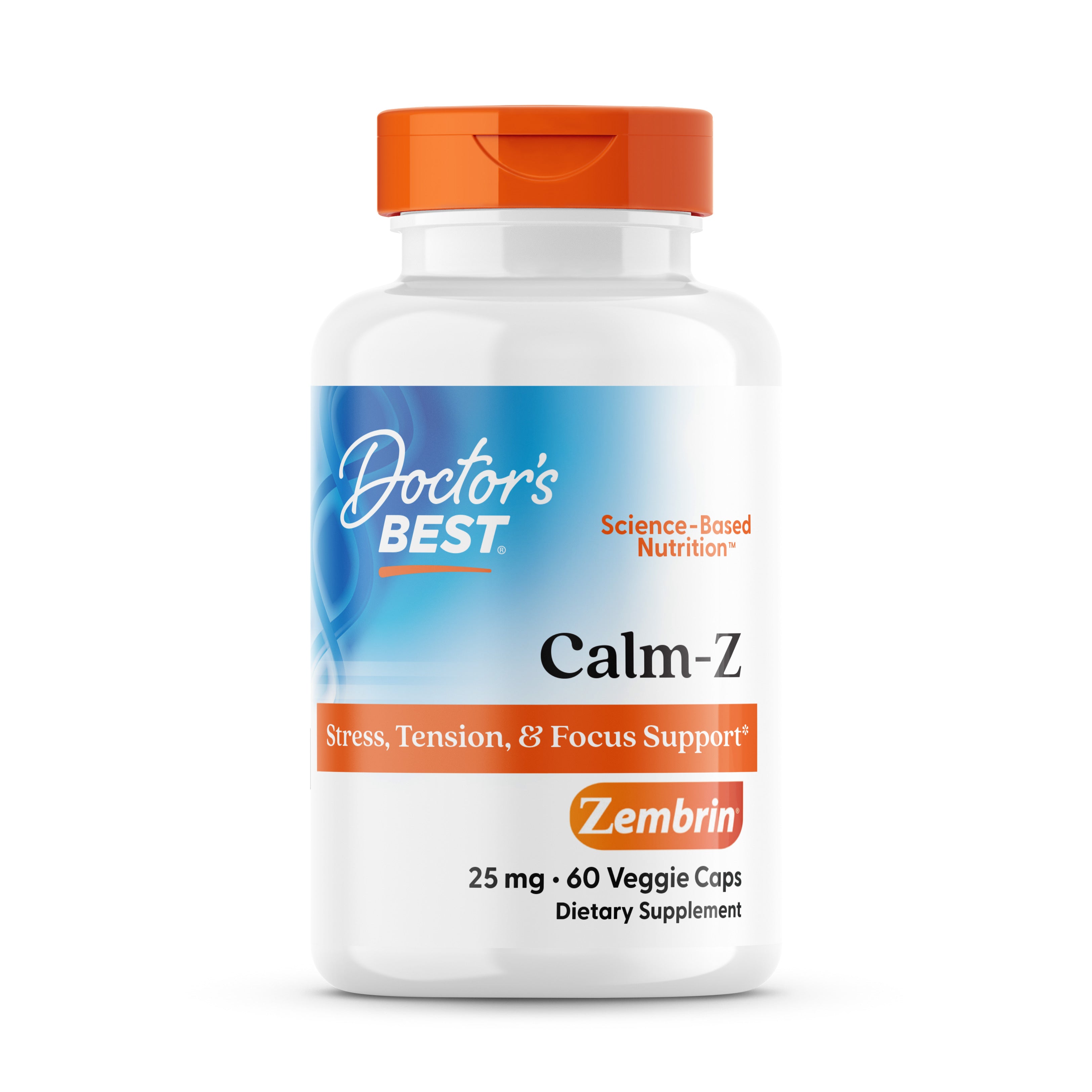
Calm-Z (Zembrin)
Doctor's Best
The one kanna extract with real published human trials behind it, at the studied 25mg dose.
Here is the answer up top, because it is the one that matters: for most people who want a gentle, low-risk daily option for anxiety or social ease, kanna is the far safer choice. Phenibut can be genuinely effective for anxiety, but it belongs to a different risk class entirely, it carries real, well-documented tolerance, dependence, and withdrawal problems, so it is not something to use casually or daily. This is not a close call on safety, and we are not going to pretend it is.
The two feel like they should be comparable because people use them for overlapping reasons: a calmer head, less social friction, an easier time in a room full of people. But the machinery underneath is completely different. Kanna is a botanical (Sceletium tortuosum) that works mainly on serotonin, a serotonin-reuptake inhibitor plus a PDE4 inhibitor (Harvey et al., 2011). Phenibut is a synthetic compound that acts as a GABA-B agonist, broadly the same calming system that alcohol and certain sedatives touch, which is exactly why it is powerful and exactly why it can create dependence.
We want to be straight in both directions. Kanna's effect is subtle, some people find it too subtle, and its evidence base is small. Phenibut is stronger and more noticeably anti-anxiety for many people. But "stronger" is not "better" when the stronger option comes with a documented withdrawal syndrome. So this comparison is less "which wins" and more "understand what you are actually reaching for," because the honest recommendation for a low-risk, everyday tool points clearly at kanna.
One bit of housekeeping. This is general information from a kanna publication, not medical advice, and we are writers, not clinicians. We do not give phenibut dosing here and we are not encouraging phenibut use. If you take any prescription medication, or you are already using phenibut, talk to a clinician or pharmacist before changing anything.
The short version
- Different risk classes, not just different products: kanna is a gentle, low-dependence botanical; phenibut is a powerful synthetic GABA-B agonist with real tolerance, dependence, and withdrawal risk.
- The honest verdict: for a gentle, low-risk daily option for anxiety or social ease, kanna is the far safer choice. Phenibut should not be used casually or daily.
- Mechanisms differ completely: kanna is a serotonin-reuptake inhibitor plus PDE4 inhibitor (Harvey 2011); phenibut is a GABA-B agonist (the same broad calming system alcohol and sedatives touch).
- Phenibut is genuinely effective for anxiety for many people, but that effectiveness and its dependence potential come from the same GABA mechanism, which is why tolerance can build fast.
- Phenibut is not approved as a dietary supplement in many places (the FDA has said it does not qualify as one), while kanna is a legal, uncontrolled botanical supplement in the US.
- Kanna's own safety caution is different in kind: it raises serotonin like an SSRI, so it should not be combined with SSRIs, SNRIs, MAOIs, or other serotonergic meds without medical advice, and it is not recommended in pregnancy.
| Kanna (Sceletium tortuosum) | Phenibut (synthetic) | |
|---|---|---|
| Mechanism | Serotonin-reuptake inhibitor + PDE4 inhibitor (botanical) | GABA-B agonist (synthetic; broad calming system) |
| Feel | Subtle, brighter mood lift, calm focus, mild social ease | Stronger, more overtly anti-anxiety and disinhibiting |
| Dependence risk | Low; no established dependence signal in the literature | Real and well-documented; tolerance, dependence, and withdrawal |
| Evidence | Small but real human trials (n=16 to 37), mostly Zembrin | Effective for anxiety per reports, but defined by its risk record |
| Legal / supplement status (US) | Legal, uncontrolled botanical supplement | Not an approved dietary supplement; the FDA has said so |
| Best for | A gentle, low-risk daily calm and social ease | Not a casual or daily tool; higher-risk, use only with real caution |
Kanna vs phenibut at a glance, similar reasons people reach for them, very different risk classes.
The bottom line: safer everyday tool vs powerful, higher-risk compound
Most head-to-heads split the difference. This one does not, because the safety gap is too large to hedge. If you want a gentle, low-risk thing to take the edge off day to day, kanna is the clear pick. Its effect is subtle, its dependence potential is low, and it is a legal botanical supplement. Phenibut is a powerful, higher-risk compound. It can genuinely help anxiety, but it carries real tolerance, dependence, and withdrawal risk, so it is not something to lean on casually, and definitely not daily.
We are not here to talk anyone into phenibut, and we do not provide phenibut dosing. If you are weighing the two for anxiety or social ease, the low-risk direction is kanna. For the fuller picture before you decide, see how kanna works and, if social settings are the specific reason, kanna for anxiety.
How each one works (and why the risk classes differ)
The dependence gap is easiest to understand once you see the two mechanisms side by side, because they touch completely different systems.
Kanna works on serotonin. According to Harvey et al. (2011, Journal of Ethnopharmacology), kanna's alkaloids act as a serotonin-reuptake inhibitor (SRI), the same broad lever an SSRI antidepressant pulls, and as a PDE4 inhibitor at the same time. Mesembrine is the most potent serotonin-transporter blocker; mesembrenone is the strongest PDE4 inhibitor. That serotonergic action tends to produce a subtle, mood-brightening lift with a calm-focus edge rather than a heavy sedation, and it does not carry the classic dependence pattern that GABA-acting compounds do.
Phenibut works on GABA. Phenibut is a synthetic GABA-B agonist, which means it directly activates part of the brain's main calming system, broadly the same territory that alcohol and certain prescription sedatives touch. That is why it feels stronger and more overtly anti-anxiety for many people, and it is also exactly why it can create trouble: agonizing the GABA system is the kind of action the brain adapts to, so tolerance can build, and stopping after regular use can trigger a withdrawal syndrome. The strength and the risk come from the same source.
The safety verdict: the phenibut dependence warning, and kanna's different caution
This is the centerpiece of the comparison, so we will be direct about both compounds.
To be fair to it: phenibut is genuinely effective at easing anxiety for a lot of people, and reports of that are consistent. We are not disputing that it works. The problem is the risk profile that comes attached, which is exactly the thing a botanical like kanna does not bring. If you are choosing a tool you might reach for regularly, that difference should decide it.
Kanna's own caution is real but different in kind. Because kanna raises serotonin like an SSRI does, it should not be combined with SSRIs, SNRIs, MAOIs, or other serotonergic medications without medical advice, and it is not recommended in pregnancy. This is a mechanism-based precaution, documented serotonin-syndrome cases from kanna are essentially absent, but the mechanism is real, so the rule stands. On the reassuring side, a three-month placebo-controlled trial of standardized kanna in 37 adults found both 8mg and 25mg daily doses were well-tolerated, with no significant changes in vitals, ECG, or blood chemistry (Nell et al., 2013). Kanna's side effects are otherwise generally mild, occasional headache, nausea (more likely at higher doses), or appetite loss.
So the honest read: kanna's caution is an interaction rule you can follow, while phenibut's risk is a dependence problem baked into how it works. If you or someone you know is already using phenibut regularly and considering stopping, do not stop abruptly on your own, talk to a clinician, because withdrawal from GABA-acting compounds is exactly the situation where medical guidance matters. For more on kanna's own long-term picture, see kanna tolerance.
These statements have not been evaluated by the FDA. Kanna is not intended to diagnose, treat, cure, or prevent any disease. This is not medical advice, talk to a clinician about your situation.
If kanna is what you want: two well-disclosed places to start
If this comparison pointed you toward kanna, the low-risk direction, two products are easy, well-disclosed starting points, and both disclose their dose, which is the single most important thing to look for. We do not carry a phenibut product, and we are not going to, that lane is not one we recommend for casual use.
For a fixed, standardized daily dose you can feel come on a little faster, KA! Empathogenics Kanna Daily Chews deliver 30mg of standardized kanna per chew, and because you chew them some absorption happens in the mouth. At roughly $35 to $89 depending on count, a 30-count box works out to around $1.15 to $1.20 per standardized 30mg dose. For a straightforward, value-priced capsule, NOW Foods Calm + Focus pairs 25mg of the clinically-studied Zembrin extract with GABA per capsule, at about $23, which lands near $0.39 per standardized 25mg dose, one of the better value picks in kanna.
Both are the exact standardized doses the research leans on, and both are far gentler than the phenibut route by design. For the full rundown, see the best kanna for social settings.
How we chose
We compare on mechanism, feel, dependence risk, evidence, and who each one fits, drawing on the published kanna literature (mostly on the standardized Zembrin extract) and the widely-documented pharmacology and case-report record of phenibut as a GABA-B agonist. We do not run our own clinical trials; effects are framed experientially, never as medical outcomes.
The kanna human clinical base is small (n=16 to 37, short, mostly on the patented Zembrin extract and partly industry-linked), so we treat its findings as promising rather than settled and say so wherever we cite them. On phenibut, we lean on its documented dependence and withdrawal record and deliberately do not provide dosing guidance.
Questions, answered
Is kanna or phenibut safer?
Kanna, and it is not close. Kanna is a gentle botanical that works mainly on serotonin, with low dependence potential and a small but real safety record. Phenibut is a powerful synthetic GABA-B agonist that carries real, well-documented tolerance, dependence, and withdrawal risk, and it is not an approved dietary supplement in many places. For a low-risk everyday option, kanna is the far safer choice. Kanna's own main caution is that it raises serotonin like an SSRI, so it should not be combined with serotonergic medications without medical advice.
Does phenibut work better than kanna for anxiety?
For many people phenibut feels stronger and more overtly anti-anxiety, because it directly activates the GABA calming system. But that strength is inseparable from its risk, the same mechanism that makes it effective is what drives tolerance, dependence, and withdrawal. Kanna's effect is subtler and slower to notice. So phenibut may feel more powerful, but "more powerful" is not "better" once you weigh the dependence risk, which is why we point people wanting a regular, low-risk tool toward kanna.
Can you take kanna and phenibut together?
This is not something we recommend or provide guidance for. They act on entirely different systems (serotonin for kanna, GABA-B for phenibut), but phenibut's dependence and withdrawal risk is the dominant concern with anything involving phenibut, and stacking a botanical on top does not reduce it. If you are using phenibut at all, treat it as a talk-to-a-clinician situation rather than something to combine casually, and never stop phenibut abruptly on your own after regular use.
Is phenibut legal, and is it a supplement?
Phenibut is not an approved dietary supplement in many places, the FDA has said it does not qualify as one, even though it is sometimes sold online. Its legal status varies and it is restricted or controlled in several countries. Kanna, by contrast, is a legal, federally uncontrolled botanical supplement in the US. That difference in status tracks the difference in risk profile: the compound with the documented dependence problem is the one that is not recognized as a supplement.
I use phenibut and want a gentler alternative. Is kanna a fit?
Kanna is a much gentler, lower-risk option for everyday calm and social ease, so a lot of people looking to step away from stronger compounds consider it. Two caveats: kanna's effect is subtler, so set expectations, and if you are currently using phenibut regularly, do not just stop and swap, phenibut withdrawal can be serious, so taper only under a clinician's guidance. Also, if you take any serotonergic medication, kanna carries its own SSRI-interaction caution to clear with a clinician first.
References
The human research on kanna is genuine but small, a handful of trials, mostly on the standardized Zembrin extract. These are the primary sources we cite, linked so you can read them yourself.
- 1.Harvey AL, Young LC, Viljoen AM, Gericke NP (2011). Pharmacological actions of the South African medicinal and functional food plant Sceletium tortuosum and its principal alkaloids. Journal of Ethnopharmacology. Identified kanna's dual mechanism, serotonin-reuptake inhibition (5-HT transporter) and PDE4 inhibition, in vitro. PubMed · DOI
- 2.Nell H, Siebert M, Chellan P, Gericke N (2013). A randomized, double-blind, parallel-group, placebo-controlled trial of Extract Sceletium tortuosum (Zembrin) in healthy adults. Journal of Alternative and Complementary Medicine. A 3-month placebo-controlled trial (n=37) found 8 mg and 25 mg/day were well-tolerated, with no significant changes in vitals or blood chemistry. PubMed · DOI
Keep reading
Kanna vs Kava: Which Calms Better?
Serotonin vs GABA, mood lift vs body relaxation, and how to choose.
Kanna for Anxiety: What the Evidence Actually Shows
The honest read on kanna, anxiety, and social ease, minus the hype.
Kanna Tolerance: Does It Build, and How Fast?
The long-term picture, why kanna's dependence risk is low, and how to keep it that way.
The Best Kanna for Social Settings
Well-disclosed picks for social ease, ranked by dose transparency and value.
How Kanna Works
The dual mechanism, serotonin reuptake plus PDE4, in plain language.