Our Pick: Doctor's Best
Check price →Kanna Microdosing: Does a Low Daily Dose Make Sense? (2026)
What "microdosing" kanna actually means, why it's nothing like psychedelic microdosing, sensible low-dose ranges by format, why a standardized product is non-negotiable, and honest expectations.
By Justin Park · 9 min · Updated 2026-07-01
★ Top-Rated Kanna Right Now
Best Overall
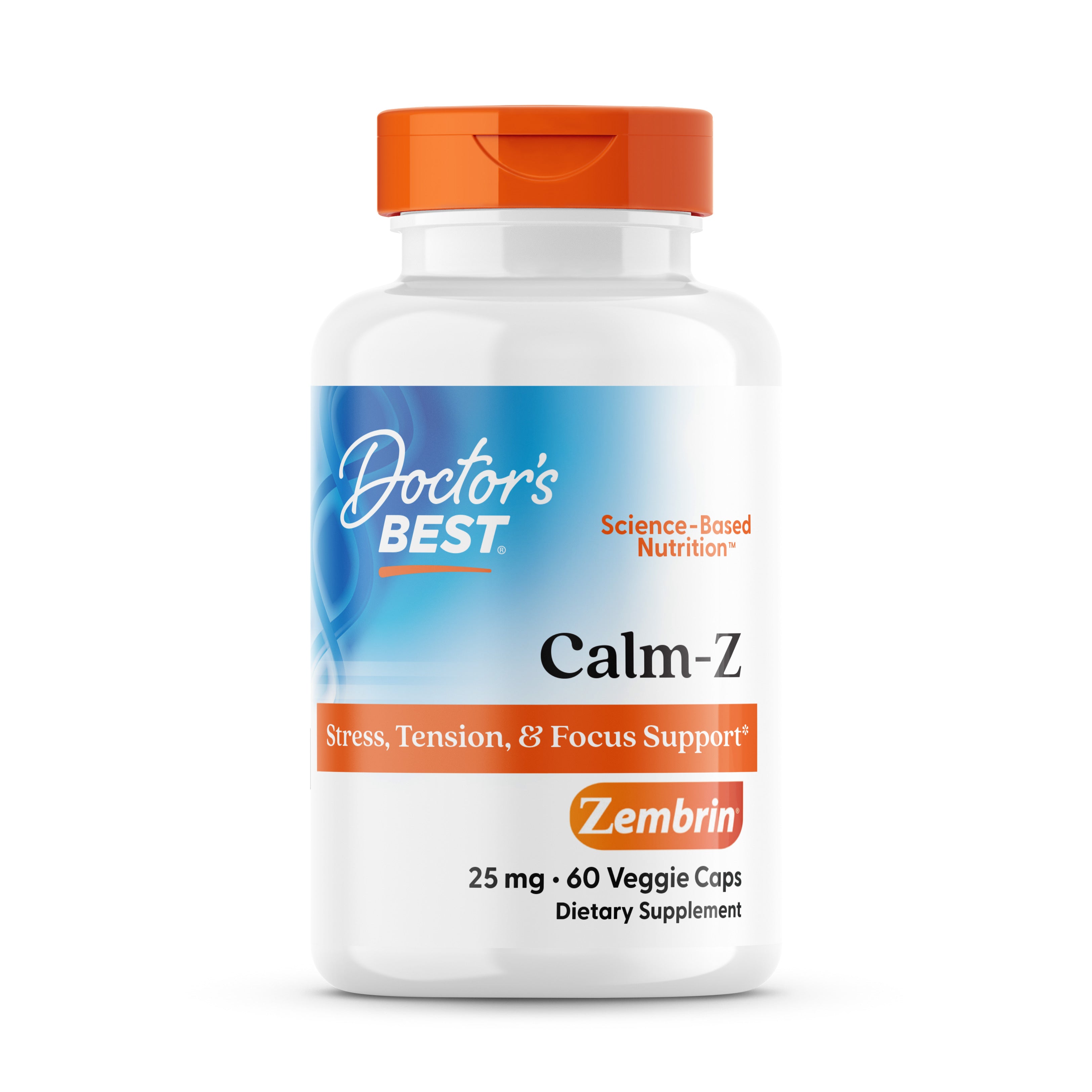
Calm-Z (Zembrin)
Doctor's Best
The one kanna extract with real published human trials behind it, at the studied 25mg dose.
"Microdosing" kanna almost never means what microdosing means for psychedelics, because kanna is not a psychedelic. There's no trip to take a fraction of. When people talk about microdosing kanna they usually mean something plainer: taking a low, consistent daily dose to keep mood, calm, or focus gently steady over time, rather than chasing a noticeable acute effect from a single serving.
The useful part of that framing is that it lines up closely with how the research was actually done. The most-studied form of kanna, the standardized Zembrin extract, was given at just 25mg per day in the published trials, and a separate safety study tested a dose as low as 8mg daily. So a "low daily" approach to kanna isn't fringe biohacking, it's roughly what the clinical work already used. Below is what a sensible low-dose protocol looks like, why it only works with a standardized product, and where the honest limits are.
The short version
- Kanna is not a psychedelic, so "microdosing" it isn't taking a sub-perceptual fraction of a trip, it just means a low, consistent daily dose for steady mood, calm, or focus.
- This maps to the research: the Zembrin studies used 25mg/day, and a safety RCT tested doses as low as 8mg daily, so a low-daily approach is close to how kanna was actually studied.
- Sensible low-dose starting point: about 8 to 25mg of a standardized extract per day; the lower end only makes sense with a product whose alkaloid content is disclosed.
- You cannot microdose reliably without a known potency, standardized capsules or extracts are essentially a requirement; raw powder and unlabeled concentrates are too variable for a precise low daily dose.
- Tolerance and cycling matter for daily use, and the visible effect at these doses is subtle, so set honest expectations: this is a gentle baseline, not a strong acute lift.
- Kanna raises serotonin like an SSRI, so it must not be combined with SSRIs, SNRIs, MAOIs, or other serotonergic medications without medical advice, and should be avoided in pregnancy. This is general information, not medical advice.
What does "microdosing kanna" actually mean?
With psychedelics, microdosing means taking a small fraction of a psychoactive dose, low enough that you don't trip but might notice a subtle shift. That definition doesn't transfer to kanna, because kanna is not a psychedelic and doesn't produce a trip to fractionate. It's a serotonin-reuptake inhibitor and PDE4 inhibitor, more in the family of a mild mood-and-focus botanical than a hallucinogen.
So when people say they're "microdosing kanna," they almost always mean one of two ordinary things: taking a small, low dose in general, or taking a low dose consistently every day to keep a gentle baseline of calm, mood, or focus rather than feeling a distinct acute effect. That second sense, the low, steady daily dose, is the useful one, and it's the one this guide is about.
Why a low daily dose is closer to the research than it sounds
The instinct to take a small daily amount of kanna happens to line up with how the clinical work was actually structured. The human trials didn't use big acute doses, they used modest daily ones on a standardized extract, and they ran for weeks.
In a 3-week randomized trial, 25mg/day of standardized kanna improved cognitive flexibility versus placebo (Chiu et al., 2014, n=21). And in a 3-month placebo-controlled RCT of 37 adults, both 8mg and 25mg daily doses were well-tolerated, with no significant changes in vitals, ECG, blood chemistry, or weight versus placebo (Nell et al., 2013). That 8mg figure matters here: it's the lowest daily dose with real safety data behind it, and it's genuinely small.
The honest caveat: these studies were on one standardized extract, they were small and short, and none of them was a "microdosing" study, they were fixed-dose daily trials. They tell you a low daily dose has been tolerated in research, not that a low daily dose delivers some special ongoing benefit. For the full dose-by-format picture, see our kanna dosage guide.
Sensible low-dose ranges by format
A low daily dose is easy to define for a standardized product and nearly impossible to define for an unlabeled one. Here are the practical low-end ranges, anchored to the studied doses.
| Format | Low daily range | Notes |
|---|---|---|
| Standardized capsule (Zembrin-type) | ~8 to 25mg/day | The clinically studied window; 8mg is the lowest studied dose, 25mg the standard one. |
| Other standardized extract capsule | Small fraction of a 25 to 50mg serving | Only works if the alkaloid % is disclosed; check the label, not the pill size. |
| Gummy / chew (25 to 30mg extract per piece) | Half a piece, if it splits cleanly | Fixed-dose pieces are hard to sub-divide precisely; a low-dose capsule is easier. |
| Tincture (by the drop) | A few drops, titrated | Dose-by-the-drop helps, but only if the brand states the alkaloid %. |
| Raw whole-plant powder | Not recommended for microdosing | Too weak and variable (~50 to 400mg servings) to hit a precise low daily dose. |
| Concentrate (50:1, 100:1, MT55) | Not recommended for microdosing | So potent that a "low" dose is a few milligrams, past what most people can weigh safely. |
The pattern is clear: microdosing kanna is a standardized-capsule game. For how to actually take each format, see how to take kanna.
You can't microdose without a known potency
The whole idea of a small, repeatable daily dose depends on knowing how much active material is in each serving. Kanna's activity is driven by its alkaloids, mesembrine chief among them, and raw or unlabeled products vary wildly batch to batch. If you don't know the potency, you're not microdosing, you're guessing with a small pile of powder.
This is exactly why a standardized extract, one guaranteed to contain a stated percentage of alkaloids, is effectively a requirement for this. Zembrin, for example, is standardized to a set alkaloid range, which is what made a fixed 8 to 25mg daily dose reproducible in the trials. Raw whole-plant powder and unlabeled concentrates can't give you that consistency.
If you're choosing a product specifically to dose low and consistently, start with the standardized, COA-transparent options in our best kanna supplement guide, they're the ones built for repeatable dosing.
Tolerance, cycling, and daily use
Daily dosing raises a question a one-off serving doesn't: does it keep working? Many users report that kanna's noticeable effect fades with frequent, repeated use, so a dose that felt gently lifting on day one can feel like nothing after a few weeks of daily use. That's the practical argument against dosing every single day indefinitely.
Because of that, a lot of people who take kanna regularly cycle it, using it on some days and not others, or taking periodic breaks, rather than dosing daily forever. If a low daily routine stops doing anything, that's usually the signal to take a break rather than to push the dose up. We cover this in detail in our kanna tolerance guide.
Honest expectations: what a low daily dose does and doesn't do
Set the bar realistically. At 8 to 25mg of a standardized extract, kanna is a subtle input, not a strong one. Users commonly describe a low daily dose as a mild, background sense of steadiness, a slightly lighter mood or easier focus, rather than a distinct "I feel it kick in" moment. If you're expecting a noticeable acute lift, a low microdose is the wrong tool, that's what a normal single dose is for.
It's also worth being clear about what we can't claim. Kanna is sold as a botanical supplement, and these statements have not been evaluated by the FDA; kanna is not intended to diagnose, treat, cure, or prevent any disease, including anxiety or depression. The evidence base is small, short, and mostly on one extract, and there is no study showing that a sustained microdose produces a lasting benefit. Treat a low daily routine as a gentle, experimental baseline, not a treatment.
Supplement note: kanna is sold as a botanical supplement. These statements have not been evaluated by the FDA, and kanna is not intended to diagnose, treat, cure, or prevent any disease.
The safety lines that override the dose
Taking kanna daily, even at a low dose, doesn't relax the core precaution, if anything, consistent daily use makes it more important. Because kanna acts on serotonin much like an SSRI does, the headline caution is mechanism-based:
Beyond interactions, side effects are generally mild and more likely at higher doses, so a low daily dose is usually gentle: occasional headache, nausea, appetite loss, or mild dizziness. None of this is medical advice, if you take prescription medication or have a health condition, talk to a clinician before trying kanna, and especially before taking it every day.
How we chose
The dose ranges here come from the published Zembrin clinical work (25mg/day, and 8mg/day in the Nell safety RCT) plus the standardized-extract specs documented in the literature, not from our own dose-ranging trials, which we do not run.
"Microdosing" is a popular label, not a clinical protocol for kanna; there is no dose-ranging or long-term microdosing trial for Sceletium tortuosum. We describe the low-daily pattern experientially and flag where it outruns the evidence, which is quickly.
Key terms
- Microdosing (kanna sense)
- Taking a low, consistent daily dose of kanna for a gentle baseline of mood, calm, or focus, not a sub-perceptual fraction of a psychedelic, since kanna isn't psychedelic.
- Standardized extract
- An extract guaranteed to contain a stated percentage of active alkaloids (e.g. Zembrin's ~0.35 to 0.45% total alkaloids), which is what makes a small, repeatable daily dose possible.
- Mesembrine
- Kanna's most potent serotonin-transporter alkaloid; the reason potency varies so much between products and why a disclosed alkaloid content matters for low dosing.
- Cycling
- Using kanna on some days and not others, or taking periodic breaks, to limit the tolerance that can build with frequent daily use.
Questions, answered
Can you microdose kanna?
Yes, in the plain sense of taking a low, consistent daily dose, about 8 to 25mg of a standardized extract. But kanna isn't a psychedelic, so "microdosing" here doesn't mean a sub-perceptual fraction of a trip; it just means a small daily amount for a gentle mood-and-focus baseline. It only works reliably with a standardized product whose alkaloid content is disclosed.
How much kanna is a microdose?
As a low-daily anchor, roughly 8 to 25mg of a standardized extract per day. The 8mg figure comes from the Nell et al. (2013) safety RCT, which found 8mg and 25mg daily both well-tolerated; 25mg is the standard studied dose. Below that, you're relying on a potency most raw or unlabeled products can't guarantee.
Is microdosing kanna like microdosing mushrooms?
No. Psychedelic microdosing means taking a fraction of a psychoactive dose so you don't trip. Kanna isn't a psychedelic and produces no trip to fractionate, it's a serotonin-reuptake and PDE4 inhibitor. Microdosing kanna just means a low, steady daily dose, a different thing entirely.
Can I take a low dose of kanna every day?
The clinical studies used daily doses (25mg/day, and 8mg/day in the safety trial) for up to 3 months and reported them well-tolerated, but many users find the effect fades with frequent use and choose to cycle it, taking breaks rather than dosing daily forever. This is general information, not medical advice, and kanna should never be combined with SSRIs, SNRIs, MAOIs, or other serotonergic medications without a doctor's guidance.
What should I expect from a kanna microdose?
Realistically, very little that's dramatic. At 8 to 25mg of a standardized extract, most users describe a subtle, background steadiness, a slightly lighter mood or easier focus, not a distinct acute lift. If you want to actually feel it come on, a normal single dose is the right tool, not a microdose.
References
The human research on kanna is genuine but small, a handful of trials, mostly on the standardized Zembrin extract. These are the primary sources we cite, linked so you can read them yourself.
- 1.Chiu S, Gericke N, Farina-Woodbury M, et al. (2014). Proof-of-Concept Randomized Controlled Study of Cognition Effects of the Proprietary Extract Sceletium tortuosum (Zembrin) Targeting Phosphodiesterase-4 in Cognitively Healthy Subjects. Evidence-Based Complementary and Alternative Medicine. A 3-week randomized study (n=21) reported improved cognitive set flexibility and executive function vs placebo. PubMed · DOI
- 2.Nell H, Siebert M, Chellan P, Gericke N (2013). A randomized, double-blind, parallel-group, placebo-controlled trial of Extract Sceletium tortuosum (Zembrin) in healthy adults. Journal of Alternative and Complementary Medicine. A 3-month placebo-controlled trial (n=37) found 8 mg and 25 mg/day were well-tolerated, with no significant changes in vitals or blood chemistry. PubMed · DOI
Keep reading
Kanna Dosage Guide: How Much to Take
The full dose-by-format breakdown, with onset, duration, and a start-low method.
Kanna Tolerance: Does It Build and How to Cycle
Whether kanna's effect fades with daily use, and how people cycle it to keep it working.
The Best Kanna Supplement You Can Buy
Standardized, COA-transparent picks, the products built for repeatable low dosing.
How to Take Kanna: Methods, Dosing & Onset
Every route with an onset table, dosing by format, and a start-low method.