Our Pick: Doctor's Best
Check price →Kanna for Working Out: Pre-Workout, Gym, and the Honest Truth (2026)
Can kanna help your workout? Not the way a pre-workout does, it gives no energy, no pump, and there's no exercise research on it. But there's a narrow mental-side case, and one big mistake to avoid.
By The Kanna Reviews Desk · 8 min · Updated 2026-07-02
★ Top-Rated Kanna Right Now
Best Overall
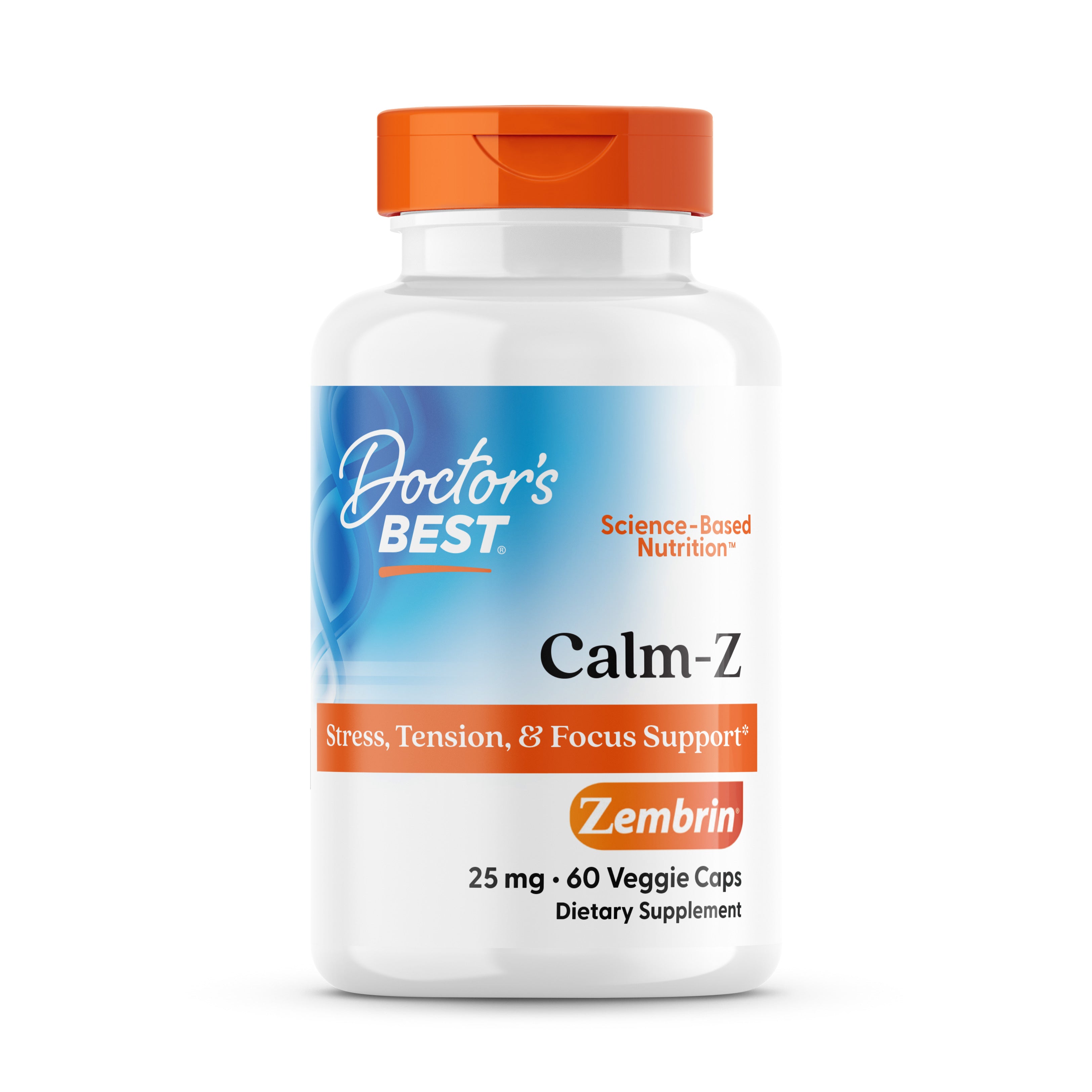
Calm-Z (Zembrin)
Doctor's Best
The one kanna extract with real published human trials behind it, at the studied 25mg dose.
The honest answer up front: kanna (Sceletium tortuosum) is not a pre-workout. It is not a stimulant, so it will not give you caffeine-like energy, it will not deliver a pump, and it will not boost your strength or endurance. There is no exercise-performance research on kanna at all, not a single trial on lifting, running, or output. If you're looking for a chemical that makes you physically stronger or lets you train harder, kanna is the wrong tool, and anyone selling it as a performance enhancer is overselling it.
So why do people search "kanna pre workout" or "kanna gym"? Because the plant works on the mental side, not the muscular one. Where kanna might have a small role is headspace: a low dose that some people find takes the pre-gym edge off, quiets a busy mind, and helps them settle into the session, more "get in the zone" than "get amped." That's the honest, narrow lane, and this guide draws the line clearly so you set your expectations low and buy accordingly.
The short version
- Kanna is NOT a stimulant pre-workout. It gives no caffeine-like energy, no pump, and does not boost strength or endurance. There is zero exercise-performance research on it, so we won't pretend otherwise.
- Where it MIGHT fit is purely mental: a low dose that some people find calms pre-gym nerves, quiets the mind, and helps them get in the zone, a mood-and-focus effect, not a physical one.
- The biggest mistake: do NOT stack kanna with a caffeine-heavy pre-workout expecting synergy. It can feel edgy and unpleasant, more on that in our kanna and caffeine guide.
- The serotonergic rule still applies. Kanna raises serotonin like an SSRI (Harvey 2011), so never combine it with an SSRI, SNRI, MAOI, or other serotonergic medication without medical advice, and avoid it in pregnancy.
- Set expectations low. If you want physical drive, take an actual pre-workout. If you want a calmer, clearer head walking into a session, kanna is worth a low, honest try.
Is kanna a good pre-workout? The honest, no-hype answer
No, not in the way the word "pre-workout" implies. A pre-workout formula is built around stimulants (usually a big dose of caffeine) plus pump and endurance ingredients. Kanna does none of that. It is not a stimulant, so it will not raise your drive, spike your heart rate to push you through a set, or create the caffeine buzz people train on. It will not give you a pump, and it will not improve strength, power, or endurance.
Just as important: there is no exercise-performance research on kanna whatsoever. Nobody has run a trial on kanna and lifting, sprinting, VO2 max, or time to exhaustion. So we can't tell you it helps your workout, because there's no evidence it does, and we won't invent any. Anyone claiming kanna is a performance enhancer is running ahead of the data by a mile.
Where kanna MIGHT actually fit: the mental side of training
The narrow, honest case for kanna around a workout is headspace, not muscle. The brighter end of kanna is a mood-and-focus effect, and some people use a low dose before training to take the edge off pre-gym nerves, quiet a scattered mind, and settle into the session. Think of it as helping you get in the zone rather than get amped, which is the exact opposite of what a caffeine pre-workout does.
This is plausible on the same grounds we describe elsewhere: kanna is a serotonin-reuptake inhibitor, and in a 3-week randomized trial, 25mg/day of standardized kanna improved cognitive flexibility versus placebo (Chiu et al. 2014). That was a general cognition finding in adults 45 to 65, not a gym study, so read it as a reason the calmer-focus report is believable, not as proof kanna sharpens your training. If gym anxiety, social self-consciousness in a busy weight room, or a racing mind is what actually holds your sessions back, the mental lane is where kanna could earn a spot.
The big mistake: don't stack kanna with a caffeine pre-workout
This is the one to underline. Because people search "kanna pre workout," the tempting move is to throw kanna on top of their usual caffeine-loaded scoop expecting some kind of synergy. Don't. Stacking a serotonergic mood botanical with a heavy stimulant is not a proven combo, and in practice it can feel edgy, wired-but-off, and unpleasant rather than better. You're pushing your nervous system in two different directions at once.
If you already train on a strong pre-workout, kanna is not an add-on that will amplify it. If anything, they work against each other, kanna leans calm and social, caffeine leans jittery and driven. We break the interaction down more fully in our kanna and caffeine guide, but the short version is: pick a lane. Don't layer a low kanna dose onto a big caffeine dose and expect a clean result.
The serotonergic safety rule you can't skip at the gym
This applies no matter how you use kanna, and it matters at the gym because so many people who train are also on prescription mood medication. Because kanna raises serotonin the way an SSRI does, it must not be combined with SSRIs, SNRIs, MAOIs, or other serotonergic medications without a doctor's advice. Kanna's mechanism is a documented dual action, a serotonin-reuptake inhibitor and a PDE4 inhibitor at once (Harvey et al. 2011), which is exactly why that caution exists.
To be accurate and not alarmist: documented serotonin-syndrome cases from kanna are essentially absent in the literature, and the caution is a precaution based on how kanna works, not a record of widespread harm. It's also generally advised to avoid kanna in pregnancy. If you take any antidepressant or anti-anxiety medication, don't add kanna to your gym routine on your own, ask the prescriber who knows your history first.
These statements have not been evaluated by the Food and Drug Administration. Kanna is not intended to diagnose, treat, cure, or prevent any disease, and it is not intended to enhance athletic or physical performance.
If you still want to try it: keep the dose low and the expectations lower
If the mental case appeals and you've cleared the serotonergic caution, the sensible approach is a low, standardized dose taken 30 to 45 minutes before training, on a relatively empty stomach, with expectations set at "maybe a calmer, clearer head," not "more energy." Standardization matters because it lets you take a known dose and judge it honestly rather than guessing with an unlabeled concentrate. Start low precisely because a bigger kanna dose tends to lean more calming, which is the last thing you want walking into a workout.
For where kanna's mood and focus effects genuinely come from, and why it's a headspace tool and not an energy one, read our best kanna for focus picks and the honest breakdown in best kanna for energy (which explains, in detail, why kanna is not a stimulant). If you're new to the plant entirely, start with what kanna actually feels like and the wider kanna benefits overview before you bring it anywhere near the gym. And use the finder below to match a low, standardized starting product to what you're actually after.
We don't run clinical trials, and none of this is a claim of physical benefit, we're pointing you at transparent, standardized options and telling you honestly that kanna's only realistic gym role is mental.
Questions, answered
Is kanna a good pre-workout?
No, not in the usual sense. Kanna is not a stimulant, so it gives no caffeine-like energy, no pump, and no boost to strength or endurance, and there is no exercise-performance research on it at all. Its only plausible gym role is mental: some people find a low dose calms pre-gym nerves and helps them focus. If you want physical drive, take an actual pre-workout instead. As a supplement, kanna is not FDA-evaluated and is not intended to enhance athletic performance.
Does kanna give you energy for the gym?
Not in the way coffee or a pre-workout does. Kanna doesn't provide physical, caffeine-like energy or stimulation, so it won't power you through a hard session. What some people report from a low dose is a calmer, more focused headspace, a mood effect, not a jolt. If genuine physical energy is the goal, kanna is the wrong plant.
Can I take kanna with my pre-workout?
We'd advise against stacking kanna on top of a caffeine-heavy pre-workout expecting synergy. It isn't a proven combination and it can feel edgy and unpleasant, since you're pushing your nervous system toward calm and toward stimulation at the same time. Pick one lane. See our kanna and caffeine guide for the full breakdown of why layering them tends to backfire.
Does kanna improve athletic performance or build muscle?
There's no evidence for that, and we won't claim it. No study has tested kanna on strength, endurance, output, or muscle, so it should not be thought of as a performance enhancer. Its documented effects are on mood and cognition (Harvey 2011, Chiu 2014), not the body's physical capacity. Treat kanna as a possible headspace aid before training, nothing more.
Is it safe to take kanna before working out?
For most healthy adults a low, standardized dose is generally well-tolerated, but the key caution is serotonergic: kanna raises serotonin much like an SSRI, so don't combine it with SSRIs, SNRIs, MAOIs, or other serotonergic medications without medical advice, and avoid it in pregnancy. Documented serotonin-syndrome cases from kanna are essentially absent, but because many people who train are on mood medication, ask your prescriber first. None of this is medical advice, and these statements aren't FDA-evaluated.
References
The human research on kanna is genuine but small, a handful of trials, mostly on the standardized Zembrin extract. These are the primary sources we cite, linked so you can read them yourself.
- 1.Harvey AL, Young LC, Viljoen AM, Gericke NP (2011). Pharmacological actions of the South African medicinal and functional food plant Sceletium tortuosum and its principal alkaloids. Journal of Ethnopharmacology. Identified kanna's dual mechanism, serotonin-reuptake inhibition (5-HT transporter) and PDE4 inhibition, in vitro. PubMed · DOI
- 2.Chiu S, Gericke N, Farina-Woodbury M, et al. (2014). Proof-of-Concept Randomized Controlled Study of Cognition Effects of the Proprietary Extract Sceletium tortuosum (Zembrin) Targeting Phosphodiesterase-4 in Cognitively Healthy Subjects. Evidence-Based Complementary and Alternative Medicine. A 3-week randomized study (n=21) reported improved cognitive set flexibility and executive function vs placebo. PubMed · DOI
Filed under Explainer
Part of Kanna, Honestly
Keep reading
The Best Kanna for Energy & Uplift
Why kanna isn't a stimulant, and the uplift-leaning picks that actually brighten mood.
The Best Kanna for Focus
The clear-headed, get-in-the-zone picks, the focus side of the bright end.
Kanna and Caffeine: Should You Combine Them?
Why stacking kanna on a caffeine pre-workout tends to feel edgy, not synergistic.
What Does Kanna Feel Like?
The honest rundown of kanna's mood lift, timing, and the brighter vs calmer ends.
Kanna Benefits: What It Actually Does
The evidence-first look at what kanna does, and what it doesn't.