Our Pick: Doctor's Best
Check price →Kanna and Caffeine: Can You Take Kanna With Coffee?
Caffeine isn't serotonergic, so this isn't the SSRI-class interaction, and there's no documented dangerous kanna-caffeine reaction in the research. But both can be mildly stimulating, so the honest answer is 'usually fine, start low.' Here's how to stack them sensibly.
By Justin Park · ~7 min read · Updated 2026-07-01
★ Top-Rated Kanna Right Now
Best Overall
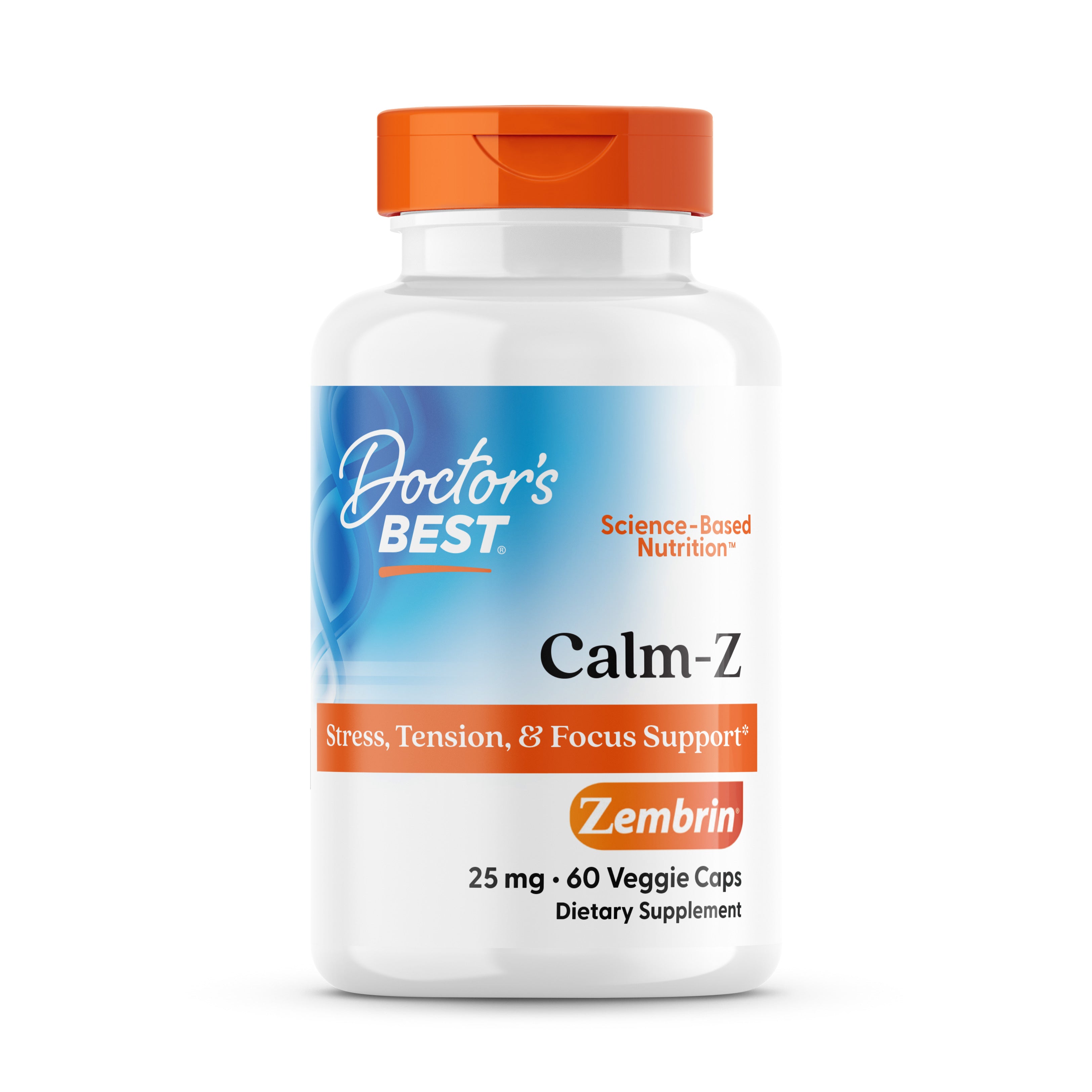
Calm-Z (Zembrin)
Doctor's Best
The one kanna extract with real published human trials behind it, at the studied 25mg dose.
Here's the honest answer up top: for most people, taking kanna with coffee is fine. Caffeine is not serotonergic, so this is not the high-stakes interaction that kanna has with antidepressants, and there's no documented dangerous kanna-caffeine reaction anywhere in the literature. The real, everyday caution is much smaller: both kanna and caffeine can be mildly stimulating at some doses, so a strong, high-mesembrine kanna stacked on top of a lot of caffeine can tip some people into feeling edgy or jittery. The sensible move is simple: keep your normal kanna dose and cut your usual caffeine in half the first time, so you can feel how the two sit together.
We want to be straight in both directions, because a lot of pages on this either wave it through with zero nuance or borrow the scary serotonin-syndrome warning that actually belongs to a totally different question. Neither is helpful. There's no evidence coffee pushes kanna into dangerous territory, but 'no documented danger' is not the same as 'you'll feel great,' and the way these two interact is genuinely a little different from a double espresso, for reasons worth understanding.
One bit of housekeeping. This is general information from a kanna publication that cares, not medical advice, and we're writers, not doctors. The one combination that truly matters for kanna is a serotonergic medication (an SSRI, SNRI, or MAOI), and that warning is about those drugs, not about your coffee. We'll say that plainly below so you can stop worrying about the wrong thing and pay attention to the right one.
The short version
- Caffeine is not serotonergic, so kanna plus coffee is NOT the SSRI-class interaction. There's no documented dangerous kanna-caffeine reaction in the research.
- The real, mild caution: both can be stimulating at some doses, so a strong, high-mesembrine kanna plus a lot of caffeine can feel edgy or jittery for some people.
- Kanna and caffeine work through different arousal pathways (kanna's PDE4 inhibition vs caffeine's adenosine blockade), which is why the combo can feel different from a bigger coffee.
- Sensible first try: keep your normal kanna dose, halve your usual caffeine, use it in the morning, and notice your heart rate and jitter level.
- Skip or go extra-cautious if you're anxiety-prone, caffeine-sensitive, or have a heart condition. Two stimulating things can be one too many.
- The serotonergic warning kanna carries is about SSRIs, SNRIs, and MAOIs, not coffee. If you take one of those meds, that's the conversation to have with your prescriber.
Is it safe to mix kanna and coffee?
For most healthy adults, yes, and we'll tell you why we can say that with a straight face. The fear people carry into this question is usually borrowed from the serotonin-syndrome warning attached to kanna, the one that says kanna must not be combined with serotonergic drugs. That warning is real, and it matters, but it is about a specific mechanism: kanna raises serotonin the same broad way an SSRI does, so stacking it on another serotonin-raising drug can push serotonin activity too high. Caffeine does none of that. Caffeine is not a serotonergic drug, it works on an entirely different system, so the serotonin-syndrome concern simply does not apply to coffee.
When you look for research on kanna (Sceletium tortuosum) combined with caffeine specifically, there isn't a body of studies documenting a dangerous reaction. What we do have is a good safety picture for kanna on its own: a 3-month placebo-controlled trial of standardized kanna in 37 adults (Nell 2013) found both 8mg and 25mg daily doses were well-tolerated, with no significant changes in vitals, ECG, blood chemistry, or weight. That's the human safety base, and nothing about adding a normal cup of coffee is known to overturn it. So the honest framing here isn't 'dangerous,' it's 'generally fine, with one small, practical caveat about feeling over-stimulated.'
What does the combo feel like?
This is the part that's actually interesting, because kanna and caffeine don't lift you the same way, and the difference is why some people love the stack and others find it a bit much. Kanna works through a rare dual mechanism (Harvey 2011): it's both a serotonin-reuptake inhibitor and a PDE4 inhibitor at once. That PDE4 inhibition is a form of arousal, but it's a different pathway from caffeine, which perks you up by blocking adenosine, the molecule that builds up over the day and makes you feel sleepy. Two different doors into the same room.
In practice, people describe kanna as a gentle mood lift with a quiet, clear-headed focus, and caffeine as the familiar alertness-and-drive push. Stacked together in sensible amounts, a lot of people report a smooth, motivated, socially-easy kind of energy, the kanna taking some of the sharp edges off the caffeine. That's the appeal, and it's why kanna comes up so often in energy and focus conversations. The flip side: because both are nudging your arousal up, a strong high-mesembrine kanna plus a big dose of caffeine can stack into feeling wired, jittery, or anxious for people who are sensitive to either. It's not a dangerous reaction, it's just too much stimulation, the same way a third espresso can be too much on its own.
If your goal is daytime energy or focus specifically, it's worth choosing your kanna with that in mind rather than reaching for a strongly calming format. We break down the formats built for it in Best Kanna for Energy and Best Kanna for Focus.
Kanna instead of coffee?
A fair question a lot of people arrive at: could kanna replace some or all of my coffee? For some people, in some situations, sort of, but manage your expectations. Kanna is not a caffeine substitute in the literal sense. It doesn't block adenosine, so it won't paper over genuine sleep debt the way caffeine does, and its effect is subtler and shorter, with onset around 15 to 40 minutes for chews and tinctures and a duration often in the 1 to 3 hour range. If you're expecting a 1:1 swap that hits like your usual large coffee, you'll be disappointed.
Where the swap does appeal: people who like caffeine's drive but dislike its jitter and crash sometimes use a lower dose of caffeine plus kanna, or a kanna-forward morning on days they want alertness without the wired feeling. Because kanna leans on mood and focus rather than pure adenosine-blocking stimulation, it can feel like a calmer, more even lift. That's an experiential pattern people report, not a proven pharmacological equivalence, so treat it as personal experimentation rather than a rule. And remember the dose-response quirk people describe with kanna: lower amounts tend to feel more uplifting and stimulating, higher amounts more calming, which is the opposite of what you'd want if you're chasing energy. If you go this route, start on the lower, more uplifting end.
How to try it sensibly
None of this is complicated. If you want to see how kanna and caffeine sit together for you, here's the low-risk way to find out.
- Keep your normal kanna dose, halve your usual caffeine. Change one variable at a time. Cutting the caffeine (rather than the kanna) the first time gives you headroom to notice how the two combine without stacking two full stimulant doses at once.
- Do it in the morning. Both can be mildly stimulating, and caffeine in particular has a long half-life, an afternoon combo is a good way to wreck your sleep, which then makes everything feel worse the next day.
- Notice your heart rate and jitter level. A slightly livelier baseline is normal. A racing heart, restlessness, or an anxious edge is your signal that it's too much stimulation for you, dial the caffeine (or the kanna) down next time.
- Don't reach for a strong, high-mesembrine kanna on your first combined try. Start with a standardized, balanced format so you're not stacking a potent stimulant on top of a potent stimulant. You can always go up.
- Skip the combo if you're anxiety-prone, caffeine-sensitive, or have a heart condition. If caffeine alone already makes you jittery or your doctor has told you to watch stimulants, adding a second stimulating input is the wrong experiment.
If you want the dosing fundamentals for kanna itself before you layer anything on top, start with our kanna dosage guide, and if you're curious about the mechanism, how kanna works explains the serotonin-plus-PDE4 dual action in plain language.
The combination that actually matters (and it isn't coffee)
We'll say this plainly because it's the single most important thing to get right, and it's easy to aim your worry at the wrong target. The high-stakes combination for kanna is not caffeine, it's a serotonergic medication. Because kanna inhibits serotonin reuptake the same broad way an SSRI does (Harvey 2011), stacking it on top of an antidepressant or another serotonin-raising drug can push serotonin activity too high, which is the mechanism-based setup for serotonin syndrome. Coffee has nothing to do with that pathway.
The medications to flag are SSRIs (like sertraline or escitalopram), SNRIs (like venlafaxine or duloxetine), MAOIs (the highest-risk category), and other serotonergic agents such as tramadol, triptans, St John's Wort, 5-HTP, and dextromethorphan (DXM). If any of those are part of your life, kanna is an 'ask my prescriber or pharmacist first' situation, full stop, and no amount of adjusting your coffee changes that. You can read our dedicated, honest guide at our companion piece on mixing kanna with other things for the broader harm-reduction picture. As a supplement, kanna has not been evaluated by the FDA and is not intended to diagnose, treat, cure, or prevent any disease, that's true whether or not there's a coffee in your hand.
The bottom line
Taking kanna with coffee is, for most healthy adults, a low-stakes thing. Caffeine isn't serotonergic, so the scary interaction you may have read about doesn't apply here, and there's no documented dangerous kanna-caffeine reaction in the research. The only genuine caveat is a mild one: two mildly stimulating inputs can add up, so a strong kanna plus a lot of caffeine can feel edgy for some people. Keep your normal kanna dose, halve your caffeine the first time, use it in the morning, and read your own heart rate and jitter level, that's really all the caution this needs.
Save the real vigilance for where it belongs. If you take an antidepressant or another serotonergic medication, that's the combination that matters, talk to your prescriber before using kanna at all. Otherwise, if you're curious whether kanna and your morning coffee make a good team, the honest answer is: probably, start low, and let your own body tell you.
Questions, answered
Can you take kanna with coffee?
For most healthy adults, yes. Caffeine is not serotonergic, so kanna plus coffee is not the high-stakes SSRI-class interaction, and there's no documented dangerous kanna-caffeine reaction in the research. The only real caveat is that both can be mildly stimulating, so a strong, high-mesembrine kanna stacked on a lot of caffeine can feel edgy or jittery for some people. The sensible first try is to keep your normal kanna dose, halve your usual caffeine, and use it in the morning so you can feel how the two combine.
Is kanna and caffeine a dangerous combination?
There's no evidence that it is. The dangerous interaction kanna warns about is with serotonergic medications (SSRIs, SNRIs, MAOIs), because kanna raises serotonin the way those drugs do. Caffeine works on a completely different system (it blocks adenosine), so the serotonin-syndrome concern does not apply to coffee. The worst realistic outcome from kanna plus a lot of caffeine is feeling over-stimulated or jittery, which is uncomfortable but not the same as a dangerous chemical reaction.
Why does kanna plus coffee feel different from just more coffee?
Because they lift you through different pathways. Kanna works through a rare dual mechanism (Harvey 2011): a serotonin-reuptake inhibitor and a PDE4 inhibitor at once, which people describe as a gentle mood lift and clear focus. Caffeine perks you up by blocking adenosine, the molecule that makes you sleepy. Stacked in sensible amounts, many people report a smooth, motivated energy with fewer sharp edges than caffeine alone, the kanna taking some of the jitter off. Too much of both, though, and you can end up wired.
Can kanna replace coffee?
Not literally. Kanna doesn't block adenosine, so it won't erase genuine sleep debt the way caffeine does, and its effect is subtler and shorter (onset around 15 to 40 minutes, duration roughly 1 to 3 hours). What some people do is use a lower dose of caffeine plus kanna, or a kanna-forward morning, to get alertness with less jitter and crash. That's an experiential pattern people report, not a proven equivalence. If you try it, start on the lower, more uplifting end of your kanna dose, since higher amounts tend to feel more calming than energizing.
Who should avoid mixing kanna and caffeine?
Anyone who is anxiety-prone, caffeine-sensitive, or has a heart condition should be cautious or skip the combo, because you'd be adding a second stimulating input to one your body may already react strongly to. And separately from caffeine entirely: if you take a serotonergic medication like an SSRI, SNRI, or MAOI, the caution there is about kanna and the medication, not the coffee, talk to your prescriber before using kanna at all.
References
The human research on kanna is genuine but small, a handful of trials, mostly on the standardized Zembrin extract. These are the primary sources we cite, linked so you can read them yourself.
- 1.Harvey AL, Young LC, Viljoen AM, Gericke NP (2011). Pharmacological actions of the South African medicinal and functional food plant Sceletium tortuosum and its principal alkaloids. Journal of Ethnopharmacology. Identified kanna's dual mechanism, serotonin-reuptake inhibition (5-HT transporter) and PDE4 inhibition, in vitro. PubMed · DOI
- 2.Nell H, Siebert M, Chellan P, Gericke N (2013). A randomized, double-blind, parallel-group, placebo-controlled trial of Extract Sceletium tortuosum (Zembrin) in healthy adults. Journal of Alternative and Complementary Medicine. A 3-month placebo-controlled trial (n=37) found 8 mg and 25 mg/day were well-tolerated, with no significant changes in vitals or blood chemistry. PubMed · DOI
Keep reading
Best Kanna for Energy
The formats and doses built for a clean daytime lift, and how they pair with (or offset) caffeine.
Best Kanna for Focus
Picks aimed at clear-headed concentration, the profile that stacks well with a morning coffee.
How Kanna Works
The serotonin-reuptake plus PDE4 dual mechanism, in plain language, and why it feels different from caffeine.
Kanna Dosage Guide
How much kanna to take by format, and how to find your dose before you stack anything on top.
Kanna and Alcohol: Is It Safe to Mix?
The companion harm-reduction guide, and where the real medication caution actually lives.