Our Pick: Doctor's Best
Check price →Kanna Extract vs Raw Whole-Plant: Which Should You Buy? (2026)
Concentrated, standardized extract or the traditional raw whole-plant (kougoed) kanna. Extract is consistent and dose-predictable; raw is gentle, traditional, cheaper by weight, and far harder to dose precisely.
By The Kanna Reviews Desk · 8 min · Updated 2026-07-02
★ Top-Rated Kanna Right Now
Best Overall
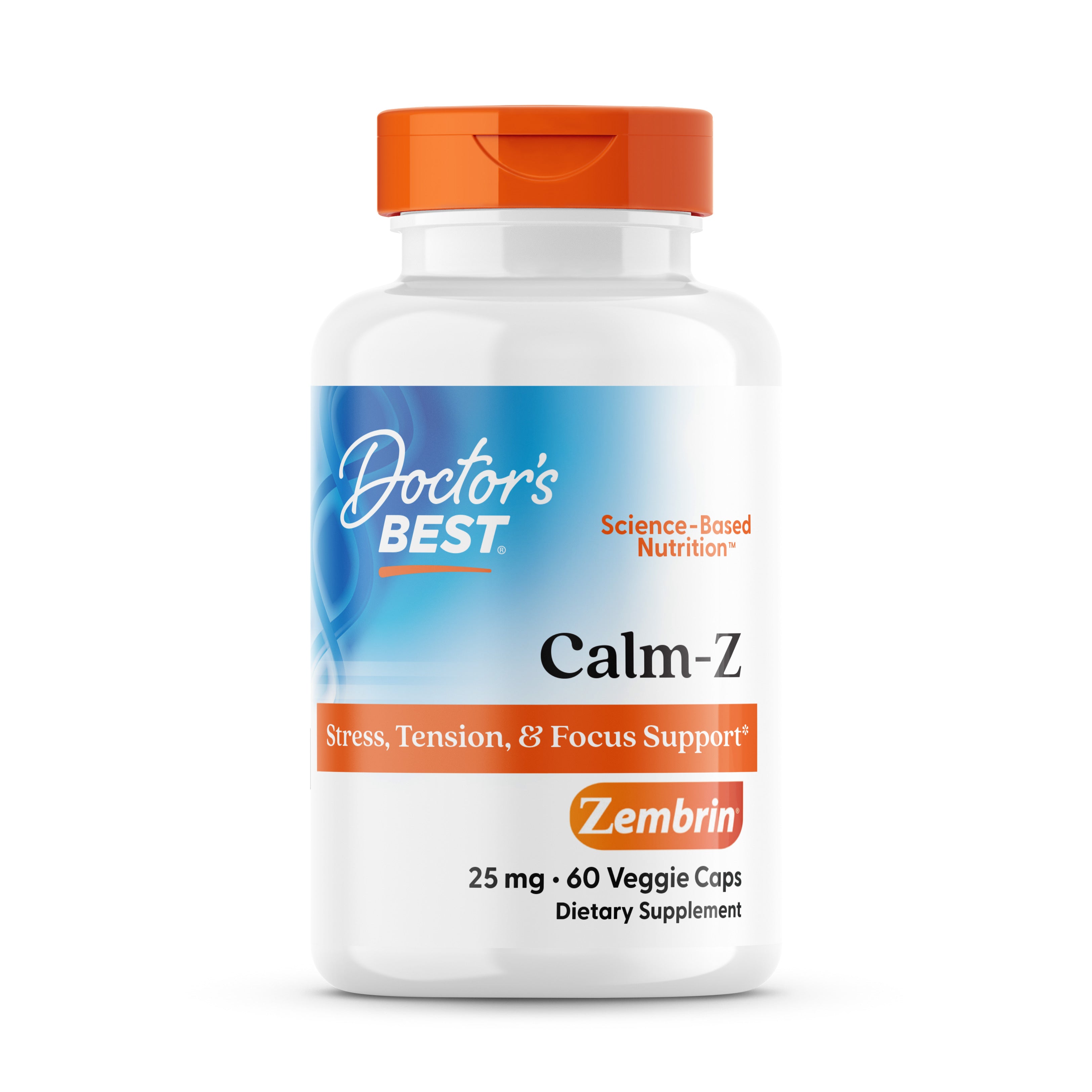
Calm-Z (Zembrin)
Doctor's Best
The one kanna extract with real published human trials behind it, at the studied 25mg dose.
Kanna comes in two very different forms, and the choice matters more than most buyers realize. The short answer: standardized kanna extract is the consistent, dose-predictable option nearly every reviewed product uses, while raw whole-plant kanna (the traditional "kougoed" the Khoisan chewed) is gentler, cheaper by weight, and the closest thing to how the plant was used for centuries, but its potency swings from harvest to harvest, so precise dosing is genuinely hard.
If you want to know how much active you are taking and to get the same effect twice, buy a standardized extract. If you are a traditionalist or an experimenter who owns a milligram scale and does not mind variability, raw whole-plant is the authentic, low-concentration way in. For most people the extract wins on predictability alone, and that is exactly why it dominates the market.
The short version
- Raw whole-plant kanna is the traditional chewed form: gentle, cheaper by weight, and wide-swinging in potency from plant to plant, which makes precise dosing hard.
- Extract is concentrated and often standardized to a stated alkaloid percentage, so it is far more consistent and dose-predictable, which is why nearly every reviewed product is an extract.
- Raw suits traditionalists and experimenters who own a milligram scale; extract suits anyone who wants predictable effects and a known dose.
- Value flips depending on how you count: raw is cheaper per gram, but extract is easier to compute as cost per standardized dose, which is the number that actually matters.
- Kanna raises serotonin like an SSRI, so neither form should be combined with SSRIs, SNRIs, MAOIs, or other serotonergic medications without medical advice, and concentration raises the stakes with extract.
| Standardized extract | Raw whole-plant (kougoed) | |
|---|---|---|
| Potency consistency | High, standardized to a stated alkaloid %, verified batch to batch | Low, alkaloid content varies plant-to-plant and by harvest |
| Dose control | Precise, a known quantity of actives per capsule, tablet, or serving | Loose, measured in the ~50 to 400mg range; a scale helps but potency still varies |
| Onset | ~15 to 40 min for fast formats (tablets, tinctures); longer for capsules | ~15 to 40 min chewed sublingually, the traditional route |
| Value | Higher per gram, but easy to compute as cost per standardized dose | Cheaper by weight, but cost per effective dose is fuzzy because potency swings |
| Who it suits | Anyone who wants predictable effects and a known dose | Traditionalists and experimenters with a mg scale |
Kanna extract vs raw whole-plant at a glance. Same plant, two very different levels of concentration, consistency, and dose control.
The bottom line: which one should you choose?
Choose a standardized extract if you want predictable effects and a dose you can actually reason about. A standardization like "5% total alkaloids / 3% mesembrine" is a verified figure that holds batch to batch, so the same serving does roughly the same thing every time, and you can compute cost per standardized dose to compare products honestly. Choose raw whole-plant if you are drawn to the traditional chewed form, want the gentlest, lowest-concentration way in, and do not mind that two scoops are rarely identical.
This is why nearly every product we review is an extract, standardized tablets, capsules, tinctures, and concentrates all trade the plant's natural variability for a number on the label. Raw whole-plant is the traditionalist's choice, not the mainstream one. For the deeper breakdown of what an extract actually is, see what is kanna extract.
Raw whole-plant kanna: the traditional, variable option
Raw kanna is the dried, sometimes fermented, whole plant, the traditional "kougoed" the Khoisan chewed for centuries ("kanna" and "kougoed" both trace back to "to chew"). It works, and it is the most authentic form there is, but it is weak and inconsistent by nature: alkaloid content varies by harvest and even plant to plant, so a serving is measured loosely in the roughly 50 to 400mg range and two scoops are rarely the same strength.
That variability is the whole trade-off. Raw is cheaper by weight, gentle, and the closest you can get to the original practice, but you are guessing at how much active you actually took, which makes it a poor fit for anyone who wants a repeatable effect. A milligram scale is basic equipment here, and even then the underlying potency still swings. As a real example on the value end, Phytoextractum's raw shredded whole-plant is an inexpensive, traditional way to try the chewed form, priced by weight rather than by standardized dose.
For how the traditional chewed and fermented forms are actually prepared, see our kanna preparation guide.
Extract: concentrated, standardized, and dose-predictable
An extract solves the consistency problem by pulling the active alkaloids out of the plant matter and concentrating them, and the good ones go one step further and standardize, manufacturing the extract to a fixed, stated percentage of actives. That percentage is verified and holds batch to batch, which is why an extract is far more repeatable than raw leaf. Instead of guessing with bitter powder, you dose a known quantity of actives.
This is the entire reason extract dominates: nearly every reviewed product is one. A standardized tablet lets you take 25 or 50mg of a known-strength extract and get roughly the same effect twice, which raw simply cannot guarantee. For a clean, well-disclosed example, Nootropics Depot's full-spectrum tablets are standardized to about 3% mesembrine / 5% total alkaloids in a quick-dissolve format, a balanced, beginner-friendly way to get a predictable dose. Our full ranking lives in the best kanna extracts guide.
Supplement note: kanna is sold as a botanical supplement. These statements have not been evaluated by the FDA, and kanna is not intended to diagnose, treat, cure, or prevent any disease.
Cost per standardized dose: the value comparison that actually matters
Raw looks cheaper, and by weight it usually is, Phytoextractum's shredded whole-plant starts in the $10 to $20 range, well under most extracts by the gram. But cheaper by weight is not the same as cheaper by effect. Because raw's potency swings, you cannot reliably say what a given dose costs you, so the value is fuzzy.
Extract flips this. When a product states its standardization, you can divide the price by the number of known, repeatable doses inside and get a real cost per standardized dose, the only apples-to-apples value number in kanna. A $30 bottle of standardized tablets with 60 servings is roughly $0.50 per known dose; a bag of raw powder at half the price per gram might cost more or less per effective dose depending entirely on that batch's alkaloid content, which you do not know.
Who each one is for
Raw whole-plant is for traditionalists and experimenters. If you are drawn to the original chewed form, want the gentlest, lowest-concentration entry point, own a milligram scale, and accept that potency will vary, raw is the authentic way in, and the cheapest by weight. It rewards patience and tolerance for variability.
Extract is for anyone who wants predictable effects. If you want to know your dose, repeat it, and comparison-shop on cost per standardized dose, an extract is the clear pick, which is precisely why it is what nearly every reviewed product is. Beginners especially should start here: a standardized tablet or capsule removes the biggest variable, the dose itself. If you want to see how the raw powders stack up regardless, our best kanna powder guide covers both raw and concentrated powders.
The safety line that applies to both
Whichever form you pick, one mechanism-based caution holds. According to Harvey et al. (2011, Journal of Ethnopharmacology), kanna works through a rare dual mechanism, a serotonin-reuptake inhibitor and a PDE4 inhibitor at once, which is what sets it apart from kava, CBD, and kratom. Because that serotonergic action is broadly the lever an SSRI pulls:
On the reassuring side, a 3-month placebo-controlled trial of standardized kanna in 37 adults found both 8mg and 25mg daily doses were well-tolerated, with no significant changes in vitals or blood chemistry (Nell et al., 2013). Side effects are generally mild and more likely at higher doses: headache, nausea, appetite loss, and occasional dizziness or drowsiness. With raw whole-plant or any concentrate, a milligram scale is the basic safety equipment. None of this is medical advice, if you take prescription medication or have a health condition, talk to a clinician before trying kanna.
How we chose
We compare on potency consistency, dose control, onset, value (cost per standardized dose), and who each suits, drawing on the published kanna literature (mostly on the standardized Zembrin extract) and the disclosed specs real brands publish. We do not run our own assays or clinical trials; effects are framed experientially, never as medical outcomes.
The kanna human clinical base is small (n=16 to 37), short, mostly on one patented standardized extract, and partly industry-linked, so we treat its findings as promising rather than settled. Raw whole-plant and high-ratio concentrates sit well beyond anything formally studied, so "stronger" means more potent per milligram, not better-evidenced.
Questions, answered
Is kanna extract stronger than raw whole-plant?
Yes, per gram, by a wide margin. An extract concentrates the plant's active alkaloids, so a small amount delivers what a much larger scoop of raw leaf would. Raw whole-plant is the gentlest, lowest-concentration form and its potency varies by harvest, while a standardized extract packs a known, repeatable amount of actives into each serving. That is why extract is easier to dose precisely.
What is the difference between kanna extract and kanna powder?
It depends on which powder. Raw whole-plant kanna powder is just the dried, milled plant, gentle, cheap by weight, and variable in strength. Extract powder (like a 50:1 or 100:1 concentrate) has been processed to pull out and concentrate the alkaloids, so it is far stronger per milligram and, if standardized, more consistent. "Powder" alone does not tell you the potency; the label's ratio or standardization does.
Is raw whole-plant kanna worth buying?
For traditionalists and experimenters, yes. It is the authentic chewed form, the cheapest by weight, and the gentlest way in. But it cannot promise a repeatable dose because its alkaloid content swings plant to plant, so if you want predictable effects or an easy cost-per-dose comparison, a standardized extract is the better buy. Raw rewards a milligram scale and a tolerance for variability.
Which is better value, extract or raw kanna?
It depends how you count. Raw is cheaper per gram. But because raw's potency varies, you cannot reliably compute what an effective dose costs. Extract is pricier by weight yet lets you calculate a real cost per standardized dose, the only apples-to-apples value number in kanna. If you care what a reliable serving actually costs, extract usually wins on the number that matters.
References
The human research on kanna is genuine but small, a handful of trials, mostly on the standardized Zembrin extract. These are the primary sources we cite, linked so you can read them yourself.
- 1.Harvey AL, Young LC, Viljoen AM, Gericke NP (2011). Pharmacological actions of the South African medicinal and functional food plant Sceletium tortuosum and its principal alkaloids. Journal of Ethnopharmacology. Identified kanna's dual mechanism, serotonin-reuptake inhibition (5-HT transporter) and PDE4 inhibition, in vitro. PubMed · DOI
- 2.Nell H, Siebert M, Chellan P, Gericke N (2013). A randomized, double-blind, parallel-group, placebo-controlled trial of Extract Sceletium tortuosum (Zembrin) in healthy adults. Journal of Alternative and Complementary Medicine. A 3-month placebo-controlled trial (n=37) found 8 mg and 25 mg/day were well-tolerated, with no significant changes in vitals or blood chemistry. PubMed · DOI
Filed under Comparison
Part of Kanna vs Everything
Keep reading
What Is Kanna Extract? Ratios, Standardization & Types
How extract ratios differ from standardization, and why the percentage is the number to trust.
The Best Kanna Extracts, Ranked by Potency & Purity
The real standardized tablets, powders, and concentrates, ranked on disclosed alkaloid content and value.
The Best Kanna Powder You Can Buy
Raw whole-plant and concentrated powders compared on strength, consistency, and value.
How Kanna Extract Is Made
From raw plant to concentrated, standardized extract, and what each step changes.
Kanna Preparation: Traditional & Modern Methods
How the chewed and fermented kougoed forms are actually made.