Our Pick: Doctor's Best
Check price →What Is Kanna Extract? Ratios, Standardization & Types (2026)
What a kanna extract actually is, how extract ratios (5:1, 50:1, 100:1, 200:1) differ from standardization (% total alkaloids), and why Zembrin is the one that's been clinically studied.
By Justin Park · 9 min · Updated 2026-06-14
★ Top-Rated Kanna Right Now
Best Overall
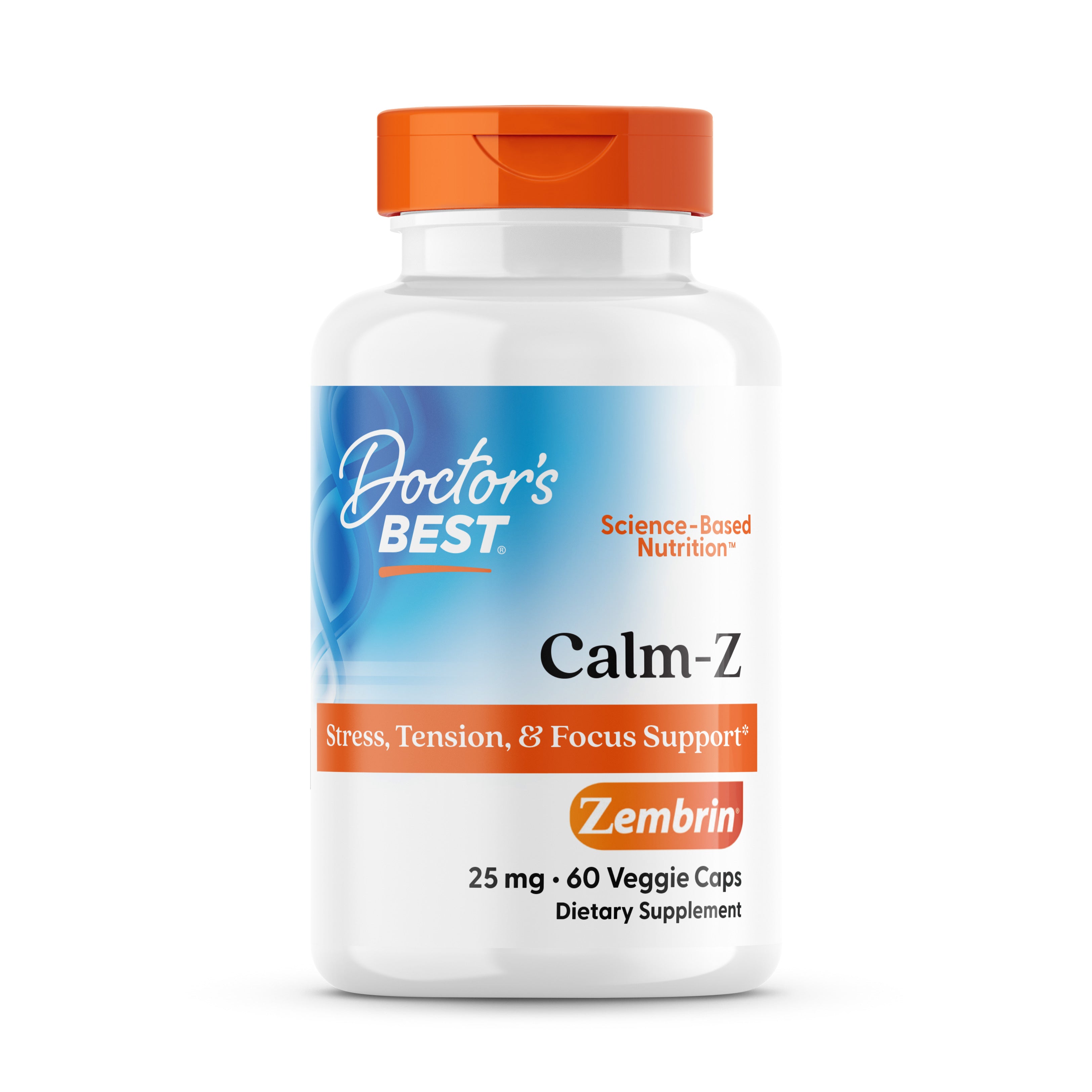
Calm-Z (Zembrin)
Doctor's Best
The one kanna extract with real published human trials behind it, at the studied 25mg dose.
A kanna extract is concentrated Sceletium tortuosum: the active alkaloids of the raw plant pulled out and condensed, so a small amount delivers what a much larger scoop of dried leaf would. Where raw whole-plant kanna is weak and variable, an extract is stronger and, when it's labeled properly, far more predictable.
The two numbers you'll see on extract labels mean very different things. An extract ratio (5:1, 50:1, 100:1, 200:1) tells you how much raw plant was concentrated. A standardization ("5% total alkaloids," "3% mesembrine") tells you the verified percentage of actives in the finished product. The second is the more reliable number, and the most-studied kanna extract of all, Zembrin, is defined by its standardization, not a ratio.
The short version
- A kanna extract is the concentrated alkaloids of the raw plant, stronger per gram, and (when labeled well) more consistent than dried leaf or powder.
- An extract ratio (5:1, 50:1, 100:1, 200:1) describes concentration: how many parts raw plant went into one part extract. Higher ratio = more potent per milligram.
- Standardization (e.g. "5% total alkaloids / 3% mesembrine") is the more reliable number, it states the verified percentage of actives, which a ratio alone never guarantees.
- Zembrin is the standardized clinical extract: a ~2:1 extract fixed to roughly 0.35 to 0.45% total alkaloids, deliberately low-mesembrine, studied at 25mg/day.
- Full-spectrum extracts keep the natural alkaloid ratio; high-mesembrine isolates concentrate one alkaloid for a stronger, more uplifting character.
- Kanna raises serotonin like an SSRI, so it shouldn't be combined with SSRIs, SNRIs, MAOIs, or other serotonergic medications without medical advice, and the more concentrated the extract, the more that caution matters.
Extract vs raw plant: what's actually different
Raw kanna is the dried, sometimes fermented, whole plant, the traditional "kougoed" the Khoisan chewed for centuries. It works, but it's weak and inconsistent: alkaloid content varies by harvest, so a serving is measured loosely in the 50 to 400mg range and two scoops are rarely identical.
An extract solves the consistency problem by pulling the active alkaloids out of the plant matter and concentrating them. The result is far stronger per gram and, if the brand discloses a percentage, far more repeatable. That's the whole appeal: instead of guessing with bitter powder, you dose a known quantity of actives. The trade-off is that potency now lives in a number on the label, so reading that number correctly is the entire skill. For a format-by-format breakdown of how those doses scale, see our kanna dosage guide.
Extract ratios decoded (5:1, 50:1, 100:1, 200:1)
A ratio like 100:1 means roughly 100 parts raw plant were concentrated into 1 part extract. The bigger the first number, the more compressed, and the smaller your dose needs to be. A 5:1 is a gentle concentration you might measure in tens or hundreds of milligrams; a 200:1 is a serious concentrate measured by the milligram on a scale.
The catch: a ratio is not a guaranteed alkaloid percentage. Because raw-material potency varies between harvests, two 100:1 extracts from different batches can differ in actual strength. A ratio is an honest strength signal, but it's an approximation, not a verified figure. Here's the practical reference:
| Extract type | What the number means | Typical potency | Typical use |
|---|---|---|---|
| Zembrin (standardized ~2:1) | ~0.35 to 0.45% total alkaloids, low-mesembrine | Gentle, clinically studied | Beginners; the 25mg/day studied dose |
| Standardized extract (5% total / 3% mesembrine) | Verified % of actives, full-spectrum | Moderate, repeatable | Daily users wanting a known dose |
| 5:1 to 50:1 ratio | 5 to 50 parts plant per part extract | Mild to strong (varies by batch) | Stepping up from raw powder |
| 100:1 ratio | ~100 parts plant per part extract | Strong; weigh by the milligram | Experienced users, value concentrate |
| 200:1 / 200x ratio | ~200 parts plant per part extract | Very strong | Experienced users only |
| High-mesembrine isolate (e.g. MT55) | 5%+ alkaloids skewed to mesembrine | Very strong, uplifting | Scale-owning, experienced users |
When a product gives both a ratio and a standardization, trust the standardization. When it only gives a ratio, treat it as strong-but-approximate and dose conservatively. Our best kanna extracts guide ranks the real products on exactly these disclosures.
Standardization: the number that actually predicts potency
Standardization means the extract is manufactured to contain a fixed, stated percentage of active alkaloids, for example "5% total alkaloids" or "3% mesembrine." Unlike a ratio, this is a verified figure that holds batch to batch, which is why it's the more reliable measure of how potent an extract really is.
Two percentages matter. Total alkaloids tells you the overall strength of the active fraction. Mesembrine percentage tells you the character: mesembrine is kanna's most potent serotonin-transporter alkaloid, so a high-mesembrine extract reads more stimulating and uplifting, while a low-mesembrine, mesembrenone-forward extract reads calmer. As Harvey et al. (2011) documented, kanna's effect comes from a dual mechanism, mesembrine is the strongest serotonin-reuptake inhibitor and mesembrenone the strongest PDE4 inhibitor, so the alkaloid mix, not just the total, shapes what you feel.
Zembrin: the standardized clinical extract
If one extract has earned a definition all its own, it's Zembrin. It's a roughly 2:1 extract standardized to about 0.35 to 0.45% total alkaloids and deliberately formulated to be low in mesembrine and forward in mesembrenone, a calmer, gentler profile than the high-mesembrine concentrates. Nearly every human clinical study on kanna used Zembrin at a 25mg daily dose.
That's why it anchors the whole category. In a 2013 brain-imaging study, a single 25mg dose of Zembrin measurably reduced amygdala reactivity to fearful faces (Terburg et al., 2013, n=16). A 3-week trial found 25mg/day improved cognitive flexibility versus placebo (Chiu et al., 2014, n=21). And a 3-month placebo-controlled RCT in 37 adults found both 8mg and 25mg daily doses well-tolerated, with no significant changes in vitals or blood chemistry (Nell et al., 2013).
For a deeper look at the patented extract itself, see our Zembrin explainer, and for the plant it's made from, our guide to Sceletium tortuosum.
Supplement note: kanna and Zembrin are sold as botanical supplements. These statements have not been evaluated by the FDA, and kanna is not intended to diagnose, treat, cure, or prevent any disease.
Full-spectrum vs high-mesembrine isolate
Two extracts at the same total-alkaloid percentage can still feel different, because of how the alkaloids are balanced.
A full-spectrum extract preserves the plant's natural ratio, mesembrine, mesembrenone, mesembrenol and the rest in roughly the proportions kanna grows them. That keeps the complete dual mechanism intact and tends to read as a rounded, balanced effect. A standardized full-spectrum extract (say, 5% total alkaloids / 3% mesembrine) gives you both a known dose and the whole profile.
A high-mesembrine isolate or concentrate deliberately skews toward mesembrine, products like LiftMode's MT55 push 5%+ alkaloids weighted heavily to mesembrine. Because mesembrine is the strongest serotonin-transporter alkaloid, these read as more stimulating and uplifting, and they're more potent per milligram, which is exactly why they demand a milligram scale and experience.
The safety line that scales with concentration
The more concentrated an extract, the more a small dosing error matters, and the more the one mechanism-based caution matters too. Because kanna acts on serotonin much like an SSRI does:
Side effects are generally mild and more likely at higher doses: headache, nausea, appetite loss, and occasional dizziness or drowsiness. With any ratio extract above about 50:1, a milligram scale is the basic safety equipment. None of this is medical advice, if you take prescription medication or have a health condition, talk to a clinician before trying kanna.
How we chose
This explainer draws on the published kanna pharmacology (Harvey et al. 2011) and the Zembrin clinical literature (Terburg 2013, Chiu 2014, Nell 2013) plus the standardization and ratio specs that real brands disclose. We don't run our own assays, when we describe how potent or consistent an extract is, we mean what the label, COA, and published research state.
Effects are described experientially, what users and the published research commonly report, never as medical outcomes. The human clinical base for kanna is small (n=16 to 37), short, and mostly on one standardized extract; concentrated ratio extracts are well beyond anything formally studied, so "stronger" means more potent per milligram, not better-evidenced.
Key terms
- Kanna extract
- Concentrated Sceletium tortuosum, the plant's active alkaloids pulled out and condensed so a small amount delivers what a much larger scoop of raw leaf would.
- Extract ratio (e.g. 100:1)
- How many grams of raw plant were reduced into one gram of finished extract. A strength signal, but not a guaranteed alkaloid percentage, raw-material potency varies by batch.
- Standardization
- Manufacturing an extract to a fixed, stated percentage of actives (e.g. 5% total alkaloids, 3% mesembrine). More reliable than a ratio because it's verified and consistent batch to batch.
- Full-spectrum
- An extract that preserves the plant's natural alkaloid ratio rather than isolating one, keeping the complete dual serotonin/PDE4 mechanism intact.
- High-mesembrine isolate
- An extract concentrated toward mesembrine, kanna's most potent serotonin-transporter alkaloid, stronger per milligram and more uplifting in character.
- Mesembrine
- Kanna's most potent serotonin-transporter alkaloid. Its percentage is the dial for character: more mesembrine skews uplifting, less skews calm.
Questions, answered
What is kanna extract?
Kanna extract is concentrated Sceletium tortuosum, the active alkaloids of the raw South African plant pulled out and condensed into a stronger, more consistent product. A small amount of extract delivers what a much larger scoop of dried leaf would, which makes dosing more predictable when the extract states its potency.
What does a kanna extract ratio like 50:1 or 100:1 mean?
It's a concentration ratio: roughly that many parts raw plant were processed into one part extract, so 100:1 is stronger than 50:1. But a ratio is not a guaranteed alkaloid percentage, raw-material potency varies between batches. A stated standardization (e.g. "5% total alkaloids" or "3% mesembrine") is a more reliable measure of how potent an extract actually is.
What does standardized kanna extract mean?
It means the extract is made to contain a fixed, stated percentage of active alkaloids, for example 5% total alkaloids or 3% mesembrine. Unlike a ratio, that percentage is verified and holds batch to batch, so the dose actually means something. The most-studied kanna, Zembrin, is standardized to roughly 0.35 to 0.45% total alkaloids.
Is Zembrin the same as regular kanna extract?
Zembrin is a specific, patented standardized kanna extract, a ~2:1 extract fixed to about 0.35 to 0.45% total alkaloids and deliberately low in mesembrine. It's the extract used in nearly all the human clinical research at a 25mg daily dose. Generic "kanna extract" can be anything from a gentle standardized tablet to a 200:1 concentrate, so the label is everything.
Full-spectrum or high-mesembrine, which kanna extract is better?
Neither is universally better; they're different tools. Full-spectrum extracts keep the plant's natural alkaloid ratio for a rounded, balanced effect, and the best ones are also standardized. High-mesembrine isolates concentrate one alkaloid for a stronger, more uplifting character, potent per milligram and best for experienced users. Pick by the profile you want, not just the strength.
References
The human research on kanna is genuine but small, a handful of trials, mostly on the standardized Zembrin extract. These are the primary sources we cite, linked so you can read them yourself.
- 1.Harvey AL, Young LC, Viljoen AM, Gericke NP (2011). Pharmacological actions of the South African medicinal and functional food plant Sceletium tortuosum and its principal alkaloids. Journal of Ethnopharmacology. Identified kanna's dual mechanism, serotonin-reuptake inhibition (5-HT transporter) and PDE4 inhibition, in vitro. PubMed · DOI
- 2.Terburg D, Syal S, Rosenberger LA, et al. (2013). Acute effects of Sceletium tortuosum (Zembrin), a dual 5-HT reuptake and PDE4 inhibitor, in the human amygdala and its connection to the hypothalamus. Neuropsychopharmacology. A single 25 mg dose of standardized extract reduced amygdala reactivity to fearful faces on fMRI (n=16). PubMed · DOI
- 3.Chiu S, Gericke N, Farina-Woodbury M, et al. (2014). Proof-of-Concept Randomized Controlled Study of Cognition Effects of the Proprietary Extract Sceletium tortuosum (Zembrin) Targeting Phosphodiesterase-4 in Cognitively Healthy Subjects. Evidence-Based Complementary and Alternative Medicine. A 3-week randomized study (n=21) reported improved cognitive set flexibility and executive function vs placebo. PubMed · DOI
- 4.Nell H, Siebert M, Chellan P, Gericke N (2013). A randomized, double-blind, parallel-group, placebo-controlled trial of Extract Sceletium tortuosum (Zembrin) in healthy adults. Journal of Alternative and Complementary Medicine. A 3-month placebo-controlled trial (n=37) found 8 mg and 25 mg/day were well-tolerated, with no significant changes in vitals or blood chemistry. PubMed · DOI
Keep reading
The Best Kanna Extracts, Ranked by Potency & Purity
The real standardized tablets, powders, and concentrates, ranked on disclosed alkaloid content and value.
Zembrin: The Standardized Clinical Kanna Extract
What the patented extract is, the studies behind it, and how it differs from concentrates.
Sceletium tortuosum: The Plant Behind Kanna
The botany, tradition, and alkaloids of the succulent kanna is made from.
Kanna Dosage Guide: How Much to Take
How extract doses scale by format, with onset, duration, and a start-low method.