Our Pick: Doctor's Best
Check price →How Kanna Extract Is Made: From Raw Plant to Standardized Dose (2026)
How raw Sceletium tortuosum becomes a concentrated extract, what a concentration ratio like 50:1 or 100:1 actually means, why a standardized extract that guarantees an alkaloid percentage is more reliable, and how Zembrin is produced for deliberate consistency.
By Justin Park · 9 min · Updated 2026-07-02
★ Top-Rated Kanna Right Now
Best Overall
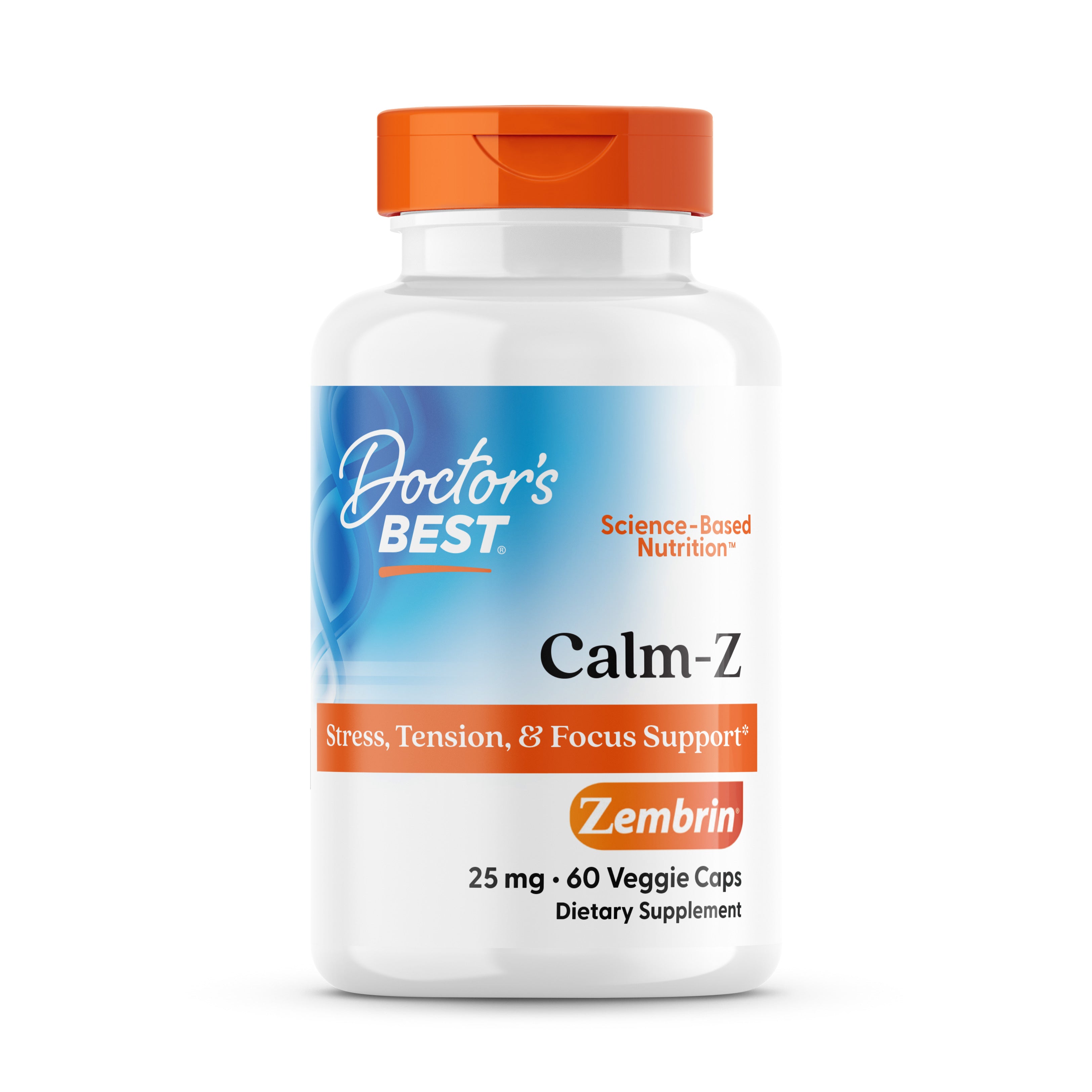
Calm-Z (Zembrin)
Doctor's Best
The one kanna extract with real published human trials behind it, at the studied 25mg dose.
Kanna extract is made by concentrating the raw Sceletium tortuosum plant: the plant's active alkaloids are pulled out of the leaf and stem material, usually with a water or solvent extraction, and condensed so that a small amount carries what a much larger scoop of dried plant would. Traditionally the plant was fermented into kougoed and chewed; modern extraction swaps that pit for a controlled process that ends in a measured powder, capsule, or liquid. The goal is the same in both eras: get the mesembrine-type alkaloids into a usable, repeatable dose.
The number on the label decides how much you can trust that dose. A concentration ratio (50:1, 100:1) tells you how much raw plant went into the extract, which is a real strength signal but not a guaranteed potency. A standardized extract goes one step further and guarantees a stated alkaloid or mesembrine percentage that holds batch to batch. That single difference, ratio versus standardization, is why some extracts let you compute an honest cost per standardized dose and others do not, and it is why the most-studied kanna of all, Zembrin, is defined by its standardization rather than a ratio.
The short version
- Kanna extract is made by concentrating raw Sceletium tortuosum: the alkaloids are extracted from the plant (typically with water or a solvent) and condensed into a stronger, smaller dose.
- A concentration ratio (50:1, 100:1) tells you how many parts raw plant were reduced into one part extract. Higher ratio means more concentrated per milligram, but it is not a guaranteed potency.
- A standardized extract guarantees a stated percentage of actives (e.g. "5% total alkaloids" or "3% mesembrine") that holds batch to batch. That is the number that actually predicts potency.
- Standardization is what controls batch-to-batch consistency, and consistency is exactly what makes a real cost per standardized dose computable in the first place.
- Zembrin is produced deliberately as a low-mesembrine, mesembrenone-forward standardized extract (a ~2:1 extract fixed to roughly 0.35 to 0.45% total alkaloids), which is why nearly all the clinical research used it at 25mg/day.
- Kanna raises serotonin like an SSRI, so no extract should be combined with SSRIs, SNRIs, MAOIs, or other serotonergic medications without medical advice, and the more concentrated the extract, the more that caution matters.
The short answer: how kanna extract is made
Kanna extract is made by concentrating the raw plant. Sceletium tortuosum leaf and stem material is processed, usually with a water or solvent extraction, to pull the active mesembrine-type alkaloids out of the plant matter, and the resulting liquid is reduced and dried into a concentrated powder that can then be capped, dissolved into a tincture, or set into a gummy or chew. Every kanna extract, gentle or potent, is some version of that same idea: less plant, more actives per milligram.
Before modern extraction, the plant was prepared by hand: the San and Khoisan peoples of South Africa fermented the crushed plant into kougoed and chewed it. That is authentic but unstandardized. For the traditional-to-modern arc in full, see our kanna preparation methods guide; this page is about how the modern extract itself is produced and, crucially, what its label numbers mean.
Step one: the raw plant and traditional fermentation
Everything starts with Sceletium tortuosum, a succulent in the family Aizoaceae native to South Africa. The raw whole plant is low and variable in total alkaloid content, which is why a traditional serving is measured loosely in the 50 to 400mg range and two scoops are rarely the same strength.
The traditional processing step is fermentation: the crushed plant is bruised and sealed to sweat for a period before drying, producing kougoed (also written channa), which is then chewed as a quid or ground for snuff. Fermentation was believed to change the plant's character, and it does appear to shift the balance of the mesembrine-type alkaloids, which is a real change to the raw material. But a hand-fermented batch is not standardized to anything, so the traditional preparation is authentic and imprecise. Modern extraction exists precisely to replace that variability with a measured, repeatable process.
Step two: modern extraction (concentrating the alkaloids)
Modern kanna extract is made by extraction: the alkaloids are drawn out of the plant material into a liquid and then concentrated. In practice that means a water or solvent extraction (water, ethanol, or a similar food-grade solvent) that dissolves the actives out of the milled plant, followed by filtration and evaporation that removes the bulk fiber and reduces the extract down to a concentrated fraction. What is left is far richer in alkaloids per gram than the leaf it came from.
That concentrated fraction is the base for every finished format. Dried to a powder, it can be encapsulated, pressed into quick-dissolve tablets, dissolved into an alcohol or glycerin tincture, or dosed into gummies and chews. The extraction is the step that creates the potency; the packaging is just how that potency gets delivered.
Concentration ratios: what 50:1 and 100:1 actually mean
A concentration ratio is the most common number on an extract label. A ratio like 100:1 means roughly 100 parts raw plant were concentrated into 1 part extract. The bigger the first number, the more compressed the extract and the smaller your dose needs to be: a 50:1 is strong, a 100:1 is stronger, and a 200:1 concentrate is measured by the milligram on a scale.
Here is the part most labels do not spell out. A ratio tells you concentration, not potency. Because the raw plant varies in alkaloid content from harvest to harvest, two 100:1 extracts made from different batches of plant can contain different actual amounts of active alkaloid. The ratio is an honest strength signal, but it is an approximation, not a verified figure.
So a ratio alone is useful for one thing: knowing to dose small and carefully. It is not enough, on its own, to compare two extracts fairly or to know what a single milligram delivers. For the full decode of ratios versus percentages, see what is kanna extract.
Standardization: the number that guarantees potency
A standardized extract is manufactured to contain a fixed, stated percentage of active alkaloids, for example "5% total alkaloids" or "3% mesembrine." Unlike a ratio, this is a verified figure that the maker holds constant from batch to batch, which is exactly why it is the more reliable measure of how potent an extract really is. A published per-batch certificate of analysis (COA) is how you confirm the stated percentage is real.
Two percentages carry the meaning. Total alkaloids tells you the overall strength of the active fraction. Mesembrine percentage tells you the character, because as Harvey et al. (2011) documented in the Journal of Ethnopharmacology, kanna works through a dual mechanism: mesembrine is the most potent serotonin-reuptake alkaloid and mesembrenone the strongest PDE4 inhibitor. A high-mesembrine extract reads more stimulating and uplifting; a low-mesembrine, mesembrenone-forward extract reads calmer. The alkaloid mix, not just the total, shapes what you feel.
| Label | What it tells you | What it does NOT tell you | Reliability |
|---|---|---|---|
| Ratio only (e.g. 100:1) | How concentrated: parts raw plant per part extract | The actual alkaloid percentage (varies by plant batch) | Strength signal, approximate |
| Standardized (e.g. 5% total alkaloids / 3% mesembrine) | The verified percentage of actives, and its character | Little, if the COA backs it up | High, consistent batch to batch |
| Ratio + standardization | Both concentration and verified potency | Nothing meaningful; this is the fullest disclosure | Highest; trust the standardization |
What standardization controls (and why cost per dose only works with it)
The practical payoff of standardization is batch-to-batch consistency. When an extract is fixed to a stated percentage of alkaloids, the capsule you buy this month contains the same actives as the one you bought last month. A ratio extract makes no such promise, so its real strength can drift between batches even when the number on the front stays the same.
That consistency is what makes an honest cost per standardized dose computable at all. If you know a serving reliably delivers, say, a fixed amount of standardized extract, you can divide the price by the number of those servings and compare products fairly. With a ratio-only extract, you can compute cost per gram, but not cost per known dose of actives, because the actives per gram are not guaranteed. This is why our best kanna extracts guide ranks products on disclosed alkaloid content and standardization, not on ratio alone.
How Zembrin is produced: consistency by design
The clearest example of standardization done deliberately is Zembrin. It is a roughly 2:1 extract standardized to about 0.35 to 0.45% total alkaloids, and it is formulated on purpose to be low in mesembrine and forward in mesembrenone, a calmer, gentler profile than the high-mesembrine concentrates. In other words, Zembrin is not chasing the highest ratio; it is engineered for a consistent, reproducible alkaloid profile, batch after batch.
That deliberate consistency is exactly why Zembrin anchors the clinical literature. Nearly every human study on kanna used Zembrin at a 25mg daily dose. A 3-month placebo-controlled RCT in 37 adults found both 8mg and 25mg daily doses well-tolerated, with no significant changes in vitals or blood chemistry (Nell et al., 2013). Earlier work found a single 25mg dose reduced amygdala reactivity to fearful faces (Terburg et al., 2013, n=16) and that 25mg/day improved cognitive flexibility versus placebo over three weeks (Chiu et al., 2014, n=21). You can only run studies like those on an extract whose potency does not wander, which is the whole point of standardizing it.
For the patented extract in depth, see our Zembrin explainer, and for the alkaloid that sets an extract's character, our guide to mesembrine.
Supplement note: kanna and Zembrin are sold as botanical supplements. These statements have not been evaluated by the FDA, and kanna is not intended to diagnose, treat, cure, or prevent any disease.
The safety line that scales with concentration
The more an extraction concentrates the plant, the more a small dosing error matters, and the more the one mechanism-based caution matters too. Because kanna acts on serotonin much like an SSRI does:
Side effects across extracts are generally mild and more likely at higher doses: headache, nausea, appetite loss, and occasional dizziness or drowsiness. With any ratio extract above about 50:1, a milligram scale is the basic safety equipment. None of this is medical advice; if you take prescription medication or have a health condition, talk to a clinician before trying kanna.
How we chose
This explainer draws on the documented ethnobotany of Sceletium tortuosum (the traditional fermented kougoed preparation), the published pharmacology (Harvey et al. 2011), and the Zembrin clinical literature (Terburg 2013, Chiu 2014, Nell 2013), plus the ratio and standardization specs that real brands disclose. We do not run our own assays; when we describe how potent or consistent an extract is, we mean what the label, the per-batch certificate of analysis (COA), and the published research state.
Effects are described experientially, what users and the published research commonly report, never as medical outcomes. The human clinical base for kanna is small (n=16 to 37), short, and mostly on one standardized extract; concentrated ratio extracts are well beyond anything formally studied, so "stronger" means more potent per milligram, not better-evidenced.
Key terms
- Extraction
- The process of drawing kanna's active alkaloids out of the raw Sceletium tortuosum plant into a liquid (typically a water or solvent extraction), then filtering and concentrating that liquid into a stronger extract.
- Concentration ratio (e.g. 100:1)
- How many parts raw plant were reduced into one part extract. A strength signal, but not a guaranteed alkaloid percentage, because raw-material potency varies by batch.
- Standardization
- Manufacturing an extract to a fixed, stated percentage of actives (e.g. 5% total alkaloids, 3% mesembrine). More reliable than a ratio because it is verified and holds consistent batch to batch.
- Certificate of analysis (COA)
- A per-batch lab document confirming an extract actually contains its stated alkaloid percentage. The way you verify a standardization claim is real rather than just printed.
- Zembrin
- A patented ~2:1 kanna extract standardized to roughly 0.35 to 0.45% total alkaloids and deliberately low in mesembrine, produced for consistency and used in nearly all the clinical research at 25mg/day.
Questions, answered
How is kanna extract made?
Kanna extract is made by concentrating the raw Sceletium tortuosum plant. The milled plant is put through a water or solvent extraction that dissolves out its active mesembrine-type alkaloids, then the liquid is filtered and evaporated to remove the bulk fiber and reduce it into a concentrated fraction. That concentrate is dried to a powder and then capped, dissolved into a tincture, or dosed into gummies and chews.
What does a kanna extract ratio like 50:1 or 100:1 mean?
It is a concentration ratio: roughly that many parts raw plant were reduced into one part extract, so a 100:1 is more concentrated than a 50:1. But a ratio tells you concentration, not potency. Because the raw plant's alkaloid content varies by harvest, two 100:1 extracts can differ in actual strength. A stated standardization (such as 5% total alkaloids) is the more reliable measure of how potent an extract really is.
Does a higher ratio mean a stronger, better kanna extract?
A higher ratio does mean more concentrated per milligram, so you dose smaller. But it does not guarantee more actual alkaloid, and it says nothing about the alkaloid balance that shapes the effect. A standardized extract with a stated alkaloid and mesembrine percentage is a more trustworthy measure of strength than a bare ratio, which is why standardization, not ratio, is the number to compare.
What is a standardized kanna extract, and why does it matter?
A standardized extract is made to contain a fixed, stated percentage of active alkaloids (for example 5% total alkaloids or 3% mesembrine), verified by a per-batch certificate of analysis. It matters because that consistency is what keeps every dose the same, which is the only way you can compute an honest cost per standardized dose and compare products fairly. The most-studied kanna, Zembrin, is standardized rather than ratio-labeled.
How is Zembrin made differently from other kanna extracts?
Zembrin is a patented standardized extract produced for deliberate consistency: a roughly 2:1 extract fixed to about 0.35 to 0.45% total alkaloids and intentionally low in mesembrine, forward in mesembrenone, for a calmer profile. Rather than chasing the highest ratio, it is engineered to hold the same alkaloid profile batch to batch, which is exactly what made it possible to study at a 25mg daily dose in the published clinical trials.
References
The human research on kanna is genuine but small, a handful of trials, mostly on the standardized Zembrin extract. These are the primary sources we cite, linked so you can read them yourself.
- 1.Harvey AL, Young LC, Viljoen AM, Gericke NP (2011). Pharmacological actions of the South African medicinal and functional food plant Sceletium tortuosum and its principal alkaloids. Journal of Ethnopharmacology. Identified kanna's dual mechanism, serotonin-reuptake inhibition (5-HT transporter) and PDE4 inhibition, in vitro. PubMed · DOI
- 2.Terburg D, Syal S, Rosenberger LA, et al. (2013). Acute effects of Sceletium tortuosum (Zembrin), a dual 5-HT reuptake and PDE4 inhibitor, in the human amygdala and its connection to the hypothalamus. Neuropsychopharmacology. A single 25 mg dose of standardized extract reduced amygdala reactivity to fearful faces on fMRI (n=16). PubMed · DOI
- 3.Chiu S, Gericke N, Farina-Woodbury M, et al. (2014). Proof-of-Concept Randomized Controlled Study of Cognition Effects of the Proprietary Extract Sceletium tortuosum (Zembrin) Targeting Phosphodiesterase-4 in Cognitively Healthy Subjects. Evidence-Based Complementary and Alternative Medicine. A 3-week randomized study (n=21) reported improved cognitive set flexibility and executive function vs placebo. PubMed · DOI
- 4.Nell H, Siebert M, Chellan P, Gericke N (2013). A randomized, double-blind, parallel-group, placebo-controlled trial of Extract Sceletium tortuosum (Zembrin) in healthy adults. Journal of Alternative and Complementary Medicine. A 3-month placebo-controlled trial (n=37) found 8 mg and 25 mg/day were well-tolerated, with no significant changes in vitals or blood chemistry. PubMed · DOI
Keep reading
What Is Kanna Extract? Ratios, Standardization & Types
The decode of extract ratios versus standardization, and why the percentage is the number to trust.
The Best Kanna Extracts, Ranked by Potency & Purity
The real standardized tablets, powders, and concentrates, ranked on disclosed alkaloid content and value.
Kanna Preparation Methods: Traditional to Modern
The full arc from fermented kougoed to modern standardized extracts, compared on dose control and onset.
Mesembrine: Kanna's Signature Alkaloid
The most potent serotonin-transporter alkaloid, and the dial that sets an extract's character.
Zembrin: The Standardized Clinical Kanna Extract
What the patented extract is, how it is produced for consistency, and the studies behind it.