Our Pick: Doctor's Best
Check price →Is Kanna Safe During Pregnancy? What the Evidence Says (and Doesn't)
There's almost no research on kanna during pregnancy or breastfeeding, and that absence is exactly why the cautious, honest answer is to avoid it. Here's the evidence, without judgment or scare tactics.
By Justin Park · ~7 min read · Updated 2026-06-23
★ Top-Rated Kanna Right Now
Best Overall
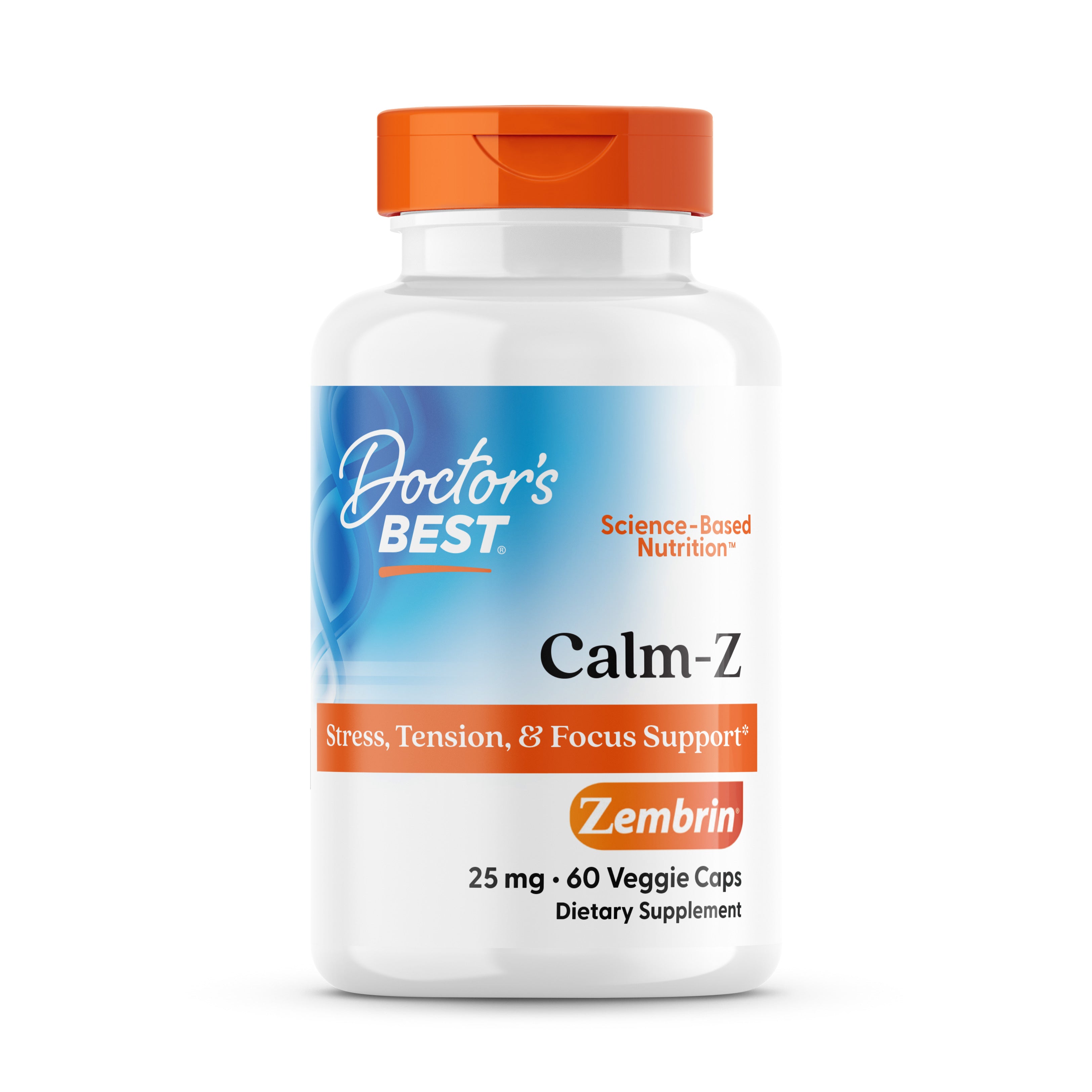
Calm-Z (Zembrin)
Doctor's Best
The one kanna extract with real published human trials behind it, at the studied 25mg dose.
Here's the honest answer up front: there is essentially no research on kanna (Sceletium tortuosum) during pregnancy or breastfeeding, and because of that gap, combined with the fact that kanna acts on serotonin, the responsible, widely-shared default is to avoid kanna if you're pregnant, trying to become pregnant, or breastfeeding. Not because kanna has been shown to cause harm; it simply hasn't been studied enough in this context to show anything either way. And when the unknowns are this big and the stakes are a pregnancy, 'we don't know' is a good reason to wait.
We want to be careful and kind here, because this is a topic where the internet tends to either fear-monger or hand out reassurance it hasn't earned. We're going to do neither. We'll lay out what's actually known (not much), why the cautious answer follows from that, and what to do if you're reading this because you already took kanna before you knew you were pregnant, which is a calm conversation with your provider, not a reason to panic.
One important note on what this page is: general information from a kanna publication, written by writers, not doctors or midwives. It is not medical advice, and it can't account for your specific situation. The single best thing you can do is talk to your OB-GYN, midwife, or pharmacist, who knows your history and can give you real, personalized guidance. If you're struggling with your mental health during pregnancy or postpartum, you deserve support, the 988 Suicide & Crisis Lifeline is available any time at 988, and your provider can connect you with care that's safe for this stage of life.
The short version
- There is essentially no published research on kanna in pregnancy or breastfeeding, so no one can honestly call it safe, and that lack of evidence is the whole point.
- The cautious, responsible default that careful sources share is to avoid kanna while pregnant, trying to conceive, or breastfeeding.
- This is a precaution based on missing data and on kanna's effect on serotonin, not a record of proven harm. Both things are true, and we won't overstate it in either direction.
- If you took kanna before you knew you were pregnant, don't panic. Tell your OB-GYN or midwife so they can advise you; one-off exposures are a common, manageable conversation.
- Pregnancy and postpartum mood struggles are real and treatable. Please don't self-treat with kanna, there are options your provider can offer that are appropriate for this stage.
- Talk to your OB-GYN, midwife, or pharmacist before taking any supplement during pregnancy or breastfeeding. This page is information, not medical advice.
What's actually known: very little
Let's be straight about the evidence, because it's short. The human research on kanna is already small and recent, a handful of studies, mostly on one standardized extract, in healthy non-pregnant adults. When you narrow that to pregnancy or breastfeeding, there essentially isn't any. There are no clinical trials in pregnant people, no established data on whether kanna's alkaloids cross the placenta, and no data on whether they pass into breast milk.
That's not unusual. Pregnant and breastfeeding people are, for good ethical reasons, rarely included in early supplement research, so most botanicals carry the same blank space. But a blank space is exactly that: not a green light, and not proof of danger. It's an honest 'we don't know,' and during pregnancy that uncertainty carries more weight than it would at any other time.
Why the cautious answer is 'avoid'
Two things push the responsible default toward avoiding kanna during pregnancy and breastfeeding. The first is the missing data above. The second is mechanism: kanna raises serotonin, the same broad system that prescription antidepressants act on. Serotonin isn't just a 'mood chemical', it plays roles in development too, which is part of why doctors weigh antidepressant use in pregnancy so carefully, balancing real benefits against considerations on a case-by-case basis with a patient's full history.
Kanna doesn't come with any of that clinical oversight, dosing precision, or evidence base. It's an unstudied botanical with a serotonin mechanism and variable potency between products. Stack those together and you get a clear, conservative conclusion that careful sources converge on: during pregnancy, trying to conceive, and breastfeeding, the sensible move is to set kanna aside until you're past this stage and can revisit it with your provider.
If you already took kanna before you knew
If you found this page because you used kanna before you realized you were pregnant, take a breath. This is a common situation, and the right response is information, not alarm. A one-time or short exposure to many substances early on is something providers field all the time, and the constructive step is simply to tell yours.
Let your OB-GYN or midwife know what you took, roughly how much, and when. They can put it in the context of your specific pregnancy and tell you whether anything beyond normal monitoring is warranted, which, for most one-off exposures, it isn't. What helps them most is honesty; what doesn't help is spiraling alone with a search bar. You haven't done something unforgivable. You've found out new information, and now you get to act on it.
If you're reading this because of anxiety, low mood, or sleep
A lot of people look into kanna during pregnancy for an understandable reason: pregnancy and the postpartum period can be genuinely hard on mood, anxiety, and sleep, and kanna is marketed around exactly those experiences. If that's you, please hear this clearly, what you're feeling is real and common, and it is treatable. The answer just isn't an unstudied supplement.
Your OB-GYN, midwife, or a maternal mental-health provider can talk through options that are appropriate for pregnancy and breastfeeding, from therapy to approaches with an actual safety track record for this stage. There's no weakness in raising it, and providers expect the conversation. If things ever feel like a crisis, the 988 Suicide & Crisis Lifeline is there 24/7 at 988. You and your baby both deserve care that's been thought through, not improvised.
Trying to conceive, and breastfeeding
The same caution extends on both sides of pregnancy. If you're actively trying to conceive, it's reasonable to pause kanna and discuss it with your provider, simply because you may be pregnant before you know it and the early weeks are a sensitive window. There's no need to be dramatic about it, just fold it into the same conversation you're hopefully already having about supplements and medications while trying.
For breastfeeding, the logic mirrors pregnancy: we have no data on whether kanna's alkaloids transfer into breast milk or what that would mean for a nursing infant, so the cautious default is again to avoid it until you've weaned or until there's real evidence to lean on. As always, your provider or a lactation consultant can give you guidance tailored to you rather than a blanket rule from a web page.
Questions, answered
Is kanna safe during pregnancy?
No one can honestly say it's safe, because there's essentially no research on kanna during pregnancy. Given that gap and the fact that kanna acts on serotonin, the responsible default that careful sources share is to avoid it while pregnant. This is a precaution based on missing data, not proof of harm, but during pregnancy, an honest 'we don't know' is a good reason to wait. Talk to your OB-GYN or midwife.
I took kanna before I knew I was pregnant, should I worry?
Try not to panic. One-off or short exposures before you knew are a common situation that providers handle routinely. The constructive step is to tell your OB-GYN or midwife what you took, how much, and when, so they can advise you in the context of your specific pregnancy. For most early, one-time exposures, that's a reassuring conversation rather than an alarming one.
Can I take kanna while breastfeeding?
The cautious answer is no. There's no data on whether kanna's alkaloids pass into breast milk or how they might affect a nursing infant, so the responsible default is to avoid it until you've weaned. A lactation consultant or your provider can give you guidance tailored to your situation.
Why isn't there research on kanna and pregnancy?
Pregnant and breastfeeding people are, for sound ethical reasons, rarely included in early supplement research, so most botanicals, not just kanna, carry the same blank space. The honest takeaway is that the absence of studies means we lack evidence of safety, which is exactly why caution is warranted rather than reassurance.
I'm struggling with anxiety or low mood while pregnant. Can kanna help?
Please don't use kanna for this. Pregnancy and postpartum mood struggles are real, common, and treatable, but with approaches your provider can offer that are appropriate for this stage, not an unstudied supplement. Raise it with your OB-GYN, midwife, or a maternal mental-health provider; they expect the conversation. In a crisis, call or text 988 any time.
Keep reading
Kanna Side Effects: The Honest Breakdown
What kanna can and can't do, and the safety lines that override the dose.
Kanna and Antidepressants (SSRIs)
Why kanna's serotonin mechanism means real caution with some medications.
Is Kanna Legal?
The honest, current answer on kanna's legal status.
What Is Kanna?
The plant, its alkaloids, and what the research actually shows.
Kanna Dosage Guide
How much kanna to take by format, for when it's the right time.