Our Pick: Doctor's Best
Check price →Kanna Alkaloids: The Full Sceletium Profile, Explained
Kanna's effects come from a family of mesembrine-type alkaloids, not a single active. Here is the whole profile, what each one does, and why the ratio between them, not just the total content, is what really shapes a product's character.
By Justin Park · ~10 min · Updated 2026-07-02
★ Top-Rated Kanna Right Now
Best Overall
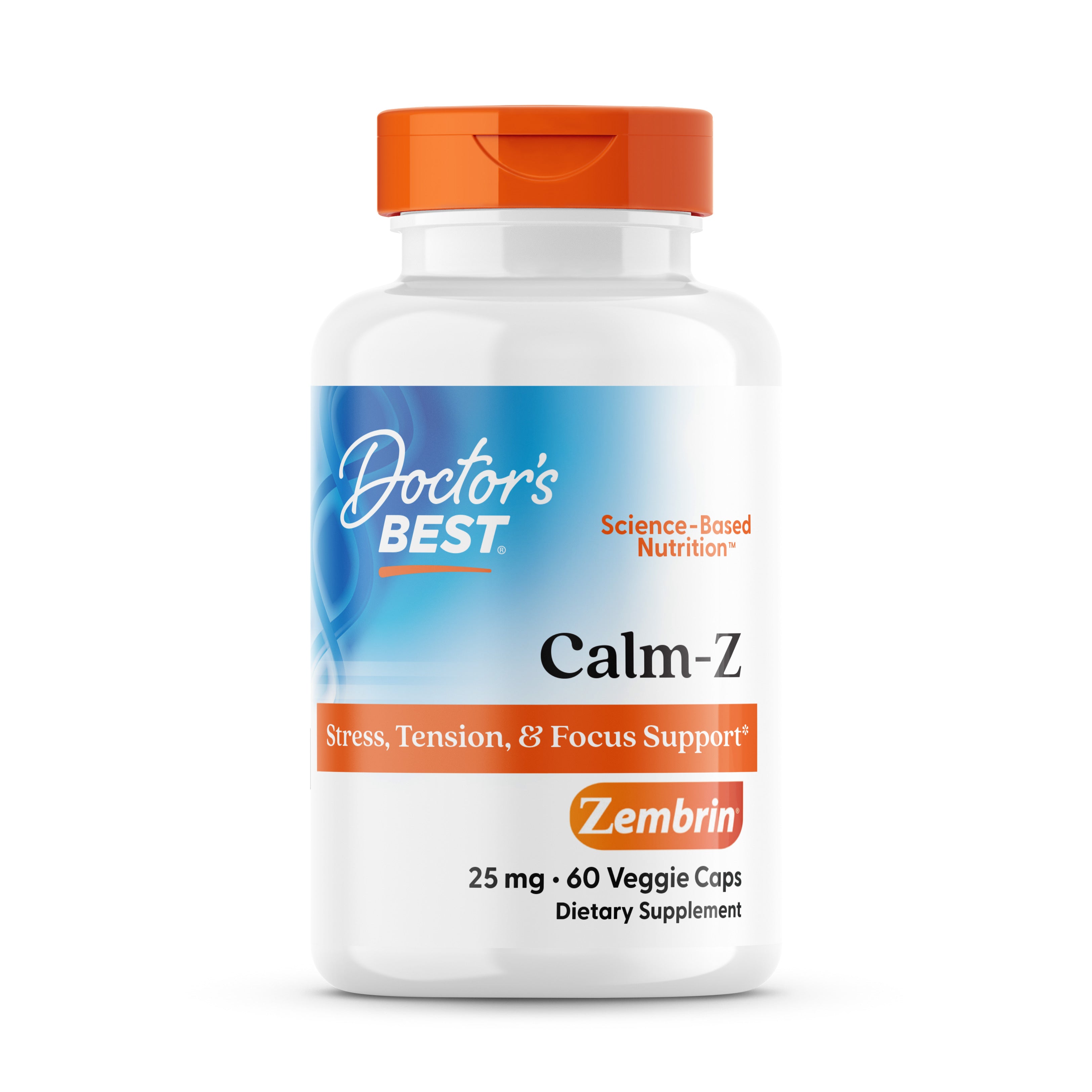
Calm-Z (Zembrin)
Doctor's Best
The one kanna extract with real published human trials behind it, at the studied 25mg dose.
Kanna does not have one active ingredient. Its effects come from a family of related compounds called mesembrine-type alkaloids, and the four most-discussed are mesembrine, mesembrenone, mesembrenol, and mesembranol, with Δ7-mesembrenone rounding out the mix. Per Harvey and colleagues (2011), mesembrine is the most potent serotonin-transporter (SERT) inhibitor of the group and mesembrenone is the strongest PDE4 inhibitor, which is why kanna acts on two pathways at once rather than one.
This is the overview page for that whole profile, the reference that ties together our dedicated write-ups on the two headline molecules. What the alkaloid family is, which members matter and what each does, and the single most useful idea in the whole subject: the RATIO between these alkaloids, not just the total alkaloid content, is what makes two products that both say "kanna extract" feel meaningfully different. A mesembrine-forward extract leans uplifting; a deliberately mesembrenone-forward one like Zembrin leans calm and clear. The human clinical base behind all of this is small, short, and mostly run on Zembrin, so we cite it precisely and flag its limits.
The short version
- Kanna's activity comes from a FAMILY of mesembrine-type alkaloids, not a single active. The four most-discussed are mesembrine, mesembrenone, mesembrenol, and mesembranol, plus Δ7-mesembrenone.
- Mesembrine is the most potent serotonin-transporter (SERT) inhibitor of the group (the "uplift" driver); mesembrenone is the strongest PDE4 inhibitor and is also SERT-active (the calmer, clearer-headed driver). Both per Harvey et al. 2011.
- The RATIO of these alkaloids, not just the total content, shapes a product's character: mesembrine-forward reads more strongly serotonergic and uplifting; mesembrenone-forward (like Zembrin, by design) reads calmer and more cognitive.
- Mesembrenol and mesembranol are minor supporting alkaloids, and Δ7-mesembrenone is an additional mesembrine-type alkaloid; all shift with how the plant is grown, fermented, and extracted.
- On a label, the two numbers that matter are the total-alkaloid % and, ideally, the specific profile (mesembrine vs mesembrenone). Most brands disclose neither, which is the real transparency gap.
- Because these alkaloids raise serotonin (mesembrine strongly, mesembrenone partially), kanna must not be combined with SSRIs, SNRIs, MAOIs, or other serotonergic drugs without medical advice, and is best avoided in pregnancy.
- The human evidence is small, short, and mostly on the mesembrenone-forward Zembrin extract (Terburg 2013 n=16; Chiu 2014 n=21), promising and well-tolerated, but thin and partly industry-linked.
| Alkaloid | Primary action | Associated feel | Role in the profile |
|---|---|---|---|
| Mesembrine | Most potent serotonin-transporter (SERT) inhibitor, the serotonin-reuptake side | Warmer, more strongly serotonergic, uplifting | Principal alkaloid; the "uplift" driver and the potency number worth disclosing |
| Mesembrenone | Strongest PDE4 inhibitor in kanna (also SERT-active), the non-serotonergic side | Clearer-headed, calmer, more cognitive | The Zembrin-forward alkaloid; the "second half" of the dual mechanism |
| Mesembrenol | Minor mesembrine-type alkaloid; supporting activity, not a headline driver | Modulating / supporting | Part of the supporting cast; proportion varies between preparations |
| Mesembranol | Minor mesembrine-type alkaloid present in smaller amounts | Modulating / supporting | Supporting cast; contributes to overall character, not either pathway's driver |
| Δ7-mesembrenone | Additional mesembrine-type alkaloid, structural relative of mesembrenone | Minor / variable | Rounds out the mix; shifts with fermentation and extraction |
The main kanna (Sceletium) alkaloids: which pathway each drives and its role in the profile.
What are kanna's alkaloids? The one-sentence answer
Kanna's effects come from a family of mesembrine-type alkaloids, chiefly mesembrine, mesembrenone, mesembrenol, and mesembranol, not from a single active ingredient. That is the whole idea, and it is the sentence worth remembering: kanna is a profile, not a molecule, and understanding the profile is what lets you read a label honestly.
Chemically, these are mesembrine-type alkaloids, a family of octahydroindole compounds that give the genus Sceletium its pharmacology. Their dual action was characterized by Harvey et al. (2011) in the Journal of Ethnopharmacology: as a group they inhibit the serotonin transporter (SERT) and inhibit the enzyme PDE4, two separate targets. Which member of the family dominates a given extract is what tilts it toward one pathway or the other. The deeper walk-through of that mechanism lives in how kanna works.
The main kanna alkaloids and their roles (the table)
Four alkaloids do most of the talking in any discussion of kanna, with a fifth (Δ7-mesembrenone) rounding out the family. The table below is the at-a-glance version; the two headline molecules each get a full page of their own.
The shorthand: mesembrine is the serotonin-side, "uplift" alkaloid; mesembrenone is the PDE4-side, calmer and clearer-headed alkaloid (and is also serotonin-active, so it is not "inert" on serotonin, just tilted toward PDE4). Mesembrenol and mesembranol are the supporting cast, present in smaller amounts. For the deep dives, see mesembrine explained and mesembrenone explained.
Why the alkaloid RATIO matters more than total content
Here is the single most useful idea in the whole subject, and the reason this page exists. Because mesembrine drives the serotonin side and mesembrenone drives the PDE4 side, the ratio between them, not just the total alkaloid content, is what shapes how a product feels. Two extracts can carry the same total-alkaloid percentage and still land differently because one is mesembrine-forward and the other mesembrenone-forward.
The rule of thumb: more mesembrine leans uplifting and strongly serotonergic; more mesembrenone leans calmer, clearer-headed, and more cognitive. This is why raw plant, traditional fermented kanna (kougoed), and standardized concentrates are not interchangeable even at matched doses, they sit at different points on the ratio. It is also why a bare milligram number tells you so little: it describes the mass of powder, not the balance of the profile inside it.
Mesembrine-forward vs mesembrenone-forward (Zembrin is the case study)
The ratio is not just theory, it maps onto real products, and the cleanest case study is the most-studied extract in the world. Zembrin, the patented standardized Sceletium extract from PLT Health Solutions, is deliberately built to a mesembrenone-forward, low-mesembrine profile, commonly reported at roughly 0.35 to 0.45% total alkaloids. That is a design choice, not a shortfall: a mesembrenone-forward extract aims at a consistent, calmer, clear-headed character and a reproducible batch-to-batch spec, which is exactly what makes it usable in controlled research.
At the other end sit the mesembrine-forward grades and concentrates, high-mesembrine material that leans warmer and more strongly serotonergic. So when a study reports a result "for kanna," it really means "for this one mesembrenone-forward standardized extract at this one dose," and it does not automatically transfer to raw plant or high-mesembrine concentrates. More on the standardized extract in Zembrin explained, and on the buying side in best kanna extract.
The minor alkaloids: mesembrenol, mesembranol, Δ7-mesembrenone
Mesembrine and mesembrenone are the headline pair, but they do not act alone. Three further mesembrine-type alkaloids round out the profile:
Mesembrenol and mesembranol, supporting alkaloids present in smaller amounts; they contribute to the overall character without being the headline driver of either the serotonin or the PDE4 pathway.
Δ7-mesembrenone, an additional mesembrine-type alkaloid in the mix, a structural relative of mesembrenone whose proportion shifts with fermentation and extraction.
The proportions of all of these move with how the plant is grown, fermented (the traditional kougoed step), and extracted, which is another reason preparations are not interchangeable. The full botanical and alkaloid picture lives in the science of Sceletium tortuosum.
What a label should tell you (and why most do not)
Here is the practical payoff. When you read a kanna label, two numbers actually matter: the total-alkaloid percentage and, ideally, the specific profile, how that total splits between mesembrine and mesembrenone. A milligram figure on its own, "100mg extract per capsule," tells you the mass of powder, not the potency and not the balance.
The honest reality is that most brands disclose neither. Many print a dose in milligrams and, at best, a total-alkaloid floor, without breaking out the individual alkaloids. That is not automatically a bad product, but it is less information, and it is why our roundups weight disclosed alkaloid content and COA transparency, and why a stated mesembrine or mesembrenone figure earns extra trust. If a brand will not tell you the total-alkaloid content or the profile, you cannot really know what you are dosing. See the transparency scoring in best kanna extract.
What the human research actually shows about the alkaloids
The controlled human evidence for kanna is genuinely interesting and genuinely thin, and, crucially, it was mostly generated using one standardized, mesembrenone-forward extract (Zembrin), so it describes that alkaloid profile in particular.
Terburg et al. 2013 (Neuropsychopharmacology, n=16, fMRI; DOI 10.1038/npp.2013.183): a single 25mg dose reduced amygdala reactivity to fearful faces and reduced amygdala, hypothalamus coupling, an observed brain-imaging change to threat stimuli, not a clinical outcome.
Chiu et al. 2014 (Evid Based Complement Alternat Med, n=21, 3-week RCT): 25mg/day improved cognitive flexibility and executive function versus placebo on the cognitive tasks measured.
The safety implication of a serotonergic alkaloid profile
The alkaloid profile carries kanna's single most important safety rule directly with it. Because the mesembrine-type alkaloids raise serotonin, mesembrine strongly and mesembrenone partially, kanna must not be combined with SSRIs, SNRIs, MAOIs, or other serotonergic drugs (including certain migraine medications and supplements) without a doctor's guidance. Stacking two things that both raise serotonin is the mechanism behind serotonin-related adverse reactions, which is why this caution flows from the pharmacology rather than being a generic disclaimer. Kanna is also best avoided in pregnancy.
Note that a mesembrenone-forward extract does not sidestep this: mesembrenone is also serotonin-transporter active and travels alongside mesembrine in every real extract, so the rule applies to any kanna, regardless of profile. On its own, in the studied range, kanna's tolerability data looks reassuring; combined with another serotonergic drug, the serotonin action turns from interesting into a real interaction risk. For the full picture see kanna and antidepressants.
How we chose
This is an alkaloid overview, not a ranking, so there is nothing to score, but the standard for the science is the one we apply to every guide. We describe what the published pharmacology and the human trials actually establish, and we hold a hard line between mechanism (what these alkaloids do at their molecular targets) and outcome (what a study observed under specific conditions). Neither is translated into a therapeutic claim.
Where numbers appear, total-alkaloid percentages, individual alkaloid roles, study sample sizes, doses, they reflect commonly reported figures from the primary literature (Harvey et al. 2011; Terburg et al. 2013; Chiu et al. 2014) and from the product labels and COAs of the real brands named. Standardization specs should be verified against the manufacturer before being treated as hard claims, and we flag the evidence base as small, short, and partly industry-linked because it is.
Key terms
- Mesembrine-type alkaloids
- The family of octahydroindole compounds (mesembrine, mesembrenone, mesembrenol, mesembranol, Δ7-mesembrenone) that give Sceletium tortuosum its pharmacology. Kanna's effects come from the family, not a single active.
- Mesembrine
- The principal alkaloid of Sceletium tortuosum and the most potent serotonin-transporter (SERT) inhibitor of the group, the "serotonin/uplift" driver. A high-mesembrine extract reads warmer and more uplifting.
- Mesembrenone
- A dual-active alkaloid; the strongest PDE4 inhibitor in kanna and also SERT-active, the calmer, clearer-headed driver. Zembrin is deliberately forward on mesembrenone and low on mesembrine.
- Mesembrenol
- A minor mesembrine-type alkaloid that contributes to kanna's overall profile in a supporting role; its proportion varies between preparations.
- Mesembranol
- A minor mesembrine-type alkaloid present in smaller amounts; part of the supporting cast rather than a headline driver of either pathway.
- Δ7-mesembrenone
- An additional mesembrine-type alkaloid present in Sceletium, a structural relative of mesembrenone; part of the mix that shifts with fermentation and extraction.
- Alkaloid ratio
- The balance between mesembrine and mesembrenone (and the minor alkaloids). It shapes how an extract feels as much as the total dose does, mesembrine-forward reads warmer and uplifting; mesembrenone-forward reads calmer and clearer.
- Total-alkaloid %
- The percentage of an extract made up of the mesembrine-type alkaloids combined. With the profile (how it splits between alkaloids), it is what a label should disclose, unlike a bare milligram figure. Most brands disclose neither.
- Zembrin
- The patented, standardized Sceletium tortuosum extract (~0.35 to 0.45% total alkaloids) deliberately forward on mesembrenone and low on mesembrine, used in essentially all human kanna studies.
Questions, answered
What are the alkaloids in kanna?
Kanna's effects come from a family of mesembrine-type alkaloids. The four most-discussed are mesembrine, mesembrenone, mesembrenol, and mesembranol, with Δ7-mesembrenone rounding out the mix. Per Harvey et al. 2011, mesembrine is the most potent serotonin-transporter (SERT) inhibitor of the group and mesembrenone is the strongest PDE4 inhibitor (and also SERT-active). Kanna is a profile, not a single active ingredient.
What is the main active alkaloid in kanna?
There isn't a single "the active," which is the key point, but mesembrine is the principal alkaloid and the most potent serotonin-reuptake (SERT) inhibitor of the group, so it is often called kanna's signature alkaloid and its "uplift" driver. Mesembrenone is the other headline molecule, the strongest PDE4 inhibitor. The character of a given extract depends on the balance between them, not on any one alkaloid alone.
Why does the alkaloid ratio matter?
Because mesembrine drives kanna's serotonin side and mesembrenone drives its PDE4 side, the ratio between them, not just the total alkaloid content, shapes how a product feels. Two extracts with the same total-alkaloid percentage can land differently: a mesembrine-forward one reads more uplifting and strongly serotonergic, while a mesembrenone-forward one (like Zembrin, by design) reads calmer and more cognitive. It is why raw plant and standardized concentrates aren't interchangeable even at matched doses.
What should a kanna label disclose about alkaloids?
Ideally two things: the total-alkaloid percentage and the specific profile, how that total splits between mesembrine and mesembrenone. A bare milligram number tells you the mass of powder, not the potency or the balance. Honestly, most brands disclose neither, which is the real transparency gap in the category, so a stated total-alkaloid or mesembrine figure earns extra trust in our scoring.
Are Zembrin's alkaloids different from other kanna?
Same family, deliberately different balance. Zembrin is a standardized extract engineered to a mesembrenone-forward, low-mesembrine profile (commonly reported around 0.35 to 0.45% total alkaloids), which is why it reads calmer and clearer than a high-mesembrine concentrate. It is also the extract used in essentially all the human studies, so that research describes the mesembrenone-forward profile specifically, not raw plant or high-mesembrine material.
Are kanna's alkaloids safe?
The tolerability data on standardized kanna in the studied range looks reassuring, but the mesembrine-type alkaloids raise serotonin (mesembrine strongly, mesembrenone partially), which carries a firm rule: kanna must not be combined with SSRIs, SNRIs, MAOIs, or other serotonergic drugs without medical advice, and is best avoided in pregnancy. A mesembrenone-forward profile does not sidestep this. This is general information, not medical advice, and these statements have not been evaluated by the FDA.
References
The human research on kanna is genuine but small, a handful of trials, mostly on the standardized Zembrin extract. These are the primary sources we cite, linked so you can read them yourself.
- 1.Harvey AL, Young LC, Viljoen AM, Gericke NP (2011). Pharmacological actions of the South African medicinal and functional food plant Sceletium tortuosum and its principal alkaloids. Journal of Ethnopharmacology. Identified kanna's dual mechanism, serotonin-reuptake inhibition (5-HT transporter) and PDE4 inhibition, in vitro. PubMed · DOI
- 2.Terburg D, Syal S, Rosenberger LA, et al. (2013). Acute effects of Sceletium tortuosum (Zembrin), a dual 5-HT reuptake and PDE4 inhibitor, in the human amygdala and its connection to the hypothalamus. Neuropsychopharmacology. A single 25 mg dose of standardized extract reduced amygdala reactivity to fearful faces on fMRI (n=16). PubMed · DOI
- 3.Chiu S, Gericke N, Farina-Woodbury M, et al. (2014). Proof-of-Concept Randomized Controlled Study of Cognition Effects of the Proprietary Extract Sceletium tortuosum (Zembrin) Targeting Phosphodiesterase-4 in Cognitively Healthy Subjects. Evidence-Based Complementary and Alternative Medicine. A 3-week randomized study (n=21) reported improved cognitive set flexibility and executive function vs placebo. PubMed · DOI
Keep reading
Mesembrine: Kanna's Signature Alkaloid, Explained
The serotonin-side alkaloid in depth, and why a disclosed mesembrine % matters.
Mesembrenone: Kanna's PDE4 Alkaloid, Explained
The PDE4-side alkaloid in depth, and why Zembrin is built around it.
How Kanna Works: The Dual Mechanism
The serotonin + PDE4 mechanism these alkaloids drive.
Sceletium tortuosum: The Science of Kanna
Every alkaloid and every human study on kanna, in detail.
Best Kanna Extract
The extracts that disclose real alkaloid content, ranked on transparency and value.