Our Pick: Doctor's Best
Check price →Taking Kanna for the First Time: What to Expect
Kanna is usually subtle, especially at first, a gentle mood lift, a light clear-headed calm, a touch more open and social. It's not a strong 'high.' Here's how to set your expectations, take your first dose right, and not be surprised when it's understated.
By Justin Park · ~8 min read · Updated 2026-06-23
★ Top-Rated Kanna Right Now
Best Overall
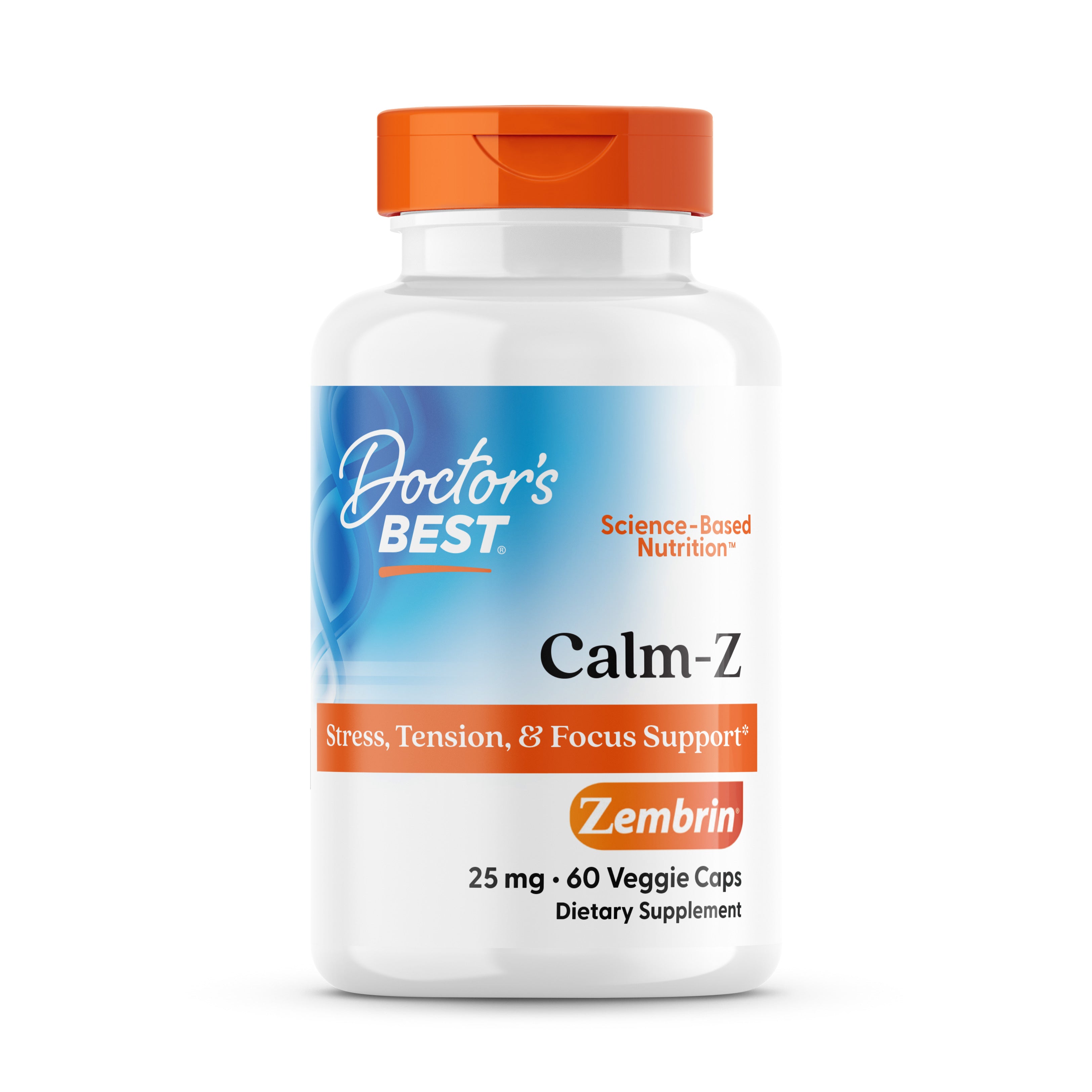
Calm-Z (Zembrin)
Doctor's Best
The one kanna extract with real published human trials behind it, at the studied 25mg dose.
Here's the honest answer up top: kanna is usually subtle, especially the first time. Most people describe a gentle mood lift, a light and clear-headed calm, the anxious edge taking a half-step back, and feeling a little more open and social, not a strong, obvious 'high.' It is not like cannabis, and it is not a psychedelic. So if your first time feels understated, that's normal, and honestly it's a good sign you're doing it right. Kanna rewards low expectations and a low dose.
We say that because the internet tends to oversell every plant, and an oversold first experience usually ends one of two ways: either you're let down, or you keep taking more to chase a bigger feeling and end up nauseous and jittery instead. Neither is the kanna most longtime users actually love. The real thing is quiet, a softening, a lightness, a bit more ease in your own skin, and it's the kind of effect you often notice more by its absence the next time you skip it.
So this guide sets your expectations honestly and walks you through a calm, sensible first session: what kanna actually feels like, what it is not, how to take your first dose right, how long to wait, what to do if you feel nothing (or too much), and the one safety rule to settle before you start. A bit of housekeeping first, this is general information from a kanna publication that cares, not medical advice, and we're writers, not doctors. Kanna is for adults. If you take any medication, read the safety section before you read anything else.
The short version
- Expect subtle. The first time is usually a gentle mood lift, a light clear-headed calm, less edge, and feeling a bit more social, not a strong intoxication. Subtle is normal and a sign you're doing it right.
- It's not weed and it's not a psychedelic. No hallucinations, no heavy 'stoned' feeling, no trip. Set expectations low so you aren't disappointed and don't overdo it.
- Choose a predictable format for your first time, a standardized capsule (like Zembrin) or a pre-dosed gummy, over raw powder or a concentrate you measure by eye.
- Start low and wait. A low dose (around 8 to 12.5 mg standardized, or half a gummy), on a not-totally-empty stomach if you're prone to nausea, and a full 45 minutes before you even think about more.
- Onset is roughly 15 to 40 minutes for a sublingual tincture and 30 to 60 minutes for capsules, gummies, or powder. Effects generally last about 1 to 2 hours.
- The non-negotiable rule: kanna raises serotonin like an SSRI. Never combine it with antidepressants (SSRIs/SNRIs/MAOIs) or other serotonergic meds without a doctor, and avoid kanna in pregnancy.
What kanna actually feels like (set expectations low)
Let's describe the real thing, not the hype. For most people, a sensible first dose of kanna feels like a gentle mood lift, a small brightening, like a knot loosening slightly. There's often a calm-but-clear focus: relaxed without feeling fuzzy or sleepy, which is a big part of why people reach for it during the day. Many notice the anxious edge softening, a sense of being a little less braced against everything. And at the more noticeable end, usually a bit higher than a first-timer should aim for, people describe a mildly euphoric, empathogenic quality: more talkative, more connected, more at ease around other people.
The key word in all of that is gentle. Kanna is not a substance that grabs you by the collar. A lot of first-timers, especially on a low dose or a low-mesembrine standardized product like Zembrin, feel only a little, and that is completely expected and by design. It's not broken, and you're not 'immune.' Subtlety is the feature. The people who get the most out of kanna are usually the ones who stopped waiting for a dramatic wave and started noticing the quiet one.
What it is NOT (not weed, not a psychedelic)
Half of a good first experience is knowing what not to expect, so you don't spend the session waiting for something that was never coming. Kanna is not cannabis, there's no heavy 'stoned' body load, no couch-lock, no munchies, no time distortion. It's not a psychedelic, no visuals, no hallucinations, no ego dissolution, no trip to ride out. And it's not alcohol, it doesn't slur or sedate you into a different person.
If anything, kanna sits in a quieter category of its own: closer to 'the volume on my stress turned down a notch and I feel a bit more like myself' than to any classic high. People who go in expecting a cannabis-style or psychedelic-style experience are almost always underwhelmed, not because kanna failed, but because they were measuring it against the wrong yardstick.
This matters for safety too. When someone expects a big effect and doesn't get one, the temptation is to keep redosing to force it. That's the single most common way a pleasant first session turns into nausea and a wired, jittery feeling. Knowing kanna is supposed to be subtle is what keeps you from overshooting in pursuit of a feeling it was never going to give.
How to take your first dose right
A good first time is mostly about setup. Here's the whole playbook:
- Pick a predictable format. For your first time, use a standardized capsule (Zembrin-based products are the common one) or a pre-dosed gummy. These give you a known, fixed dose. Raw powder and concentrates are easy to misjudge by eye, which is how first-timers accidentally take too much.
- Start low. Think around 8 to 12.5 mg of a standardized extract, or half a gummy. You can always take a little more next time; you can't un-take too much. Low-and-pleasant beats high-and-nauseous every time.
- Mind your stomach. Nausea is the most common first-time side effect, almost always from too much. If you're prone to it, take your dose on a not-totally-empty stomach, a small snack, not a full meal.
- Pick a calm window. Have your first session somewhere relaxed with nothing you need to drive to and nowhere you need to be. Treat it like a low-key trial run, not an event.
- Then wait, really wait. Give it a full 45 minutes before you consider anything more. Most overshoots are just impatience: 'I didn't feel it, so I took more,' right before the first dose actually lands.
If you want a starting number for your exact product, our free kanna dosage calculator gives you a sensible first dose by format, and the full dosage guide covers finding your number safely.
Onset and how long it lasts
Kanna isn't instant, and knowing its timing keeps you from redosing too soon. Roughly:
Tinctures (held under the tongue) come on the fastest, usually around 15 to 40 minutes, because the alkaloids absorb sublingually. Capsules, gummies, and powder have to go through your stomach first, so they're a bit slower, generally 30 to 60 minutes.
Once it's working, the effects are fairly short-lived, most people feel them for about one to two hours before they ease off. That short arc is part of kanna's character: it's a gentle visit, not an all-day commitment, and it clears reasonably quickly.
If you feel nothing, or too much
If you feel nothing (or almost nothing): first, don't panic and don't pile on more. A near-imperceptible first time is genuinely common, especially on a low or low-mesembrine dose, kanna is subtle, and some people simply need a session or two to learn to notice it. The move is patience, not pursuit. Finish the session as-is, and next time consider a modest step up (for example, a slightly higher capsule dose or a full gummy instead of half), giving each dose the full 45 minutes. Nudging up gradually across separate sessions is how you find your number without overshooting it. Some people also find a standardized extract more noticeable than raw powder, simply because the dose is consistent.
If you feel too much: the usual signs are nausea (by far the most common), a headache, or a jittery, wired, overstimulated feeling, basically kanna's mild side effects turned up. The good news is that for most people this is unpleasant, not dangerous, and it passes within a couple of hours. Stop taking more, get somewhere calm, sip water, try ginger for the nausea, breathe slowly, and let it pass. Don't drive. Our full guide on taking too much kanna walks through exactly what to do, and the one situation that deserves more caution is covered in the safety rule below.
The one safety rule before your first dose
If you read nothing else here, read this. The active alkaloids in kanna inhibit serotonin reuptake, mechanically, kanna behaves a lot like an SSRI antidepressant. That's harmless and even helpful on its own, but it becomes the one genuine risk when kanna is stacked on top of another serotonin-raising drug. Combining kanna with an SSRI or SNRI antidepressant, an MAOI, tramadol, a triptan, dextromethorphan (DXM), St John's Wort, or 5-HTP can push serotonin too high, the setup for a problem called serotonin syndrome.
So the non-negotiable, do-this-before-your-first-dose rule is simple: if you take any antidepressant or other serotonergic medication, do not try kanna on your own, ask the prescriber or pharmacist who manages your meds first. Documented cases from kanna are essentially absent, so this is a sensible precaution based on how kanna works, not a record of disasters, but it's one every careful source agrees on, and it's worth a free two-minute conversation. Our full guide on kanna and antidepressants covers the whole picture.
Two more quick ones: avoid kanna in pregnancy (there's no safety data, so the responsible default is to skip it), and keep it to adults. Settle this section before you measure your first dose, and the rest of your first time is just a calm, gentle experiment.
Questions, answered
What does kanna feel like the first time?
Usually subtle. Most first-timers describe a gentle mood lift, a light clear-headed calm, the anxious edge softening, and feeling a bit more open or social, not a strong 'high.' At higher doses some people notice a mildly euphoric, more talkative, empathogenic quality, but a sensible first dose is meant to be understated. If it feels quiet, that's normal and a sign you took a smart amount. Kanna is not cannabis and not a psychedelic, so don't expect anything dramatic.
How much kanna should I take my first time?
Start low and use a predictable format. A good first dose is around 8 to 12.5 mg of a standardized extract (like Zembrin), or half a pre-dosed gummy. Avoid measuring raw powder or concentrates by eye your first time, since that's the most common way people accidentally take too much. Take it on a not-totally-empty stomach if you're prone to nausea, then wait a full 45 minutes before considering any more. You can always go up gradually in later sessions.
Why didn't I feel anything from kanna?
That's genuinely common, especially on a low dose or a low-mesembrine standardized product, kanna is subtle, and some people need a session or two to learn to notice it. Don't fix it by quickly redosing; that's how a pleasant first time turns into nausea. Instead, finish the session and next time try a modest step up (a slightly higher capsule dose, or a full gummy instead of half), giving each dose a full 45 minutes. A standardized extract is also often more noticeable than raw powder because the dose is consistent.
How long until kanna kicks in?
It depends on the format. A sublingual tincture held under the tongue comes on fastest, roughly 15 to 40 minutes. Capsules, gummies, and powder go through your stomach first, so they're a bit slower, generally 30 to 60 minutes. Once it's working, effects usually last about one to two hours and then ease off. The 45-minute wait before redosing matters because taking more too early stacks the second dose right as the first one lands.
Is kanna safe to try?
For most healthy adults, a low dose of kanna is generally well-tolerated, with the most common side effect being mild nausea if you take too much. The one real safety rule is about combinations: kanna raises serotonin like an SSRI, so you should never mix it with antidepressants (SSRIs, SNRIs, MAOIs) or other serotonergic drugs like tramadol, triptans, DXM, St John's Wort, or 5-HTP without a doctor's okay. Avoid kanna in pregnancy, keep it to adults, and remember this is general information, not medical advice, we're writers, not doctors.
Keep reading
Kanna Dosage Calculator (free tool)
Pick your format and get a sensible first-time starting dose with the safety rule built in.
Kanna Dosage Guide
How much kanna to take by format, and how to find your number safely.
How to Take Kanna
Formats, timing, and getting your first dose right.
Took Too Much Kanna? Here's What to Do
The calm, honest guide to what too much kanna feels like and what to do about it.
Kanna and Antidepressants (SSRIs)
The one combination to settle before your first dose, and what to do about it.