Our Pick: Doctor's Best
Check price →Kanna Legal Status by State and Country (2026 Reference)
A quick-reference on where kanna is legal. Federally uncontrolled in the US, legal in most of the world as a botanical supplement, with the handful of nuances worth knowing before you buy.
By Justin Park · 9 min · Updated 2026-07-01
★ Top-Rated Kanna Right Now
Best Overall
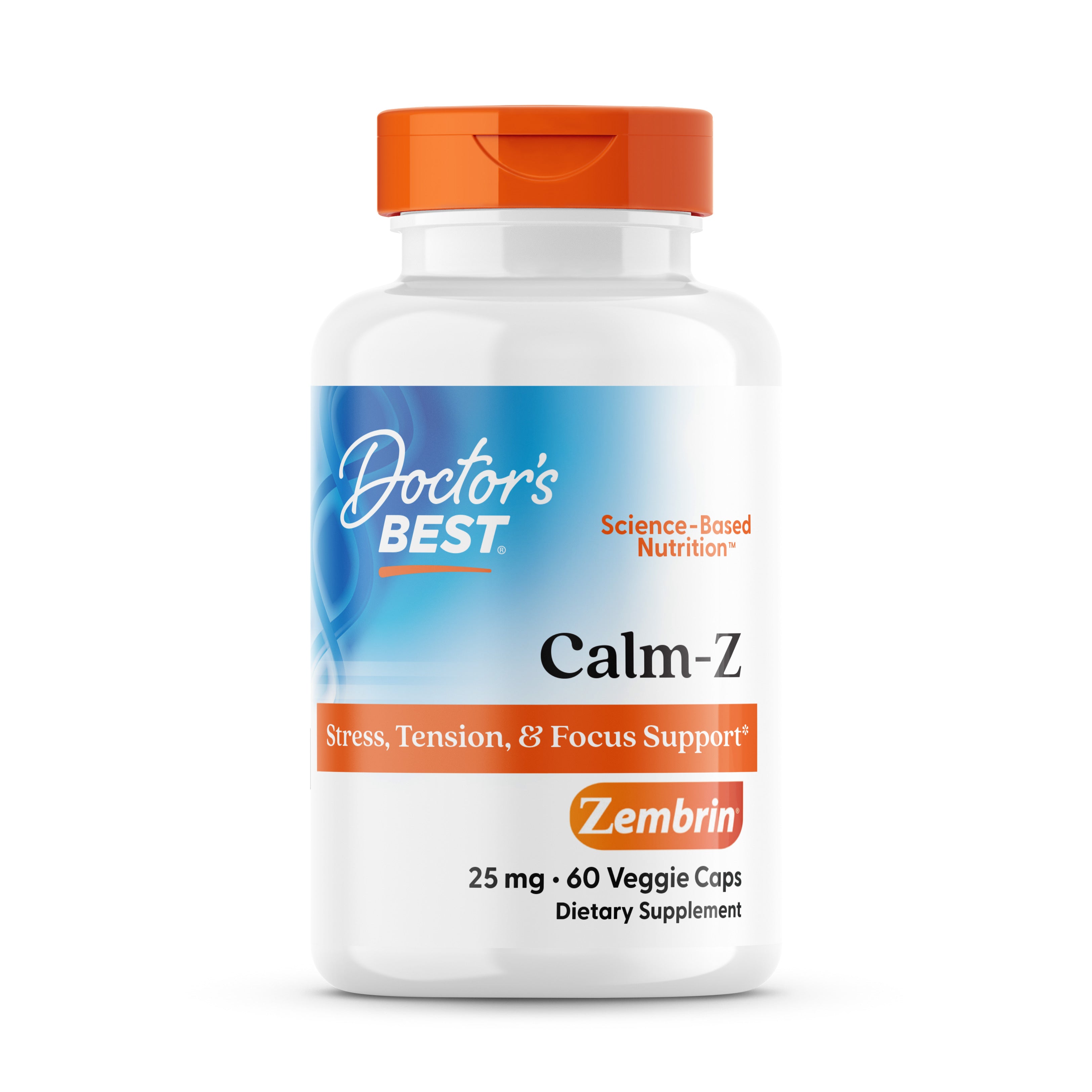
Calm-Z (Zembrin)
Doctor's Best
The one kanna extract with real published human trials behind it, at the studied 25mg dose.
Kanna (Sceletium tortuosum) is federally legal and uncontrolled in the United States, and it is legal in most of the world as a botanical or dietary supplement. It is not a scheduled or controlled substance under US federal law, and it is not listed under the United Nations drug conventions.
This page is a plain reference: a state-by-state look for the US and a country-by-country starting point for the rest of the world. It is general information, not legal advice, laws change, and you should confirm the current rules in your own jurisdiction before you rely on anything here. For the fuller yes-or-no explainer, see our parent guide, Is Kanna Legal.
The short version
- Kanna is federally uncontrolled in the US; as of 2026 it is not a DEA-scheduled substance and is sold as a botanical dietary supplement.
- As of 2026, no US state specifically schedules or bans kanna; the one recurring nuance is Louisiana, where it is commonly sold as an ornamental plant.
- Kanna is not FDA-approved to treat, cure, or prevent any condition, and it is not UN-scheduled internationally.
- Internationally it is legal as a supplement in most countries, but novel-food or supplement rules may apply in places like the EU, Canada, and Australia.
- South Africa, kanna's native range, has bio-trade and heritage rules around wild harvest and benefit-sharing rather than a consumer ban.
- This is a reference, not legal advice, verify your own state or country's current statute before buying.
The short answer: where is kanna legal?
As of 2026, kanna is federally uncontrolled in the United States and legal to buy, sell, and possess as a botanical dietary supplement. It is not on the US Controlled Substances Act schedules, it is not DEA-scheduled, and it is not listed under the United Nations drug conventions, so it is legal in most countries too.
"Legal," though, is not the same as "FDA-approved." Kanna is sold under the supplement framework, which means it has not gone through the FDA's drug-approval process for any condition. Kanna's effects have not been evaluated by the FDA, and it is not intended to diagnose, treat, cure, or prevent any disease. The tables below are a starting point, not a substitute for checking your own current local law.
Is kanna legal in [state]? The US state-by-state reference
There is no federal ban, and as of 2026 no US state specifically schedules or outlaws kanna. In practice that means it is treated the same way in most states: sold openly as a botanical supplement, with no statute singling it out. The one nuance you will see cited repeatedly is Louisiana, where kanna is commonly sold as an ornamental plant rather than for consumption.
| Jurisdiction | Status (as of 2026) | Notes |
|---|---|---|
| Federal (US) | Legal / uncontrolled | Not DEA-scheduled; sold as a botanical dietary supplement. Not FDA-approved to treat any condition. |
| Alabama through Wyoming (48 states + DC) | No specific restriction | As of 2026, these states have no statute that specifically schedules or bans kanna; it is sold as a supplement. |
| Hawaii and Alaska | No specific restriction | As of 2026, no kanna-specific statute; sold as a supplement like the other states. |
| Louisiana | Commonly sold as ornamental | Frequently cited under a state ornamental-plant law that restricts certain plants to ornamental (non-consumption) purposes; kanna is commonly cited and sold as ornamental there. We flag this as commonly reported, not a criminal claim, verify the current statute. |
Because state supplement and novel-ingredient rules can shift, the safest move in any state is to confirm your own current position rather than assuming the national picture applies to you. If you are searching "is kanna legal in" your specific state, the honest answer as of 2026 is that there is no kanna-specific ban to find, but always verify.
Kanna legality by country: the international reference
Kanna is legal in most countries and is not scheduled under the United Nations drug conventions, which is part of why it trades freely as a botanical in many markets. The wrinkle abroad is usually not prohibition but classification: whether a country treats kanna as a supplement, a novel food, or an unregulated botanical, and what paperwork a seller needs. Country-by-country documentation is thin and inconsistent, so the table below is a starting point to verify, not a final legal determination.
| Region / Country | Status (as of 2026) | Notes |
|---|---|---|
| Not UN-scheduled | Uncontrolled internationally | Kanna does not appear on the UN drug-convention schedules, so there is no international treaty ban. |
| United States | Legal / uncontrolled | Sold as a botanical dietary supplement; see the US table above. |
| European Union | Supplement, novel-food rules may apply | As of 2026, kanna is not specifically banned EU-wide, but novel-food regulation may govern whether and how it can be sold as a food/supplement; rules vary by member state, verify locally. |
| Canada | Regulated as a supplement / natural product | As of 2026, natural health product rules may require licensing for a marketed supplement; not a consumer ban, but availability and labeling depend on those rules. |
| Australia | Supplement/therapeutic-goods rules may apply | As of 2026, kanna is not specifically scheduled as a prohibited plant, but supplement and therapeutic-goods rules may govern how it is sold; verify current status locally. |
| United Kingdom | Generally sold as a botanical | As of 2026, kanna is not specifically scheduled; it is generally sold as a botanical, with food/supplement rules applying to marketed products. |
| South Africa (native range) | Legal, with bio-trade/heritage rules | Kanna is native and traditionally used here; as of 2026 the notable rules are bio-trade, heritage, and benefit-sharing regulations around wild harvest and export, not a consumer ban. |
If you are outside the US, treat "legal in most countries" as the headline and the classification details as the fine print. The specifics, whether kanna is sold as a supplement, a novel food, or simply unregulated, vary, are not always well recorded, and can change, so verify your own jurisdiction's current rules before buying or importing.
Why the Louisiana and novel-food nuances exist
Two patterns explain almost every kanna legal nuance. The first is ornamental-plant law: some jurisdictions, Louisiana being the one commonly cited for kanna, restrict certain listed plants to ornamental (non-consumption) purposes rather than banning possession outright. That is why kanna is commonly sold as ornamental in Louisiana instead of as a consumable supplement. We phrase this as commonly reported because the record is not a clean criminal statute, verify the current text before relying on it.
The second is the novel-food and supplement framework common outside the US. In the EU, Canada, and Australia, the question is often not "is kanna banned" but "has kanna been approved or licensed to be sold as a food or supplement," which is a regulatory-classification question that varies by country and changes over time. Neither pattern is a drug-scheduling ban; both are about how a botanical may be marketed.
What this reference does and does not tell you
This page tells you, at a glance, that as of 2026 kanna is federally legal in the US, not specifically banned in any US state, and legal in most countries as a botanical, with the ornamental (Louisiana) and novel-food (EU/Canada/Australia) nuances flagged. It does not give you a statute number, a criminal-law opinion, or a guarantee for your specific situation, and we will not invent any of those.
One safety point travels with every kanna purchase regardless of where you live, and it matters more than the legal question for most people: kanna raises serotonin much like an SSRI, so it should not be combined with SSRIs, SNRIs, MAOIs, or other serotonergic medications without medical advice, and it should be avoided in pregnancy. That is a health precaution based on how kanna works, not a legal one. None of this is legal or medical advice, verify your local law and talk to a professional about your own circumstances.
How we chose
This is a plain-language reference to the legal landscape as commonly documented as of 2026, not a legal opinion. Statutes, novel-food determinations, and enforcement priorities change; nothing here substitutes for checking your own jurisdiction's current law or asking a licensed attorney.
We deliberately avoid citing specific statute numbers or asserting hard criminal-law conclusions for individual states or countries. Where the record is thin or contested, as with Louisiana and most non-US jurisdictions, we frame it as commonly reported and tell you to verify, rather than implying a certainty that does not exist.
Questions, answered
Is kanna legal in all 50 US states?
As of 2026, no US state specifically schedules or bans kanna, so in practice it is legal to buy as a supplement across all 50 states. The one recurring nuance is Louisiana, where kanna is commonly sold as an ornamental plant rather than for consumption. Verify your own state's current statute, as this is a reference, not legal advice.
Is kanna legal in my state specifically?
As of 2026 there is no kanna-specific ban in any US state, so if you are searching for your particular state the honest answer is that there is no state-level prohibition on record. Louisiana is the exception worth noting because of an ornamental-plant law commonly cited for kanna. Always confirm your state's current rules before relying on this.
Which countries is kanna legal in?
Kanna is legal in most countries and is not scheduled under the UN drug conventions. As of 2026, places like the EU, Canada, and Australia may apply novel-food or supplement rules that affect how it is sold, and South Africa has bio-trade and heritage rules around wild harvest rather than a consumer ban. Country documentation is thin, so verify your own jurisdiction.
Is kanna a controlled or scheduled substance?
No. As of 2026, kanna (Sceletium tortuosum) is not a controlled substance under US federal law and is not listed under the UN drug conventions. It is a succulent plant sold as a botanical dietary supplement, not a scheduled drug.
Is kanna FDA-approved?
No. Kanna is sold as a botanical supplement, which means it has not gone through the FDA's drug-approval process and is not approved to diagnose, treat, cure, or prevent any disease.
Is this list legal advice?
No. This is a plain-language reference to the commonly documented legal landscape as of 2026, not a legal opinion. Laws change, and we deliberately avoid citing statute numbers or making hard criminal-law claims. Verify the current rules in your own state or country before you rely on anything here.
Keep reading
Is Kanna Legal?
The parent explainer: the direct yes-or-no on kanna's legal status, the FDA distinction, and the state nuance.
What Is Kanna?
The plant, its history, and how it actually works, a plain-language primer.
Kanna on Amazon
What you can and can't find on Amazon, and how to buy quality kanna online.
Where to Buy Kanna
Where kanna is sold, what to look for, and how to shop for disclosed potency.
Sceletium Tortuosum
The botanical profile behind the name, the succulent that kanna comes from.