Our Pick: Doctor's Best
Check price →Kanna for Weight Loss: Does It Suppress Appetite? (2026)
The honest answer is no. Kanna is not a weight-loss supplement, and no human study shows it causes weight loss. Here is why the question comes up, what the appetite talk actually amounts to, and what kanna is genuinely useful for instead.
By Justin Park · 9 min · Updated 2026-07-01
★ Top-Rated Kanna Right Now
Best Overall
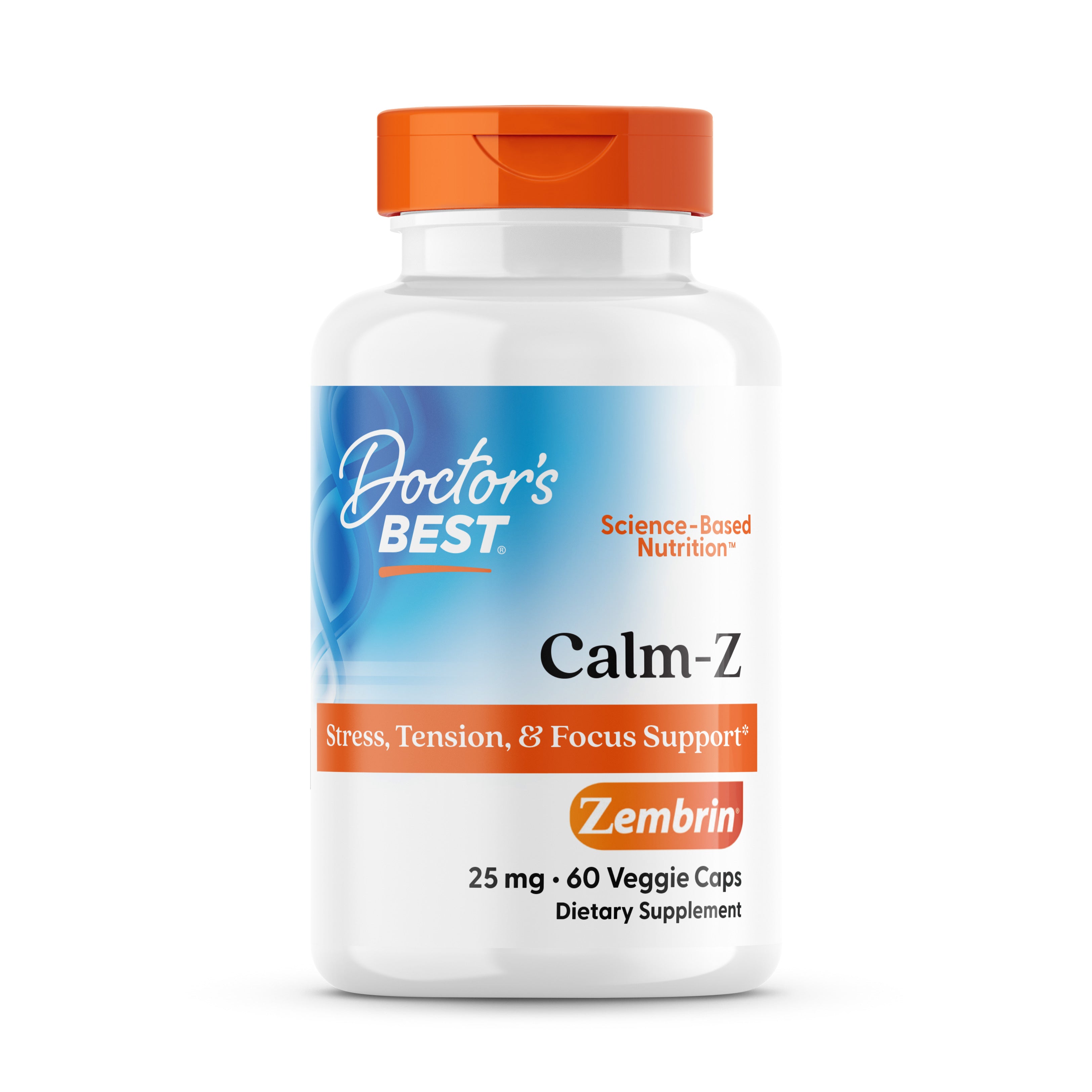
Calm-Z (Zembrin)
Doctor's Best
The one kanna extract with real published human trials behind it, at the studied 25mg dose.
The honest answer up front: kanna is not a weight-loss supplement, and there is no evidence that it causes weight loss. No human trial has shown kanna reduces body weight, and the one placebo-controlled study that actually measured weight found no significant change at all. If you came here hoping kanna is a natural appetite suppressant or fat burner, the accurate thing we can tell you is that it is not, and nothing here is medical advice.
So why is the question everywhere? Two reasons. A handful of users report a mild dip in appetite after a dose, usually at higher amounts, and kanna is serotonergic, the same broad system that some older prescription appetite-suppressant drugs acted on. That makes the leap to "kanna helps you lose weight" feel plausible. But plausible is not proven, and in kanna's case the actual data point the other way: the appetite anecdote is unverified, it is not a reason to take kanna, and the same serotonergic mechanism is why kanna carries a real drug-interaction caution around weight and mood medications.
The short version
- No, kanna is not a weight-loss supplement. There is no human evidence that kanna causes weight loss, and no trial has ever shown a reduction in body weight.
- The one study that measured weight found nothing. In Nell et al. 2013 (a 3-month placebo-controlled trial in 37 adults), standardized kanna produced no significant change in weight versus placebo, alongside no changes in vitals or blood chemistry.
- Why people ask: some users report a mild appetite dip, and kanna is serotonergic (Harvey 2011), the system older appetite-suppressant drugs targeted. That makes the idea sound plausible, but it is not evidence of weight loss.
- Any appetite change is anecdotal and unproven. Mild appetite loss shows up as a minor side effect at higher doses, not a benefit, and it is not a reason to take kanna.
- Do not stack kanna with serotonergic weight or mood drugs. Kanna raises serotonin like an SSRI, so combining it with serotonergic diet, antidepressant, or migraine medications needs a clinician's okay. For real weight management, talk to a doctor, not a botanical.
Does kanna cause weight loss? The honest, evidence-first answer
The direct answer is no. Kanna is not a weight-loss supplement, it is not a fat burner, and there is no human research showing it reduces body weight. It is a serotonergic botanical people use for mood and calm, and marketing it as a slimming aid would go far past anything the evidence supports. We built this site specifically to not do that.
The strongest thing we can say is what the one relevant study found, and it is the opposite of a weight-loss claim. When researchers actually measured body weight in a controlled kanna trial, it did not change. There is no dose-ranging weight study, no appetite-outcome trial, and no before-and-after data behind the "kanna for weight loss" search term. What is behind it is a mild, inconsistent appetite anecdote and a plausible-sounding mechanism story, and neither of those is proof.
What the one study that measured weight actually found (Nell 2013)
This is the single most important piece of evidence on the page, and it is worth stating plainly because it settles the core question. In Nell et al. 2013 (Journal of Alternative and Complementary Medicine), a 3-month randomized, placebo-controlled trial in 37 healthy adults, participants took 8mg or 25mg of a standardized kanna extract daily. The study tracked safety measures including vitals, ECG, blood chemistry, and body weight.
In a 3-month placebo-controlled trial of standardized kanna in 37 adults, there was no significant change in body weight versus placebo. That is the closest thing to a direct test of the weight-loss idea that exists, and it came back negative. The trial was designed to check safety, not to promote weight loss, and the fact that weight held steady is actually reassuring on the safety side. But it also means anyone claiming kanna slims you down is contradicting the one dataset that measured it.
The honest caveats cut against the myth, not for it: n=37 is small, three months is short, and this was one standardized extract rather than the raw plant or the concentrates sold online. None of that turns a null result into a hidden weight-loss effect. It simply confirms there is no signal to build a claim on.
Why people think kanna suppresses appetite (and why that is not evidence)
Two things drive the "does kanna suppress appetite" question, and both are worth taking apart honestly. The first is anecdote: a subset of users say they feel a little less hungry after a dose, most often at higher amounts. In the side-effect literature, mild appetite loss shows up as a minor, dose-related side effect, not a designed benefit, and it sits right next to headache and nausea on the list of things that can happen when you take too much. Feeling slightly less like eating is not the same as losing weight, and a side effect is a strange thing to go chasing on purpose.
The second driver is mechanism. Kanna is a serotonin-reuptake inhibitor (Harvey et al. 2011), and serotonin activity is loosely tied to appetite regulation. Some older prescription appetite-suppressant drugs acted on serotonin pathways, so on paper kanna looks like it is in a related neighborhood. But that logic is exactly the trap. Serotonin touching appetite in general does not mean kanna, at the doses people use, meaningfully reduces intake or body weight, and the one trial that checked weight said it did not.
The safety rule that matters most here: serotonergic weight and mood drugs
This is the paragraph to not skip, and it matters especially for a weight-loss audience. Because kanna raises serotonin the way an SSRI does, it must not be combined with SSRIs, SNRIs, MAOIs, or other serotonergic medications without medical advice. That includes several drugs relevant to exactly this topic: serotonergic prescription weight or appetite medications, antidepressants that many people are already taking, and even some migraine and supplement combinations. Stacking two serotonergic agents is the scenario worth being genuinely conservative about, and it is a live risk precisely because people seeking weight loss are often already on one of these.
To be accurate and not alarmist: documented serotonin-syndrome cases from kanna are essentially absent in the literature, and the 3-month trial in 37 adults (Nell et al. 2013) found 8mg and 25mg daily doses were well-tolerated with no significant changes in vitals, ECG, blood chemistry, or weight. The caution is a precaution based on how kanna works, not a report of widespread harm. It is also generally advised to avoid kanna in pregnancy. If weight management is your actual goal, the right move is a conversation with a clinician about evidence-based options, not a serotonergic botanical taken on a hunch.
These statements have not been evaluated by the Food and Drug Administration. Kanna is not intended to diagnose, treat, cure, or prevent any disease, and it is not intended for weight loss or appetite suppression.
What kanna is actually good for (and where to go from here)
None of this means kanna is useless. It just means weight loss is the wrong reason to reach for it. What some people genuinely value kanna for is everyday mood and calm, a mild, short-lived lift or an easing of tension, which is the lane the small human research and the long traditional-use record actually sit in. If that is what you are after, our kanna benefits guide lays out what is reasonable to expect and what is overstated, and how kanna works explains the serotonin and PDE4 mechanism in plain terms.
If you are weighing kanna despite the appetite anecdote, it is worth reading the honest downsides first: our kanna side effects guide covers appetite loss, nausea, and the higher-dose issues in context, so you can see that a dip in hunger is a side effect to be aware of, not a feature to exploit. People whose real interest is mood are usually better served by the best kanna for mood options, and if calm under pressure is the goal, our kanna for anxiety explainer is the honest, evidence-first place to start.
For actual weight management, the useful advice is boring and true: talk to a doctor or a registered dietitian about approaches with real evidence behind them. We do not run clinical trials, and we are not going to dress up a serotonergic mood botanical as a slimming aid. Kanna is a supplement for everyday mood and calm, not a weight-loss tool, and pretending otherwise would be the exact thing this site exists to avoid.
Questions, answered
Does kanna cause weight loss?
No. Kanna is not a weight-loss supplement, and there is no human evidence that it causes weight loss. The one placebo-controlled study that measured body weight, Nell et al. 2013 (a 3-month trial in 37 adults), found no significant change in weight versus placebo. Any appetite dip some users report is an unproven, minor side effect, not a benefit, and kanna is not a substitute for real weight management. Talk to a clinician about evidence-based options.
Does kanna suppress appetite?
Not reliably, and not as a designed effect. A subset of users report mild appetite loss after a dose, usually at higher amounts, and in the research it shows up as a minor, dose-related side effect that sits alongside headache and nausea, not as an appetite-suppressant benefit. There is no trial showing kanna meaningfully reduces intake or body weight, so feeling a little less hungry is anecdotal and is not a reason to take kanna.
Why do people think kanna helps with weight loss?
Two reasons. Some users notice a mild dip in appetite, and kanna is serotonergic (Harvey 2011), the same broad system that some older prescription appetite-suppressant drugs acted on. That makes the idea sound plausible on paper. But mechanistic plausibility is not evidence, and the one trial that actually measured weight (Nell 2013) found no change, so the plausibility story does not survive contact with the data.
Is it safe to take kanna with a weight-loss or diet drug?
Not without medical advice. Kanna raises serotonin much like an SSRI does, so combining it with serotonergic weight, appetite, antidepressant, or migraine medications is the main interaction to be cautious about. Documented serotonin-syndrome cases from kanna are essentially absent, but stacking two serotonergic agents is exactly the scenario to be conservative about, so ask your prescriber first. Avoid kanna in pregnancy as well. These statements have not been evaluated by the FDA, and none of this is medical advice.
If not weight loss, what is kanna actually good for?
The lane kanna genuinely sits in is everyday mood and calm, a mild, short-lived lift or an easing of tension, which is where the small human research and long traditional-use record actually point. If that is what you want, see our kanna benefits guide and best kanna for mood roundup. For weight management specifically, talk to a doctor or dietitian about approaches with real evidence, not a serotonergic mood botanical.
References
The human research on kanna is genuine but small, a handful of trials, mostly on the standardized Zembrin extract. These are the primary sources we cite, linked so you can read them yourself.
- 1.Harvey AL, Young LC, Viljoen AM, Gericke NP (2011). Pharmacological actions of the South African medicinal and functional food plant Sceletium tortuosum and its principal alkaloids. Journal of Ethnopharmacology. Identified kanna's dual mechanism, serotonin-reuptake inhibition (5-HT transporter) and PDE4 inhibition, in vitro. PubMed · DOI
- 2.Nell H, Siebert M, Chellan P, Gericke N (2013). A randomized, double-blind, parallel-group, placebo-controlled trial of Extract Sceletium tortuosum (Zembrin) in healthy adults. Journal of Alternative and Complementary Medicine. A 3-month placebo-controlled trial (n=37) found 8 mg and 25 mg/day were well-tolerated, with no significant changes in vitals or blood chemistry. PubMed · DOI
Keep reading
Kanna Benefits: What's Real and What's Overstated
The honest list of what kanna is actually reasonable to expect.
Kanna Side Effects
Appetite loss, nausea, and the higher-dose issues, in context.
How Kanna Works
The serotonin and PDE4 mechanism, in plain terms.
The Best Kanna for Mood
Standardized, transparent options if mood is your real goal.
Kanna for Anxiety: What the Research Shows
The honest, evidence-first look at kanna and everyday anxious feelings.