Our Pick: Doctor's Best
Check price →Is Kanna a Nootropic? An Honest Answer (2026)
Yes-ish, and the distinction matters. Kanna is sold and used in the nootropics world and has a real, if small, cognition signal, but it works more like a calm-and-mood botanical than a stimulant-style focus booster. Here's the honest read.
By Justin Park · 9 min · Updated 2026-07-01
★ Top-Rated Kanna Right Now
Best Overall
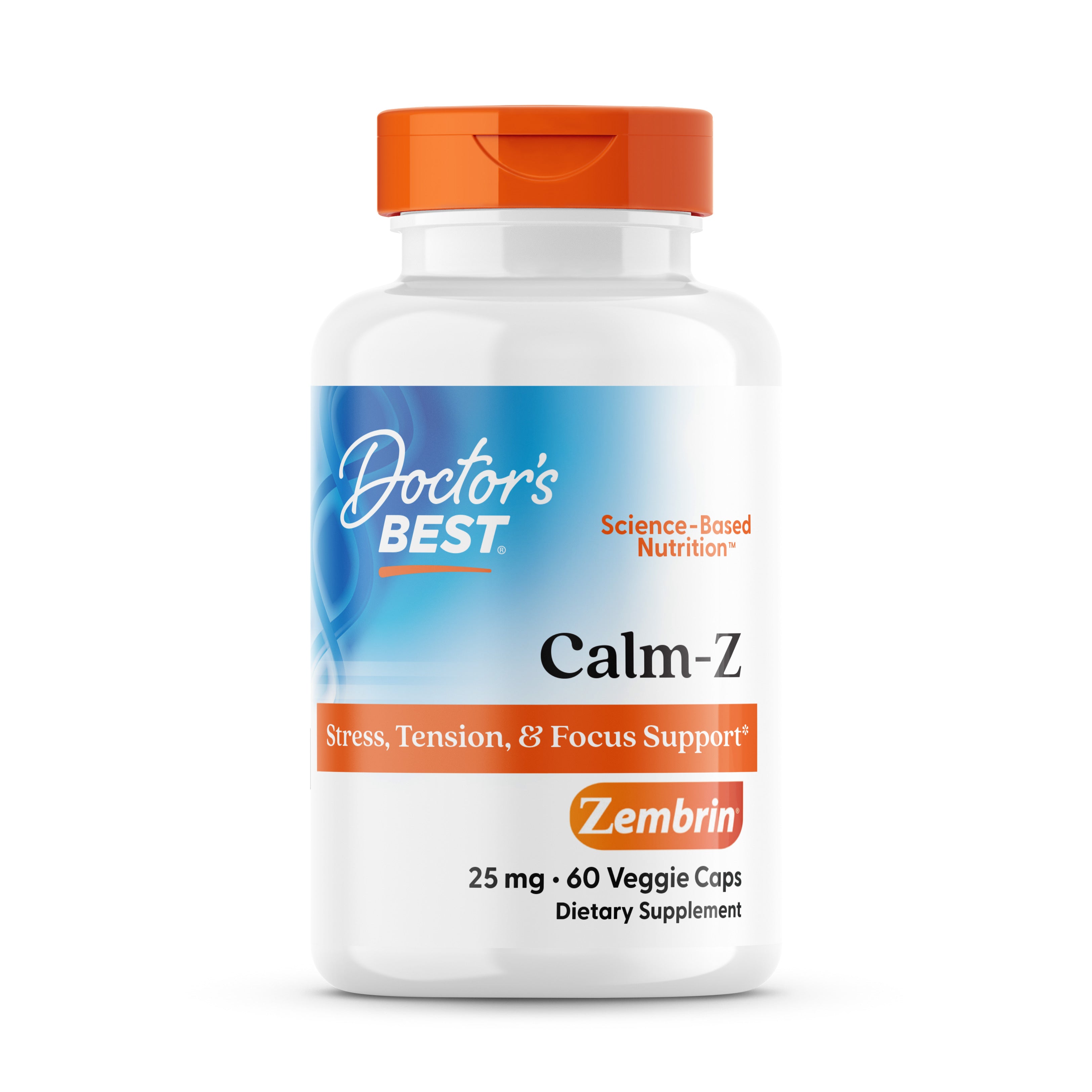
Calm-Z (Zembrin)
Doctor's Best
The one kanna extract with real published human trials behind it, at the studied 25mg dose.
Short answer: yes-ish, and the qualifier is the whole story. Kanna (Sceletium tortuosum) is genuinely sold and used inside the nootropics community, Nootropics Depot carries it, and it has one small human study showing a real cognition effect. So calling it a nootropic isn't wrong. But it's better described as an anxiolytic, mood, and empathogenic botanical whose cognitive benefit is mostly indirect: it makes many people calmer and less anxious, and a calmer head thinks more clearly. That's different from a stimulant-style focus booster that pushes attention directly.
The bottom line up front: if your definition of nootropic is broad (anything that supports how you think and feel while working), kanna fits, on the calm-focus end. If your definition is narrow (a direct cognitive enhancer with a stack of trials behind it), kanna doesn't clear that bar yet. The honest cognition evidence is a single 3-week trial (Chiu et al. 2014, n=21) that moved one narrow measure, plus a plausible mechanism. This guide draws that line clearly and then points you to the picks that actually fit the calm-focus lane.
The short version
- Yes-ish: kanna is used and sold as a nootropic (Nootropics Depot carries it) and has a real cognition signal, but it's more accurately a calm/mood/empathogenic botanical than a direct focus stimulant.
- The cognitive benefit is mostly INDIRECT: kanna lowers anxiety and settles the head, and a calmer, less-anxious mind thinks more clearly, rather than pushing attention the way caffeine or a racetam is claimed to.
- The only human cognition evidence is one small trial: 25mg/day of standardized kanna for three weeks improved cognitive flexibility and executive function versus placebo in adults 45 to 65 (Chiu et al. 2014, n=21).
- The plausible mechanism is PDE4 inhibition (Harvey et al. 2011), a recognized cognition-relevant target, driven by the alkaloid mesembrenone, alongside kanna's serotonin-reuptake action.
- Classic nootropics (caffeine, L-theanine, racetams) aim directly at attention, memory, or arousal; kanna works on mood and calm first, with cognition as a downstream effect.
- The evidence is thin and honest about it: one small, short study is not a proven cognitive enhancer, and kanna raises serotonin like an SSRI, so it must not be combined with SSRIs, SNRIs, MAOIs, or other serotonergic medications without medical advice.
The short answer: yes-ish, but with an asterisk
Ask "is kanna a nootropic?" and the honest answer is a qualified yes. It's genuinely part of the nootropics conversation, Nootropics Depot, one of the most respected names in the space, stocks a standardized kanna extract, and buyers reach for it the way they reach for L-theanine or rhodiola. And there's a real, if small, cognition signal behind it (more on that below). So the label isn't marketing fiction.
The asterisk is what kind of nootropic it is. Kanna is best described as an anxiolytic, mood, and empathogenic botanical first. Its effect on how you think is mostly a downstream consequence of how it makes you feel, calmer, less anxious, more settled, rather than a direct push on attention or working memory. That's a meaningful distinction, and it's the one most "kanna nootropic" pages skip.
What counts as a nootropic, and where kanna lands
"Nootropic" is a loose word. At its broadest it means anything that supports cognition, at its strictest it means a compound that directly and measurably enhances a specific mental faculty (attention, memory, processing speed) with a body of evidence behind it. Kanna's answer depends on which definition you're using.
| Definition of "nootropic" | Does kanna fit? |
|---|---|
| Broad: anything that supports how you think and work | Yes, on the calm-focus end |
| Community/commercial: sold and used as a nootropic | Yes (Nootropics Depot carries it) |
| Strict: a proven direct cognitive enhancer with trial depth | Not yet, one small study |
So kanna lands in the calm-focus category, alongside things like L-theanine, valued for a settled, clear headspace rather than a stimulant jolt. It is not a caffeine-style pick-me-up, and it is not a memory drug.
The direct evidence: one small study
Here's the entire human cognition case, stated plainly. In Chiu et al. 2014 (Evid Based Complement Alternat Med, n=21, 3 weeks), 25mg/day of standardized kanna improved cognitive flexibility and executive function versus placebo in adults aged 45 to 65, with participants also reporting better subjective sleep. That's it, that's the direct cognition evidence: one small, short, single-age-band trial that moved a couple of narrow measures.
Cognitive flexibility is the mental agility to switch between tasks or rules; executive function is the broader control system for planning and self-regulation. Both are real, meaningful things, and both moved. But one trial in 21 people is a signal, not a settled fact, and it's a long way from the evidence base behind a mainstream, well-studied nootropic. We call it promising and early, because that's what it is.
The mechanism: why the cognition signal is plausible
The reason the Chiu result isn't a fluke to dismiss is that there's a plausible mechanism under it. Per Harvey et al. 2011 (J Ethnopharmacol), kanna has a rare dual action: it's a serotonin-reuptake inhibitor and a PDE4 inhibitor at once. PDE4 inhibition is a recognized, cognition-relevant target, it's the mechanism a number of investigational cognitive compounds are built around, and in kanna it's driven mainly by the alkaloid mesembrenone. Mesembrine, the other headline alkaloid, is the serotonin-transporter one tied more to the mood and calm side.
So the picture is coherent: a plausible cognition-relevant mechanism, plus one small trial that found a matching effect. Coherent is good. It's still not the same as proven in large trials, and we won't pretend otherwise.
Why the benefit is mostly indirect
This is the crux. Even granting the mechanism and the study, most of what makes kanna feel useful for thinking is indirect. Kanna's most reliable, most reported effect is a reduction in stress and anxiety and a general settling of the mood, its serotonergic action is the same broad target class as an SSRI (Harvey 2011). When you're less anxious, less mentally cluttered, and less on-edge, you tend to think more clearly and work more easily. That's a real benefit. But it's a calmer-head-thinks-better benefit, not a direct attentional boost.
Contrast that with how classic nootropics are framed: caffeine directly raises arousal and alertness, L-theanine directly smooths it, racetams are claimed to act directly on memory and learning pathways. Kanna's route to "better focus" runs through mood and calm rather than around them. For a lot of people, that's exactly the kind of focus they want, present and unhurried rather than wired. But it's an honest description to call it an indirect, calm-first nootropic rather than a direct cognitive stimulant.
Kanna vs a classic nootropic, at a glance
The cleanest way to see where kanna sits is to line it up against the reference points people already know.
| Trait | Kanna | Classic nootropic (e.g. caffeine / L-theanine) |
|---|---|---|
| Primary action | Mood / calm / anxiolytic | Direct on arousal, attention, or memory |
| Route to "focus" | Indirect (calmer = clearer) | Direct |
| Mechanism | Serotonin reuptake + PDE4 (Harvey 2011) | Adenosine, glutamate, cholinergic, etc. |
| Human cognition evidence | One small trial (Chiu 2014, n=21) | Often larger, more replicated |
| Feel | Settled, present, unhurried | Alert / wired (caffeine) or smoothly alert (theanine) |
None of this makes kanna a lesser choice, it makes it a different one. If the thing standing between you and clear work is stress and mental noise, a calm-first botanical may fit better than another stimulant. If you need a direct attentional push, kanna isn't that.
The honest bottom line
Is kanna a nootropic? Yes-ish. It's used and sold as one, it has a plausible cognition-relevant mechanism (PDE4 inhibition, Harvey 2011), and it has one small human trial showing a real effect on cognitive flexibility and executive function (Chiu 2014, n=21). That's enough to earn the label in the broad, calm-focus sense.
But be precise about what you're buying: kanna is a mood-and-calm botanical whose cognitive benefit is largely indirect, not a proven, direct cognitive enhancer. The evidence is one small, short study, promising, early, and honestly thin. Set expectations at "a calmer, clearer headspace that some people find easier to work in," not "a smart drug."
Key terms
- Nootropic
- Loosely, any substance used to support cognition; strictly, a proven direct cognitive enhancer. Kanna fits the broad, calm-focus sense, not yet the strict one.
- PDE4 inhibition
- A cognition-relevant mechanism, one half of kanna's dual action (Harvey 2011), driven mainly by the alkaloid mesembrenone; the plausible basis for its clearer-headed reputation.
- Cognitive flexibility
- The mental agility to switch between tasks or rules; the narrow measure improved versus placebo in the Chiu 2014 kanna trial.
- Indirect cognitive benefit
- A clearer head that comes from lowering anxiety and mental noise (a calmer mind thinks better), rather than from directly boosting attention or memory, which is how kanna mostly works.
Questions, answered
Is kanna a nootropic?
Yes-ish. Kanna is used and sold as a nootropic (Nootropics Depot carries it) and has a real cognition signal, one small trial (Chiu et al. 2014, n=21) found 25mg/day improved cognitive flexibility versus placebo, plus a plausible PDE4 mechanism (Harvey 2011). But it's more accurately a mood and calm botanical whose cognitive benefit is mostly indirect (calmer head, clearer thinking) rather than a direct, proven cognitive enhancer. It's not a treatment for any condition.
How is kanna different from a classic nootropic like caffeine or L-theanine?
Classic nootropics tend to act directly on arousal, attention, or memory. Kanna works on mood and anxiety first, and any focus benefit comes downstream from feeling calmer and less cluttered, an indirect, calm-first route rather than a direct push. Many people find that a more comfortable kind of focus, but it's a different mechanism and a different feel.
Does kanna actually improve cognition?
The only human evidence is one small, short trial (Chiu et al. 2014, n=21) that found improved cognitive flexibility and executive function on 25mg/day over three weeks. That's a genuine but limited signal, promising and early, not proof of a broad cognitive benefit. Its plausibility rests on kanna's PDE4 activity (Harvey 2011). We don't call it a verified cognitive enhancer.
What's the nootropic dose of kanna?
The dose used in the cognition study is 25mg per day of a standardized extract, that's the figure to anchor to. Onset is roughly 15 to 45 minutes depending on format, and effects last a few hours. Because kanna is serotonergic, don't combine it with SSRIs, SNRIs, MAOIs, or other serotonergic medications without a doctor's sign-off, and this isn't medical advice.
Is kanna better than other nootropics for focus?
Not better or worse, different. Kanna suits people whose main obstacle to focus is stress and mental noise, because it works by settling that first. For a direct attentional push, a classic stimulant or a better-studied option may fit more. Kanna's evidence base for cognition is a single small study, so treat it as a calm-focus option to try, not a proven top pick.
References
The human research on kanna is genuine but small, a handful of trials, mostly on the standardized Zembrin extract. These are the primary sources we cite, linked so you can read them yourself.
- 1.Harvey AL, Young LC, Viljoen AM, Gericke NP (2011). Pharmacological actions of the South African medicinal and functional food plant Sceletium tortuosum and its principal alkaloids. Journal of Ethnopharmacology. Identified kanna's dual mechanism, serotonin-reuptake inhibition (5-HT transporter) and PDE4 inhibition, in vitro. PubMed · DOI
- 2.Chiu S, Gericke N, Farina-Woodbury M, et al. (2014). Proof-of-Concept Randomized Controlled Study of Cognition Effects of the Proprietary Extract Sceletium tortuosum (Zembrin) Targeting Phosphodiesterase-4 in Cognitively Healthy Subjects. Evidence-Based Complementary and Alternative Medicine. A 3-week randomized study (n=21) reported improved cognitive set flexibility and executive function vs placebo. PubMed · DOI
Keep reading
The Best Kanna for Focus: Calm, Clear-Headed Picks
The picks that fit the calm-focus lane, ranked on disclosed potency and cost per standardized dose.
Kanna Benefits, Honestly Assessed
Each commonly-cited benefit tied to the study behind it, with clear evidence caveats.
How Kanna Works: The Dual Mechanism
Serotonin reuptake plus PDE4 inhibition, and why that combination is unusual.
Kanna vs L-Theanine
Two calm-focus options compared, evidence depth, feel, and when each one fits.
Mesembrenone: The PDE4 Alkaloid
The alkaloid most tied to kanna's clearer-headed, cognition-relevant side.